Delta's 44-Seat First Class A321neos Fly 80% Full
Delta Air Lines is operating seven Airbus A321neos with an accidental 44-seat first class cabin, selling 80% of those seats on key domestic routes.
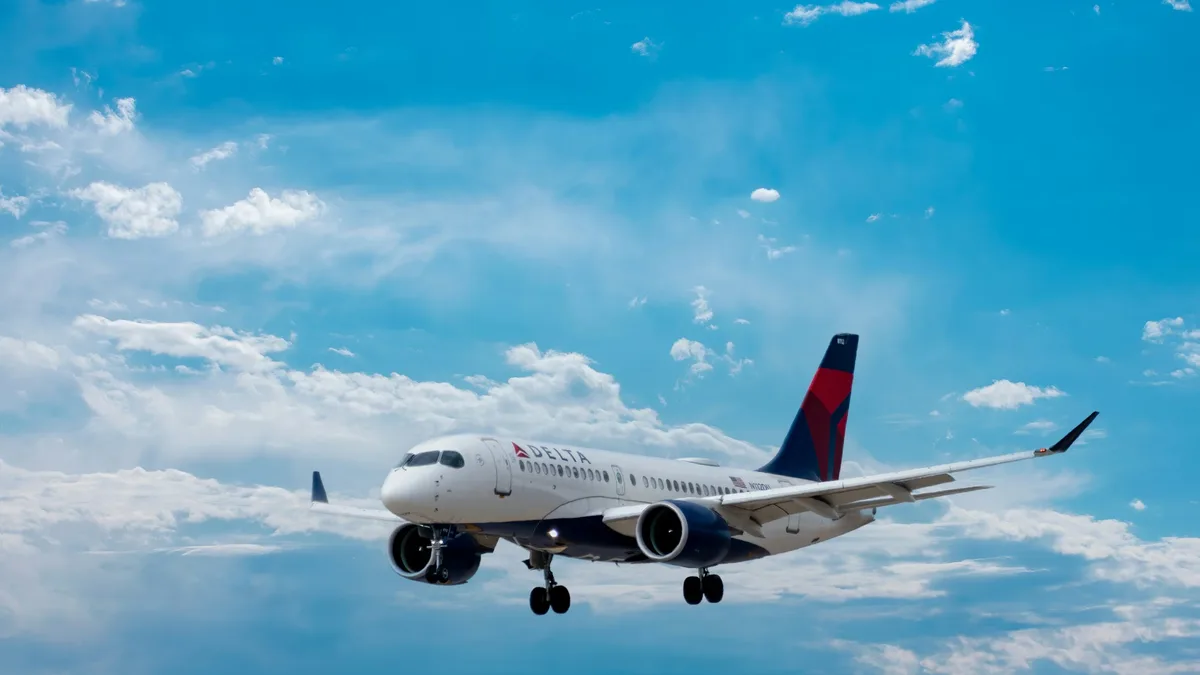
Delta Air Lines is currently flying seven Airbus A321neos with a massive 44-seat first class cabin, a layout born from a certification problem. These planes, coded '3NP', are flying about 80% full on routes from Atlanta to Los Angeles, San Francisco, San Diego, and Seattle.
The Accidental Premium Cabin
The unusual configuration resulted from certification issues with the new Safran VUE seats intended for a Delta One business class cabin. With the planes stored and costing the airline money, Delta installed extra recliners, extending what was meant to be a Premium Select section to 44 seats, which it now sells as Delta First. The full cabin layout for these temporary '3NP' aircraft is 164 seats in total.
| Cabin | Seat Count |
|---|---|
| Delta First | 44 |
| Comfort+ | 54 |
| Main Cabin | 66 |
Delta Chief Commercial Officer Joe Esposito revealed the 80% load factor for these first class seats. However, he noted this figure is below the network average of roughly 90% for first class. The routes were selected as the ones with the highest untapped premium demand, suggesting a 44-seat cabin would not be viable across the entire network.
Informing Future Fleet Layouts
The performance of these seven aircraft is directly influencing Delta's plans for new airplanes. While the 44-seat layout is unlikely to become widespread, it serves as an experiment. Esposito confirmed the results will inform future cabin configurations. He stated the 'sweet spot' for domestic first class is between 24 and 44 seats.
This shift is already visible. Delta originally planned 20 first class seats for its incoming Boeing 737 MAX 10 aircraft. It has since increased that number to 24, matching the first class cabin size on its larger Boeing 757-300s. Esposito indicated he would like to grow first class cabins even further in the future.
A Broader Industry Shift to Premium
The move reflects a permanent industry shift toward larger premium cabins, driven by strong post-COVID demand from business travelers and premium leisure customers. US airlines had largely standardized narrowbody first class cabins in the 2010s, with large narrowbodies like the Airbus A321 typically featuring 20 seats. New aircraft orders placed before the demand surge are now being updated.
All three major US carriers are adjusting. American Airlines has confirmed its Boeing 737 MAX 10s will have 24 first class seats and will add more premium seats to future and existing Airbus A321neos. United Airlines is also believed to be planning 24 first class seats for its 737 MAX 10s. The trend extends to widebody aircraft, with Delta, American, and United all increasing their counts of lie-flat business class suites on planes like the A350 and 787.
Airlines are betting that more premium capacity allows them to better meet high-margin demand while making their loyalty programs more desirable. The strategy is now being locked in with configurations for next-generation aircraft like the 737 MAX 10, which Delta and United expect to start receiving in 2027.