United Airlines bans third-party AI agents from booking flights
United Airlines has become the first major US carrier to ban third-party AI agents from booking or managing flights, citing security risks and potential violations of federal regulations.
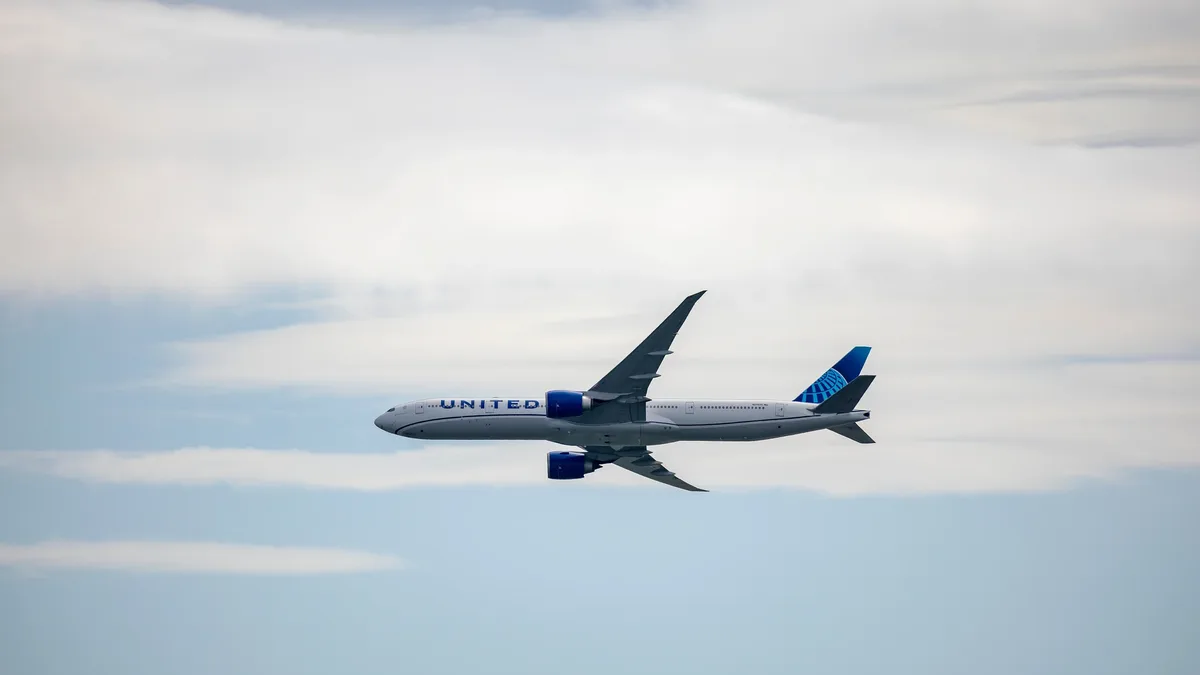
United Airlines has announced a comprehensive ban on third-party AI agents booking or managing flights across all its platforms. The restrictions, added to the airline's Contract of Carriage on Wednesday, November 11, allow United to cancel any reservation made or changed by an AI agent.
United is the first US airline to officially ban these tools from handling bookings. The policy applies to the airline's website and app, as well as through travel agencies and booking platforms. A new rule, 6.J.6, explicitly adds the use of AI agents to make, modify, or service a ticket to its list of prohibited practices.
The airline defines AI agents broadly, covering AI assistants, standalone agents, and AI-enabled browsers. The ban applies even if a passenger is overseeing the agent or approves its actions. In practice, AI tools are still permitted to search fares and show availability. An assistant can find a flight, but the user must finish the purchase themselves.
Why United acted
United cites security risks, the potential for unintended purchases, and the risk of violating federal regulations as the primary reasons for the ban. The airline states that sharing account login details with third-party AI assistants could put sensitive MileagePlus information at risk.
United warns that actions taken by AI tools "may result in unintended purchases, account changes, or use of MileagePlus miles." The airline also questions if automated AI actions could break Federal Aviation Administration and Department of Transportation rules. A specific concern involves check-in, where federal rules require a human to confirm that checked bags do not contain banned items like explosives; an AI agent cannot legally make that declaration.
Rule 5.H gives United the right to cancel reservations made or managed by AI agents without notice. The policy also aims to control costs, as a surge in automated searches from AI bots costs airlines money without guaranteeing bookings.
Industry reaction and context
United's move positions it as a pioneer, with other carriers watching closely. Delta Air Lines was reported last month to be blocking similar tools, though it allows authenticated AI assistants to complete bookings with extra safeguards. Southwest launched a ChatGPT plugin earlier this year for flight searches inside the chatbot.
Analysts say United is sending a clear message that it wants to keep bookings as in-house as possible. Henry Harteveldt, an aviation analyst at Atmosphere Research Group, said the action is seen as potentially protecting the airline's dynamic pricing and upsell strategies. The decision comes amid airlines' long history of fighting online travel agencies for control over fare display and sales.
United CEO Scott Kirby underscored this stance, stating, "To be honest, I don't want to create another middleman." The policy lands just ahead of the holiday travel season. Other airlines may follow United's lead or attempt to win the business United is turning away, even as they continue to invest heavily in their own AI for ticket sales.
Readers will see that United's policy allows AI tools to search for fares and show availability, but the user must complete the purchase themselves.