Nationwide FAA Ground Stop Halts All Departing U.S. Flights
A nationwide FAA ground stop halted all departing flights across the United States for over four hours due to a communication system failure, stranding tens of thousands of passengers and causing thousands of cancellations.
The Federal Aviation Administration issued a nationwide ground stop at 3:54 p.m. ET on Friday, halting all departing flights across the United States for over four hours. The unprecedented order, citing 'extraordinary circumstances and for reasons of safety,' was caused by an unexplained communication system failure. It stranded tens of thousands of passengers and led to the cancellation of thousands of flights.
Transportation Secretary Sean Duffy stated, "The FAA issued a nationwide ground stop for all U.S. airports following a communication issue impacting all Air Route Traffic Control Centers." The instability in radar and communications was first detected at 3:36 p.m. The problem spread rapidly across the country's 22 Air Route Traffic Control Centers after Kansas City's center entered a ground stop due to intermittent equipment outages. The FAA had initially hoped to lift the order by 5 p.m. EST, but the stop remained in effect until 8:15 p.m. ET.
Cause of System Failure Remains Unidentified
The exact cause of the technical failure has not been identified. Homeland Security Secretary Markwayne Mullin stated there was no evidence of a cyberattack or external sabotage, and confirmed the incident was not linked to a separate massive Microsoft outage. However, he added, "We’re not ruling out anything at this point" regarding potential AI involvement.
This followed the FAA's expansion of a new AI tool, called SMART, to all traffic control centers just three days prior. The AI firm that built SMART, Air Space Intelligence, denied any connection between its product and the ground stop, stating the system is 'completely disconnected' from the equipment that failed. Some sources pointed to a software update as the culprit. Transportation Secretary Duffy blamed the outage on an outdated air traffic control system with overloaded routers.
Scale of Passenger Disruption
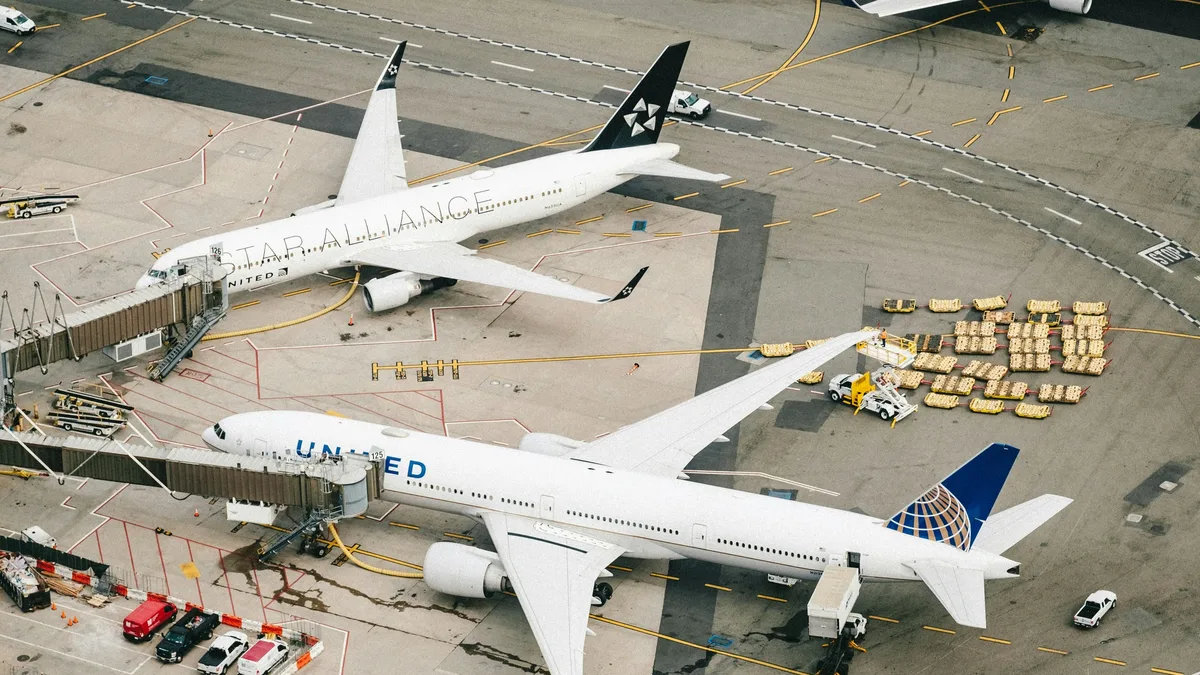
The disruption was immense. When the alert was issued, 4,042 flights headed for U.S. destinations were already airborne and were allowed to continue. Any plane on the ground, however, was not allowed to take off. This led to a critical shortage of gate space. Planes full of passengers were forced to use taxiways as parking lots, with tens of thousands of travelers stranded onboard because there was no space for them to deplane.
Aviation expert Vikrant Vaze estimated between 300,000 and 400,000 passengers were stranded. Major airports like Reagan Washington National and Chicago O'Hare reached or neared capacity. The cascading effects led to nearly 5,000 flight cancellations on Friday and hundreds more on Saturday. The crisis dwarfed a prior incident in September when construction workers cut a fiber backup line in Philadelphia. It was the first nationwide ground stop since a 90-minute outage in January 2023.
Industry Response and Recovery
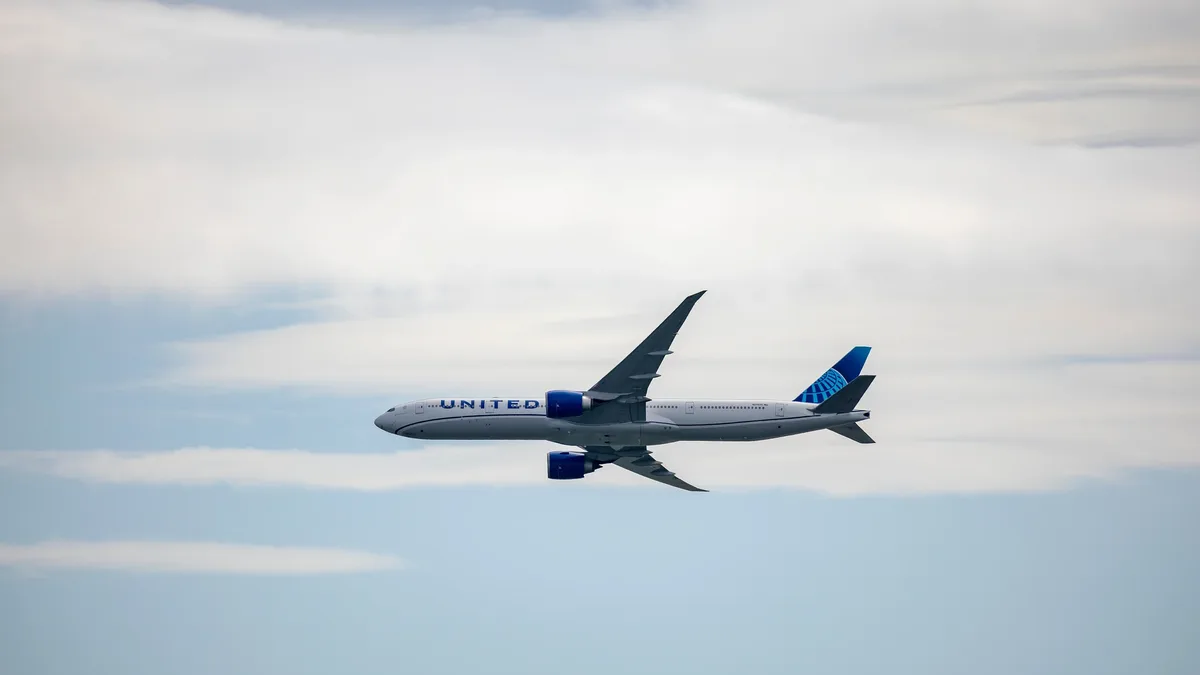
Major airlines scrambled to respond. United Airlines stated, United flights that are already airborne will continue. New domestic flights will not depart while the FAA ground stop remains in place. Delta and American Airlines issued similar directives. While flights resumed by Friday evening after the stop was lifted, the logistical cascade continued. The most immediate issue was that flight crews could run out of legal working hours and aircraft could be out of position, disrupting networks for days.
International flights arriving in the U.S. were handled on a case-by-case basis, and medical flights for organ transplants were not stopped. Airports like San Diego International suspended departures but continued accepting arrivals as space allowed. Amtrak reported higher-than-normal call volumes as travelers sought alternatives.
In the aftermath, the White House and Department of Transportation urged Congress to approve an additional $30.1 billion for airport improvements and air traffic control modernization, which would fund updated communications systems and equipment. This comes after Congress had already approved $50 billion to overhaul the system. The FAA's stated goal following the resolution of the four-hour crisis is 'zero delays at the start of the day.'