Alaska Airlines flight odor incident Honolulu sickens crew
Seven Alaska Airlines flight attendants fell ill from a mystery odor on a Los Angeles to Honolulu flight, prompting an emergency response.
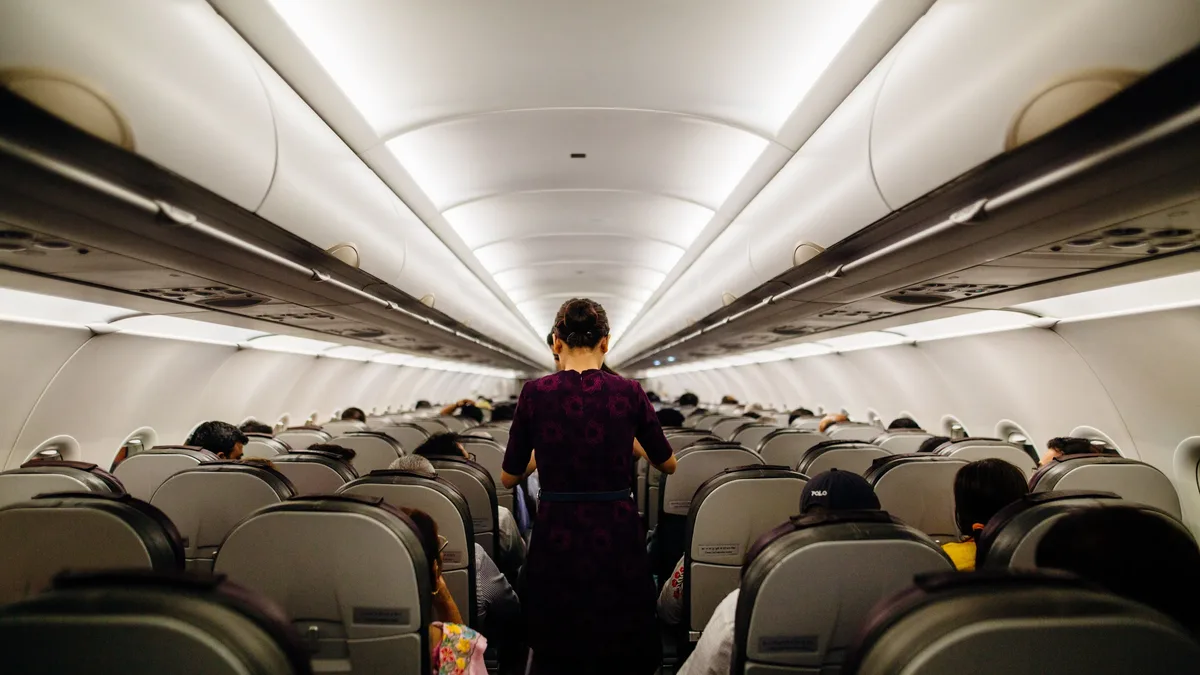
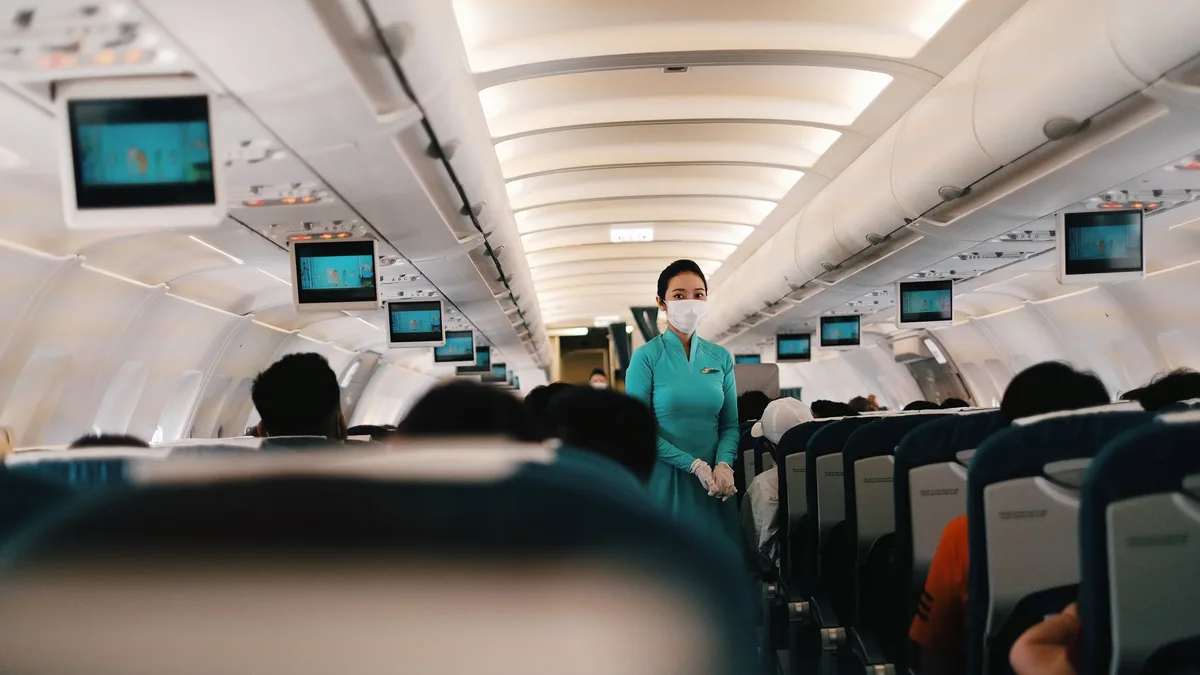
Seven Alaska Airlines flight attendants reported nausea and headaches from an unknown odor during a flight from Los Angeles to Honolulu. The incident on September 24 marked the second cabin odor event requiring an emergency response in Honolulu in under a week, renewing concerns about engine oil fumes and crew safety.
The flight, AS-803, departed Los Angeles around 10:10 am and landed in Honolulu at approximately 12:57 pm. Emergency medical responders met the aircraft at Daniel K. Inouye International Airport to evaluate the crew. All seven flight attendants declined transport to the emergency room.
Although marketed as an Alaska Airlines service, the aircraft was operated by Hawaiian Airlines, which became part of the Alaska Airlines Group in September 2024. The flight attendants involved are part of a separate workgroup from their Hawaiian Airlines counterparts.
Aircraft and operational details
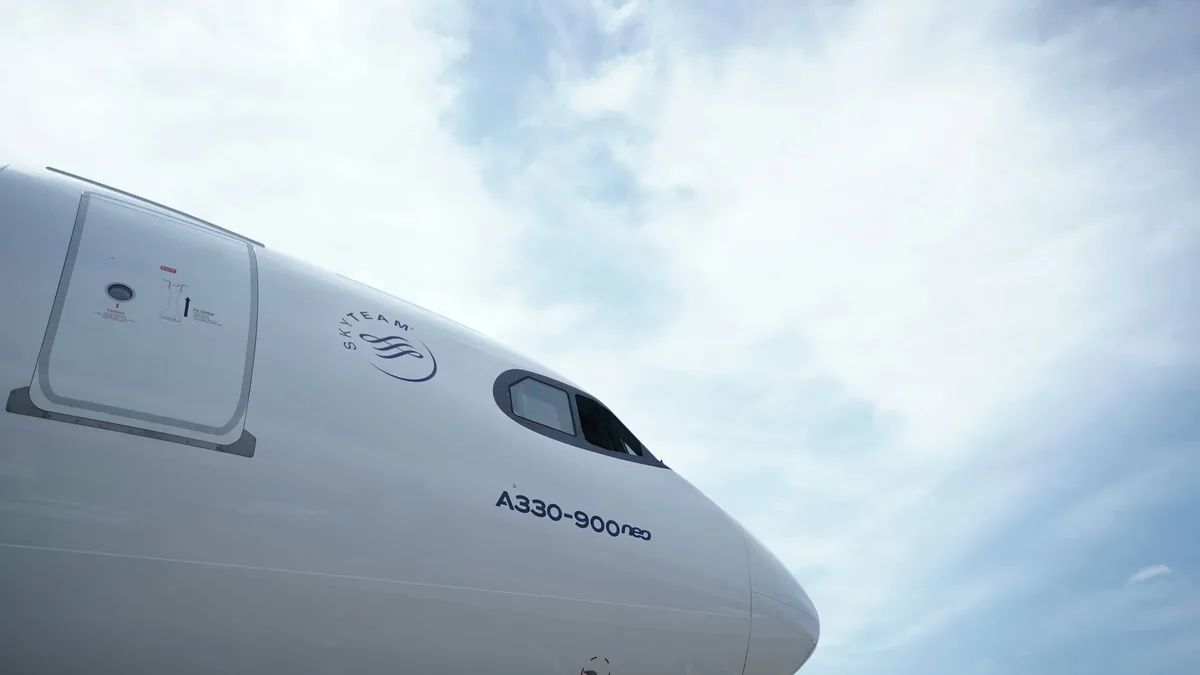
The aircraft involved is an 11-year-old Airbus A330 widebody with registration N375HA. After landing in Honolulu, the plane was grounded for just over 10 hours. Alaska Airlines stated the aircraft was being thoroughly inspected before its next flight.
Following the inspection, the aircraft returned to service. It subsequently operated a flight from Honolulu to Las Vegas.
This is not the first recent odor incident for this specific aircraft. On June 23, 2025, the same Airbus A330 was forced to divert back to Tokyo Haneda after pilots detected a 'strange odor' in the cockpit.
Safety response and industry context
In response to the latest event, a Hawaiian Airlines spokesperson said, "Safety is our priority and we thank the medical professionals for their response. No guests required medical attention."
The incident highlights a persistent debate over cabin air quality. Airlines often describe symptoms from such odor events-like eye and throat irritation, headaches, and nausea-as transient. They argue these are short-lived and do not cause serious ill health effects.
Critics and safety advocates dispute this. They warn that vaporized engine oil can cause chronic and debilitating health effects. Some argue that the use of low-odor engine oils may mask danger without eliminating the underlying risk. These sudden illness events can also disrupt travel plans for crew and passengers alike.
The aircraft returned to service after a 10-hour grounding and operated a Honolulu to Las Vegas flight.