United 777 Diverts to Dublin After Cockpit Windscreen Cracks
A United Airlines Boeing 777 made an emergency descent and diversion after its cockpit windscreen cracked at high altitude.
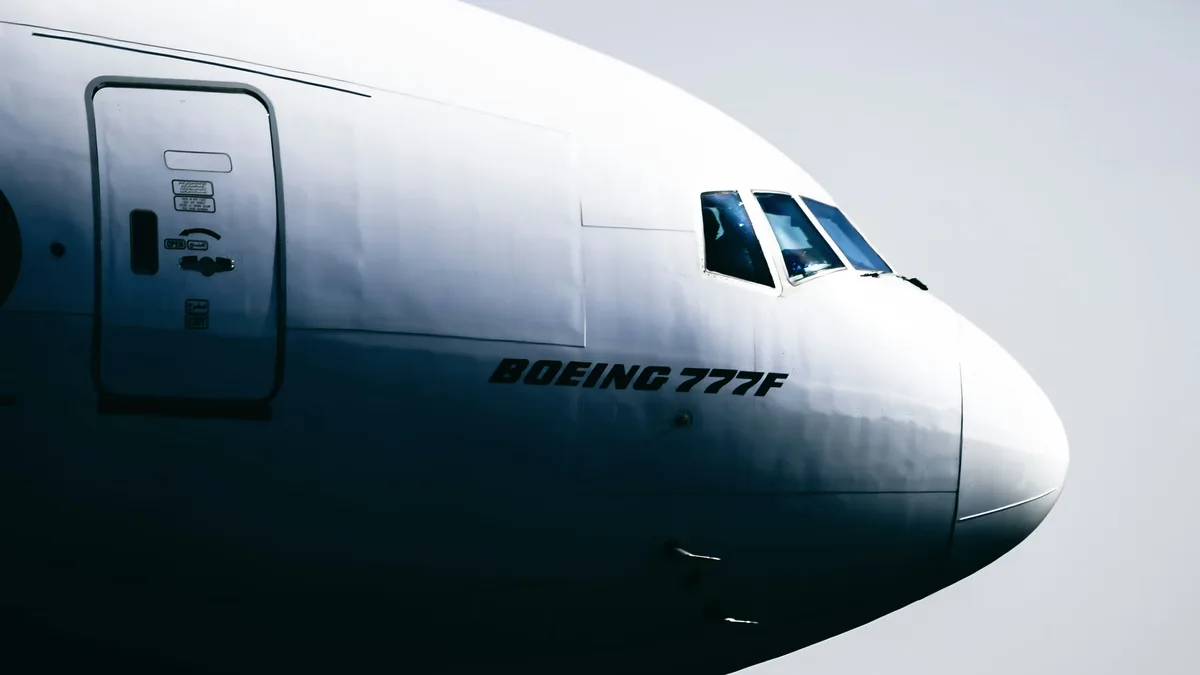
A United Airlines Boeing 777-200 was forced to make a steep descent and divert to Dublin after its cockpit windscreen cracked during a transatlantic flight. In a separate technical discussion, the distinct landing gear designs of the Boeing 787-10 and Airbus A350-900 illustrate differing engineering approaches for modern widebody aircraft.
United 777 Windscreen Incident
United Airlines flight UA-19, a Boeing 777-200ER, diverted to Dublin on Saturday morning after the main cockpit windscreen on the First Officer's side cracked while the aircraft was at approximately 37,000 feet. The flight had departed Newark at around 5:25 pm on Friday, October 9, bound for Milan with as many as 276 passengers on board.
Passengers described a "steep descent" as the aircraft neared Ireland. They were informed of the diversion but only learned the specific cause once on the ground in Dublin. The 29-year-old aircraft remained on the ground there following the incident. While such events are uncommon, cockpit windscreens are built with multiple layers to maintain integrity even if one layer fails.
Pilots treat a cracked windscreen as a potentially serious emergency, necessitating a landing as soon as safely possible. The proximity to Dublin provided a suitable diversion point. Historical precedents exist, such as a 2018 Sichuan Airlines Airbus A319 incident where a faulty seal caused a windscreen to burst, injuring the First Officer. A more extreme case in 1990 involved a British Airways captain being partially sucked from the cockpit after a windscreen panel separation; he survived with fractures and frostbite. United Airlines did not provide an immediate comment on the recent event.
787-10 vs A350-900 Landing Gear
The Boeing 787-10 and the Airbus A350-900, while both next-generation composite widebodies, feature five key differences in their landing gear design due to distinct engineering philosophies. The 787-10, a double-stretched model at 224 feet long, employs a semi-levered landing gear system, whereas the approximately 219-foot-long A350-900 uses a traditional center-pivoting bogie.
The semi-levered system on the 787-10 uses a hydraulic actuator during takeoff to restrict the tilt of the main wheel bogie. This lifts the fuselage higher to prevent the elongated tail from striking the runway during rotation. In contrast, the A350-900's cleaner-sheet design allowed engineers to set the landing gear struts to an exact height from the outset, avoiding the need for such a complex secondary system.
Further differences lie in the shock absorption systems and weight support. The A350-900 utilizes a nitrogen-oil shock absorber strut, an oleo-pneumatic system capable of supporting a maximum landing weight of over 300 tons. This design stabilizes the aircraft against crosswinds but adds to gear weight. The Boeing 787-10 uses a similar 'oleo-air' system but is configured differently due to its specific structural requirements and mission profile.