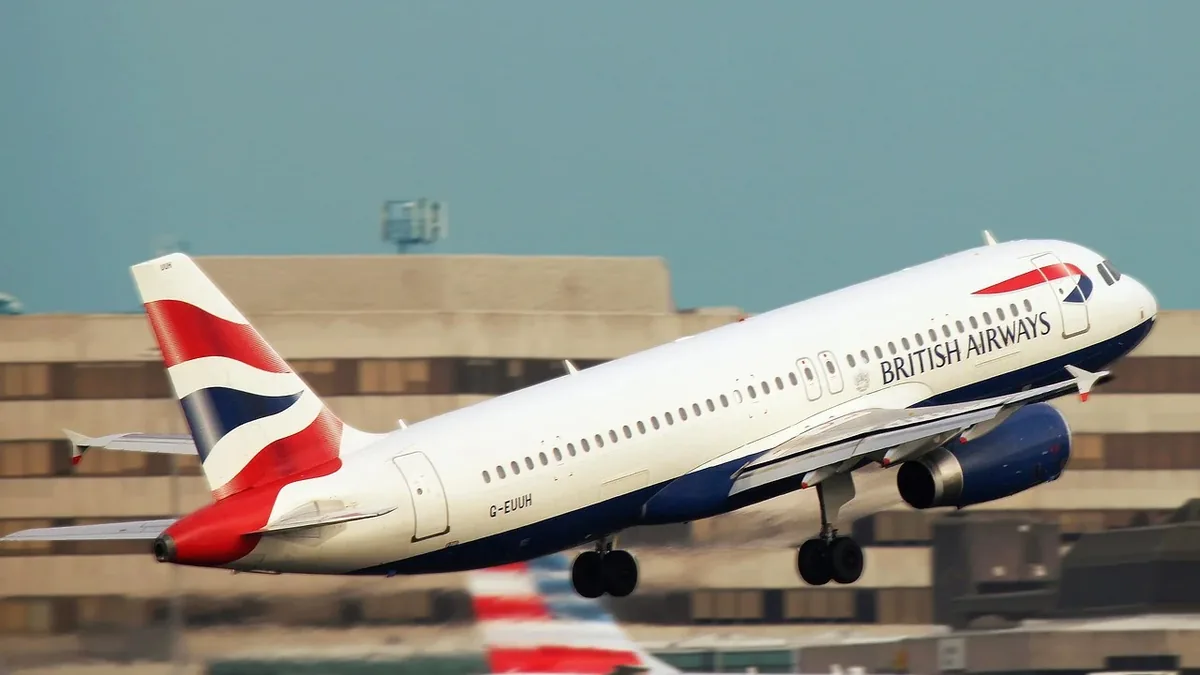
British Airways
| Country of origin | United Kingdom |
|---|---|
| First created | 1970s |
| Original use | Standardized pricing and conditions for air travel |
| Structure type | Fare families (e.g., Basic, Plus, Plus Flex) |
| Key inclusions | Seat, baggage allowance, ticket flexibility |
| Key exclusions | Seat selection, meals (varies by fare) |
| Recompense for failure | EU/UK passenger rights compensation regulations apply |
| Primary document | Terms and Conditions of Carriage |
Origin and history
British Airways originates from the United Kingdom. Its formation can be traced to the early decades of the twentieth century with the merging of several pioneer aviation companies. The direct forerunner, British Overseas Airways Corporation (BOAC), was a state-owned carrier established in the 1930s. The modern British Airways entity was created in the 1970s through the merger of BOAC and British European Airways (BEA). This consolidation was part of a broader reorganization of British air transport under the British Airways Board. The airline was later privatized in the 1980s, marking a significant shift in its operational and commercial strategy.
What it is for
British Airways operates a comprehensive fare structure designed to segment the market and cater to varying passenger needs and budgets. Its primary purpose is to generate revenue while managing seat inventory across its global network. The structure delineates specific inclusions, rules, and privileges associated with each booked ticket. It formally defines the contractual obligations between the passenger and the airline regarding the service provided. This framework determines the cost of core transportation and the additional fees for ancillary services or specific requests. Ultimately, it standardizes what a customer receives for their payment and establishes the conditions for changes, refunds, and compensations.
Pros and cons
A primary pro is the ability to select a fare that closely matches your travel needs, potentially lowering initial cost with a Basic fare if no changes are anticipated. The structure provides clear, upfront information on what is included, such as seat selection or checked baggage, preventing surprise fees at the airport for Standard or Flex fares. A significant con is the restrictive nature of the lowest fare tiers, where passengers often regret choosing Basic fares when unforeseen circumstances require even minor itinerary changes, incurring high change fees plus any fare difference. The common mistake is passengers focusing solely on the headline ticket price without reviewing the fare rules, leading to frustration when expecting services like advance seat assignment that are not included. Another con is the complexity of navigating the rules during irregular operations, where passengers on discounted fares may receive less proactive re-accommodation on alternative carriers compared to full-fare or elite status passengers. The system can penalize leisure travelers with inflexible plans more severely than business travelers who may book flexible fares or have status-driven waivers.
Who it suits
The Basic fare primarily suits very price-sensitive leisure travelers on simple, point-to-point journeys who are certain of their plans and travel with hand luggage only. Standard fares suit most typical leisure travelers who desire the security of a checked baggage allowance and the option to select a standard seat in advance for a more predictable experience. Flex fares suit business travelers or those with uncertain plans who require the ability to change or cancel flights with reduced or no penalties, valuing flexibility over initial cost. The premium cabin fare structures suit travelers for whom space, privacy, ground services, and premium catering are integral components of their journey, whether for business or leisure. The fare system also generally suits members of the British Airways Executive Club, who can use status benefits to offset restrictions of lower fare classes. It is less suited to travelers who frequently require complex, multi-airline itineraries or who prioritize consistently low fees for changes across all their travel.
Latest British Airways news
Latest reporting
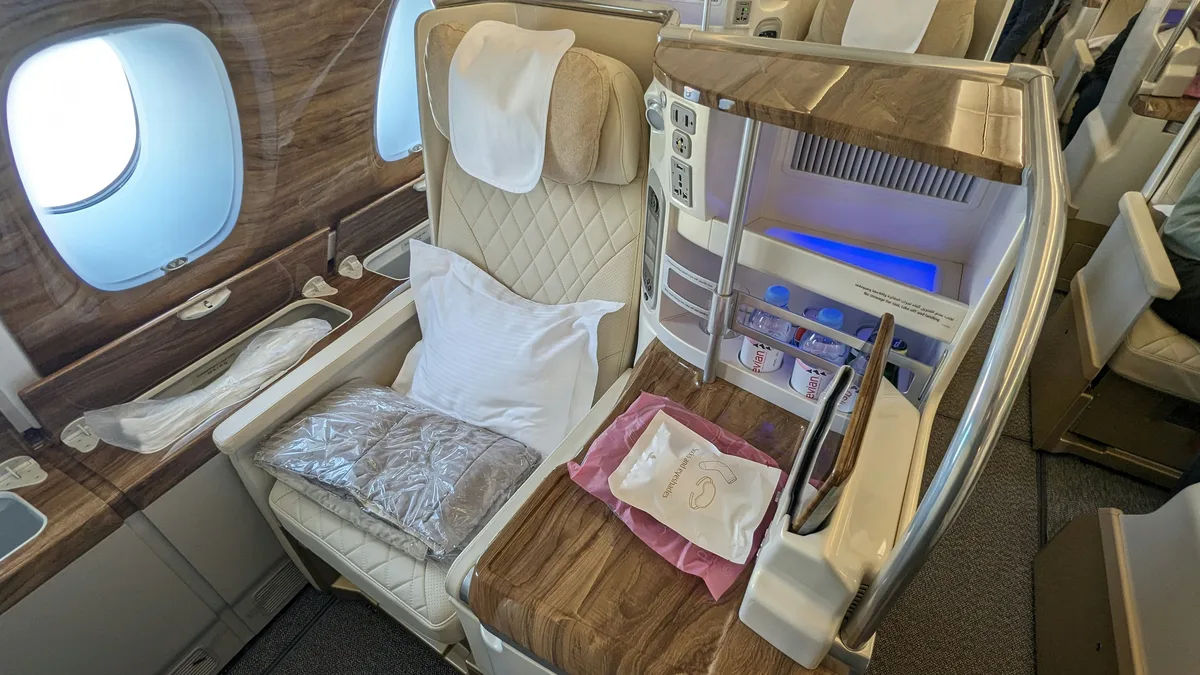
British Airways First Class revamp October 1 A380 suites
British Airways launches a major overhaul of its long-haul First Class soft product on October 1, introducing new serviceware, bedding, and amenities.
British Airways Avios vs tier points
British Airways Club members must distinguish between Avios, a spendable reward currency shared with partners, and tier points, which are used solely...
British Airways seat selection fees
British Airways charges passengers to select seats in advance across most cabins, including premium economy and business class, with fees varying by...
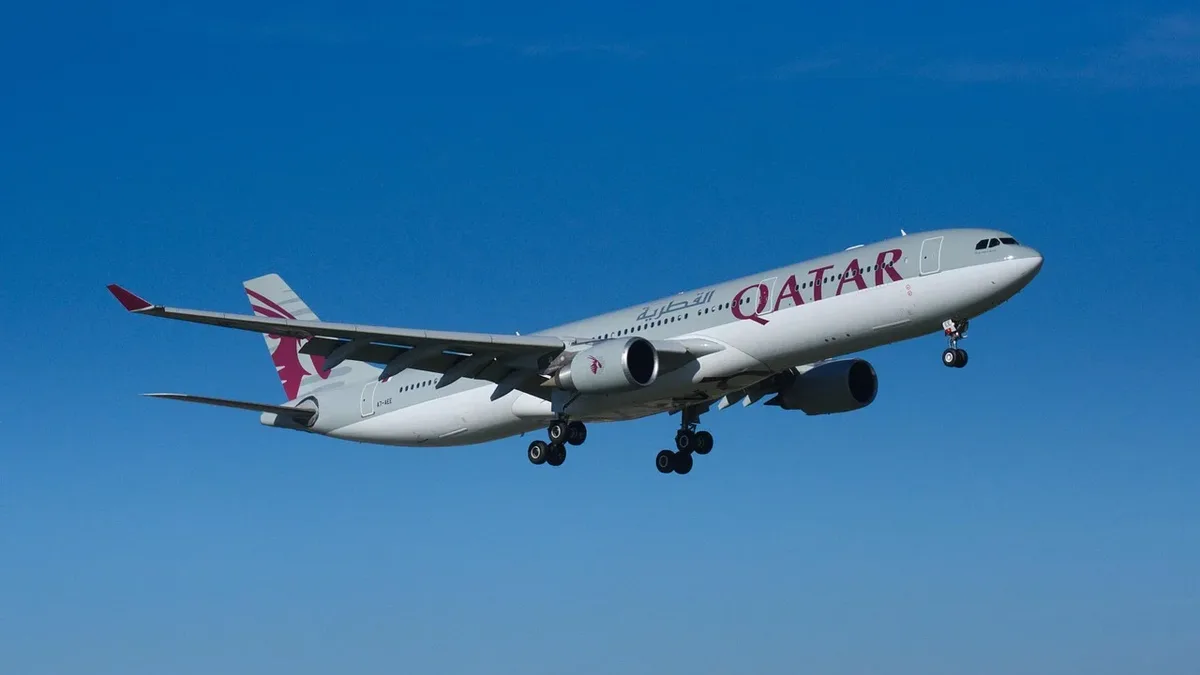
Qatar Airways launches new London menu with chef James
Qatar Airways has introduced a new business class menu created by two-Michelin-starred chef James Knappett for flights from London Heathrow to Doha.
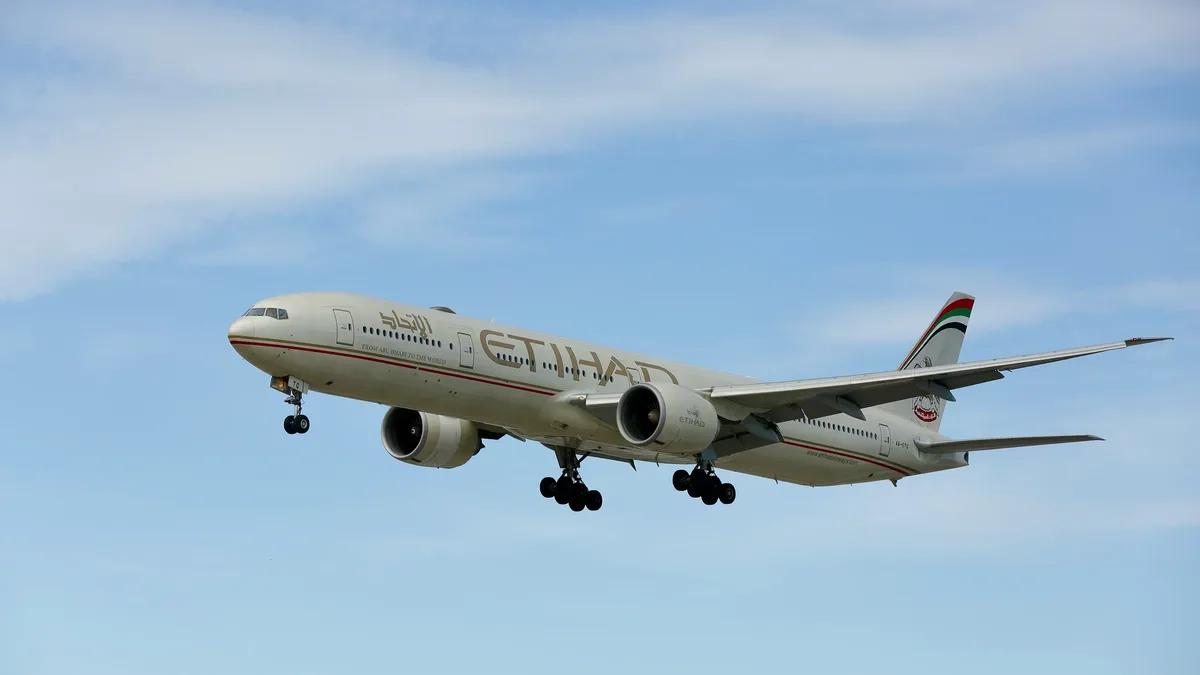
Etihad's shift to a 'normal airline'
Etihad Airways has pivoted from a prestige-focused strategy to a more rational, sustainable business model, leading to record profits in 2024 and...
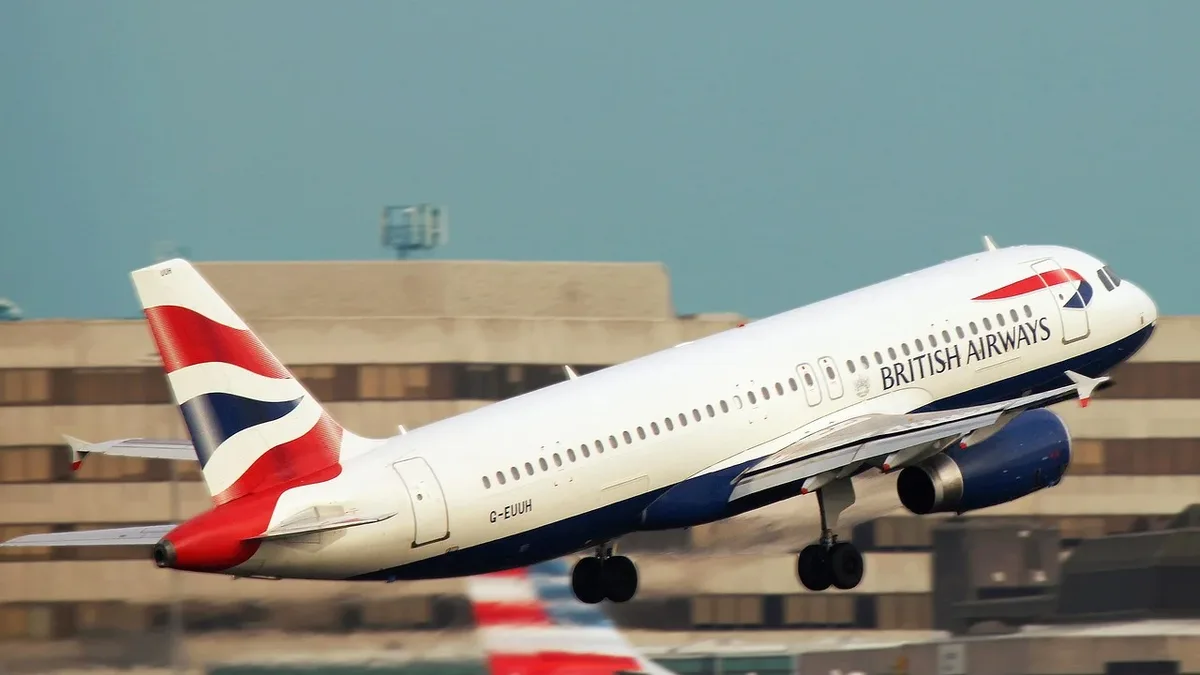
British Airways adds Kilimanjaro and Zanzibar flights
British Airways will launch new seasonal flights from London Gatwick to Kilimanjaro and Zanzibar in Tanzania from May 2027, with Avios reward seats