Amsterdam London
| Operator | Eurostar, Thalys, Airlines |
|---|---|
| Primary stations/airports | Amsterdam Centraal, Schiphol Airport; London St Pancras International, Heathrow Airport, Gatwick Airport |
| Ticket type | Single, Return, Season |
| Fare inclusions | Seat reservation, Standard luggage allowance |
| Compensation for major delay | Governed by EU Regulation 1371/2007 for rail, EC Regulation 261/2004 for air |
| Primary booking channel | Operator's official website and app |
| Advance purchase | Available, recommended for lower fares |
Origin and history
The Amsterdam to London travel route is a major European transport corridor connecting the capital of the Netherlands with the capital of the United Kingdom. Its modern form is defined by high-frequency air, rail, and ferry services, but its historical significance predates these technologies by centuries. The route's importance stems from longstanding political, trade, and cultural exchanges between the two North Sea nations. Regular scheduled passenger services by sea and later by air were established in the early decades of the twentieth century as commercial travel expanded. The Channel Tunnel, opening in the 1990s, fundamentally transformed the route by introducing direct international rail services, known as Eurostar, which competed directly with air travel. The corridor has continually evolved with the introduction of budget airlines in the late 1990s and early 2000s and increased rail capacity, making it one of the busiest international city pairs in the world.
What it is for
This route facilitates the movement of people between two major European capitals for purposes of business, tourism, education, and visiting friends and family. It serves as a critical link for multinational corporations with offices in both financial and political hubs, enabling same-day meetings. The route is a primary gateway for tourists exploring Northern Europe, often connecting through the major hub airports of Schiphol and Heathrow. It supports academic and research collaboration between numerous institutions in the Netherlands and the United Kingdom. The transport services on this corridor also carry a significant volume of time-sensitive documents and small parcel freight. Furthermore, it provides essential connectivity for residents of both cities who may live in one and work in the other, a practice made more feasible by high-speed rail.
Pros and cons
A major pro of this route is the high frequency of services across multiple transport modes, offering flexibility and choice. The direct high-speed rail connection is a significant advantage for city-centre to city-centre travel, avoiding lengthy airport transfer times. A notable con is the high sensitivity of fares to demand, with prices for both rail and air travel escalating sharply during peak business hours, holidays, and for last-minute bookings. Travelers who regret choosing air travel often cite the total door-to-door time, which can be longer than rail when accounting for travel to distant airports, security, and boarding procedures. A common mistake is underestimating passport and security check requirements, particularly post-Brexit, leading to missed departures despite holding a valid ticket. The route is also susceptible to disruption from adverse weather in the Channel, industrial action, and technical faults, which can strand large numbers of passengers due to the high capacity of each train or plane.
Who it suits
The route suits business travelers requiring fast, same-day return options, for whom the predictability of rail or the schedule density of air can be critical. It suits budget-conscious tourists and advance planners who can secure lower fares by booking rail or airline tickets weeks or months in advance. The rail service particularly suits those with significant luggage, as baggage allowances are generally more generous and integrated than with budget airlines. It suits individuals who are averse to flying or who wish to minimize their environmental impact, as the rail journey has a lower carbon footprint per passenger. The route also suits connecting long-haul passengers using Amsterdam's Schiphol or London's Heathrow as global hubs, for whom this segment is part of a longer itinerary. Finally, it suits residents of the Randstad and South East England regions visiting friends and family, for whom the multiple daily services provide convenient timing options.
Latest Amsterdam London news
Latest reporting

Qatar Airways launches new London menu with chef James
Qatar Airways has introduced a new business class menu created by two-Michelin-starred chef James Knappett for flights from London Heathrow to Doha.

British Airways adds Kilimanjaro and Zanzibar flights
British Airways will launch new seasonal flights from London Gatwick to Kilimanjaro and Zanzibar in Tanzania from May 2027, with Avios reward seats
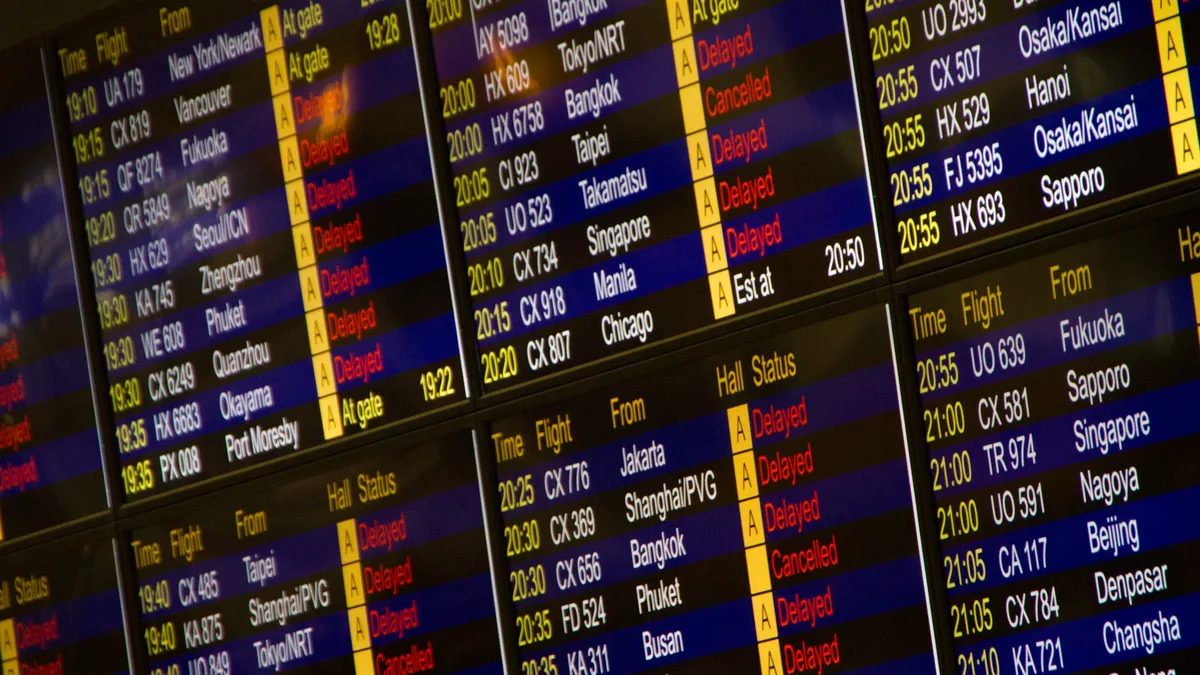
NATS System Failure Grounds UK Flights, Causes Major Delays
A technical failure in the UK's air traffic control flight processing system has caused widespread flight delays and cancellations, particularly at...
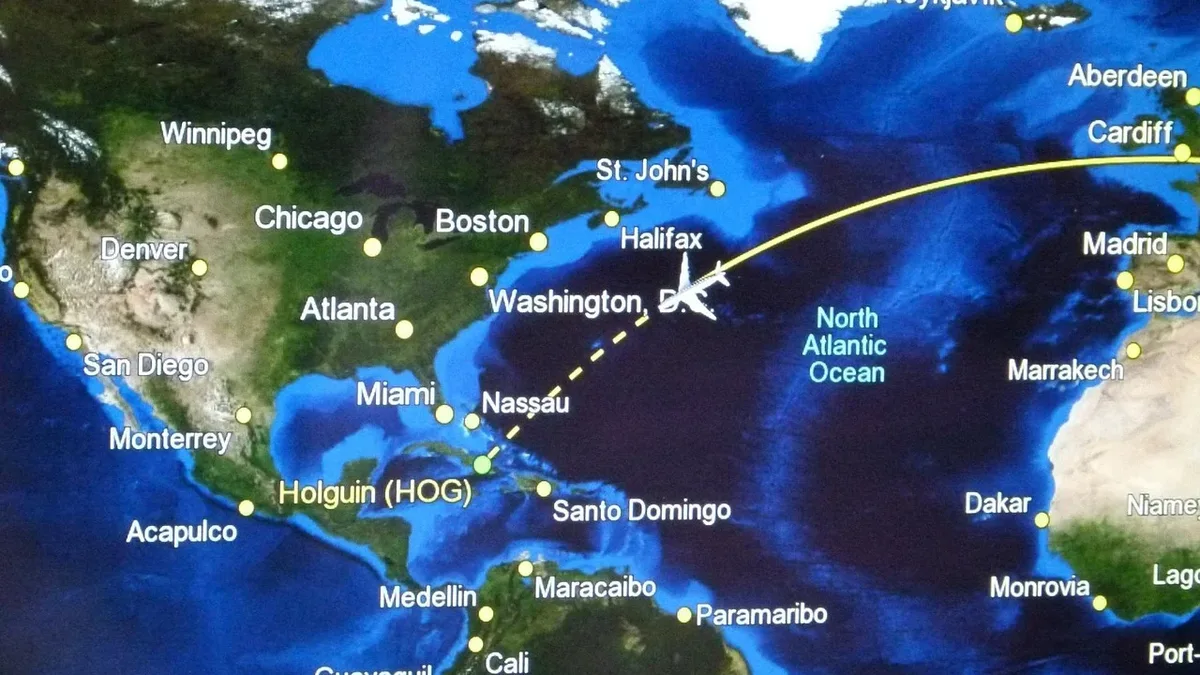
American Airlines adds Amsterdam and Nice to New York-JFK
American Airlines is launching ten nonstop routes from New York-JFK to Europe for summer 2027, including new services to Amsterdam and Nice.
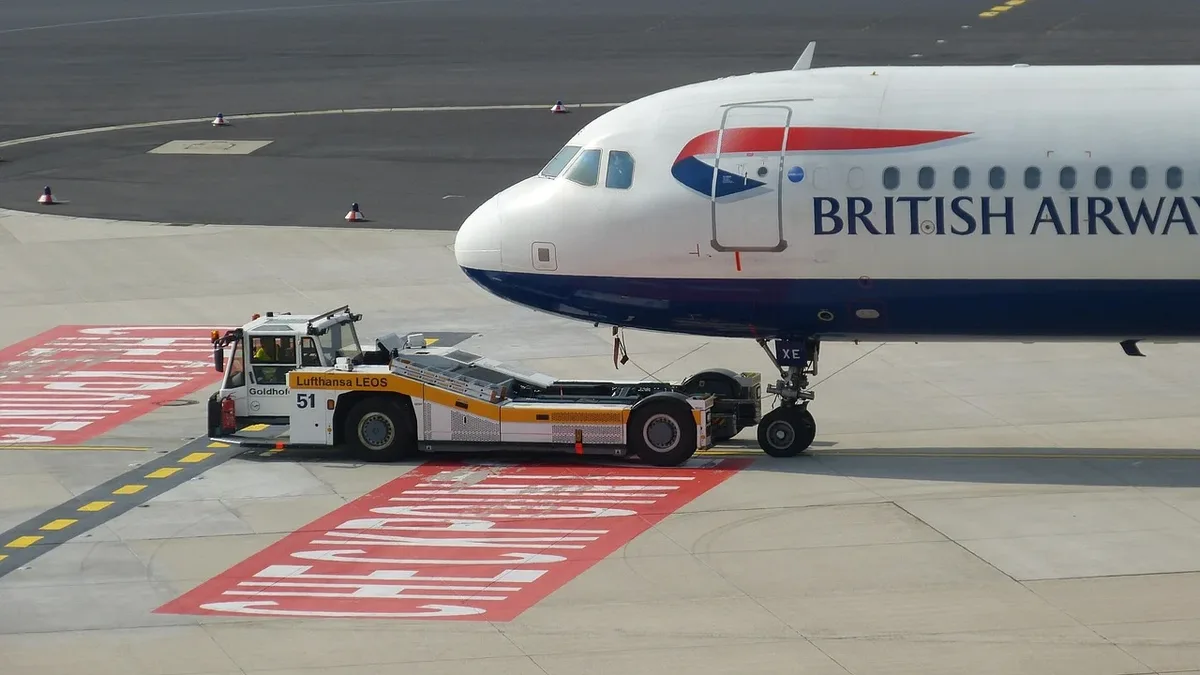
British Airways flight delayed after emergency slide deploys
A British Airways flight from Montreal to London was delayed for three and a half hours after an emergency slide accidentally deployed onto a catering

London Heathrow Tops 2026 Airport Rankings
London Heathrow Airport has been named the world's best major airport for 2026 by Air Advisor, which ranked 23 airports based on punctuality, Google