American Airlines Tests Honest Delay Reporting at Charlotte
American Airlines is piloting a new policy at its Charlotte hub to provide realistic delay estimates from the start, aiming to end the frustration of
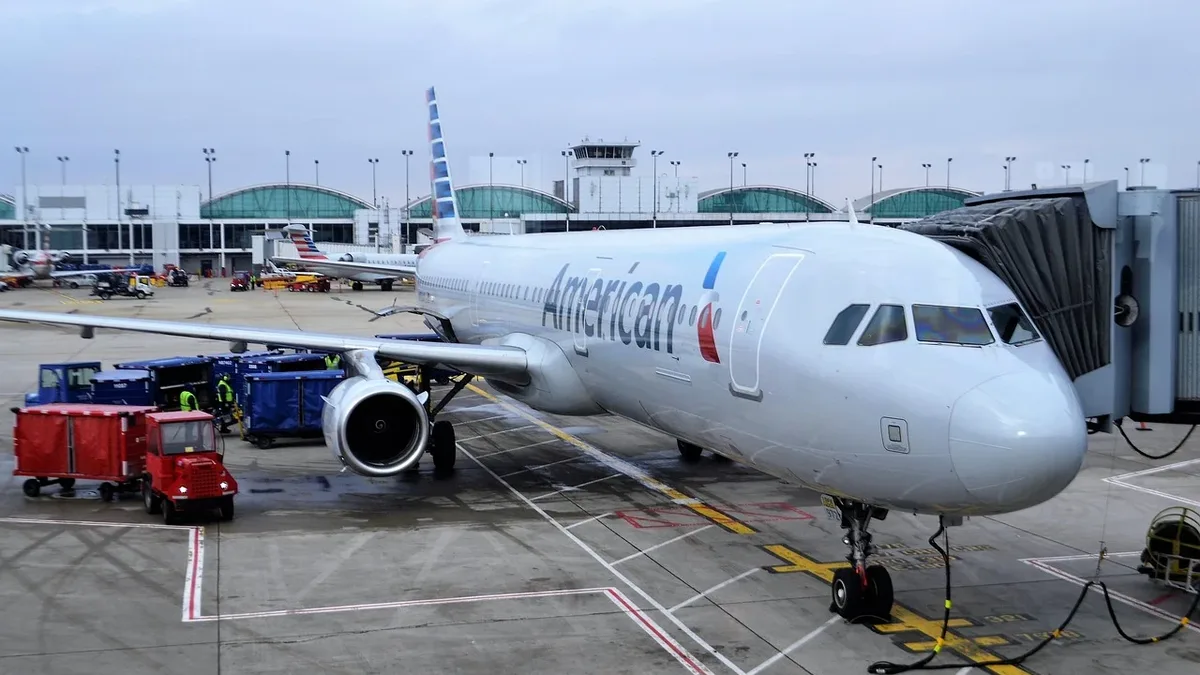
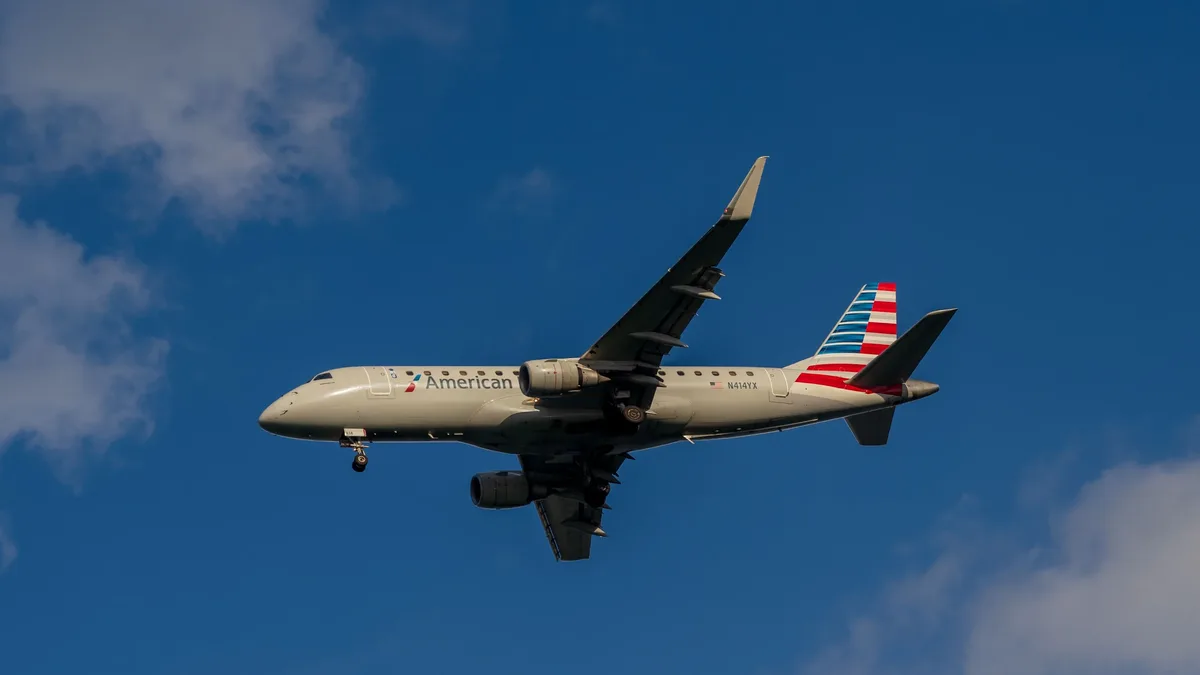
American Airlines is testing a new approach to end the passenger misery of 'rolling delays'. The carrier will now provide a realistic delay estimate from the outset at its Charlotte Douglas International Airport (CLT) hub, even if it makes its official on-time performance statistics look worse.
The old strategy was not born of dishonesty but of operational hope. American's planners would often announce a short initial delay when a plane or crew was stuck in another city, hoping to find a replacement aircraft or crew to get the flight back on schedule faster. The reality, however, was that this rarely worked, leading to a frustrating cycle of repeated 20-minute extensions.
The Problem of Rolling Delays
Rolling delays have become a particular frustration for American Airlines passengers. There are two primary causes. The first is a maintenance issue that takes longer to fix than initially anticipated. The second, and more contentious type, occurs when the assigned aircraft or crew is delayed arriving from another city.
Passengers using flight tracking apps can see their plane is hours away, yet gate agents might only announce a 30-minute delay. When that time passes, another short delay is announced, creating a drip-feed of disappointment. American Airlines is now questioning this method after years of customer frustration.
The Charlotte Pilot Program
The airline has chosen its massive Charlotte hub to test a new policy of honesty. Under the pilot program, the delay time communicated to passengers will be based on when the originally assigned, delayed aircraft is due to arrive. This means if the plane is two hours away, passengers will be told about a two-hour delay from the beginning.
This shift has a significant consequence. On the rare occasions when American does successfully find a replacement plane sooner, passengers under the new system would still wait based on the original, longer estimate. The airline believes the trade-off is worth it for providing clarity and allowing passengers to make informed alternative plans.
Operational Mindset and Future Steps
Adopting this model requires a fundamental mindset shift for American's operations team. The goal is to provide timely and realistic updates instead of optimistic wishful thinking. JonNYC suggests this is just the first step in a broader rethink of how American handles disruptions.
Future initiatives could include more realistic scheduling on delay-prone routes and more proactive maintenance programs. The airline acknowledges that some rolling delays will persist, particularly for complex maintenance fixes or during severe weather events that make accurate forecasting difficult.
American's move aligns with practices already common at many other airlines. The test in Charlotte, driven by the hub's sheer operational scale, will determine if upfront honesty proves a better long-term strategy for customer relations than fleeting optimism.