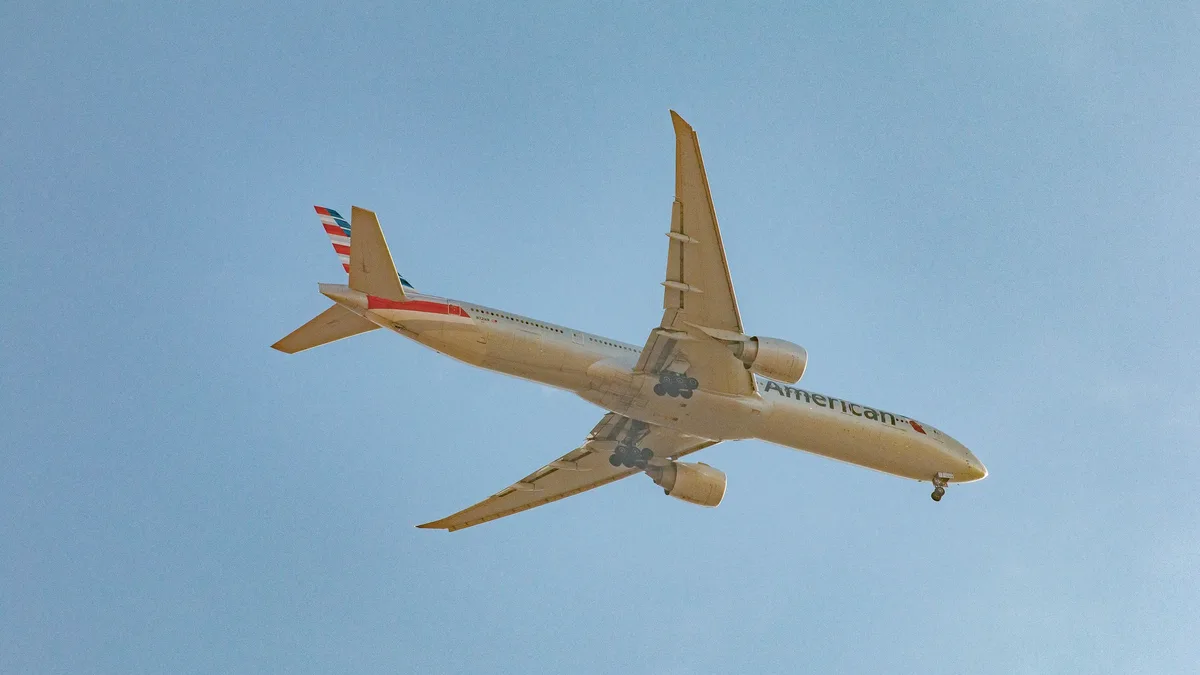
Five Widebody Aircraft Defying Retirement
A select group of legendary widebody aircraft continues logging heavy flight hours years after mainstream passenger airlines closed their cabin doors.
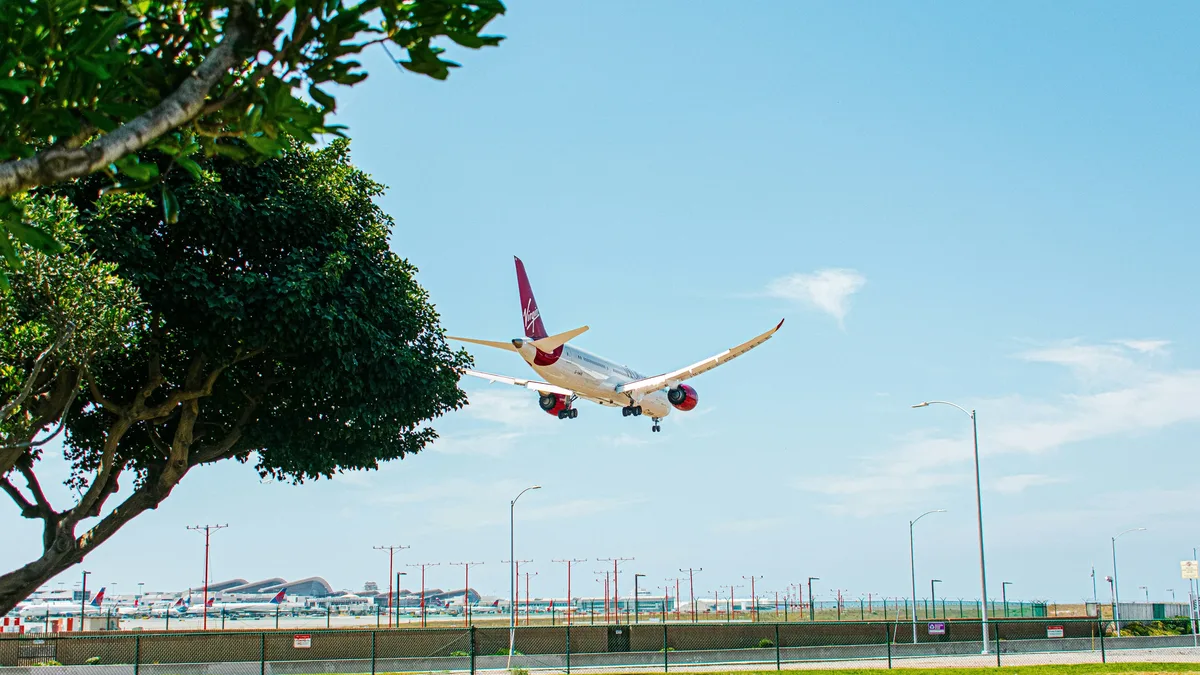
The evolution of commercial aviation is marked by a relentless pursuit of operational efficiency. However, a select group of widebody aircraft has defied retirement, continuing to log heavy flight hours years after mainstream passenger airlines closed their cabin doors.
## Airbus A340
The Airbus A340 is one such aircraft. Conceived as a long-range complement to twin-engine counterparts, the A340 entered commercial service during an era when four engines represented the absolute gold standard for transoceanic safety and range. Featuring a sleek wing design and high-bypass turbofans, the aircraft quickly became a staple for carriers like Lufthansa and Singapore Airlines, operating ultra-long routes across oceans and continents.
Despite mass passenger retirement, a resilient contingent of A340 airframes continues to ply the skies under specialized operators and select carriers. Airlines such as Lufthansa and Mahan Air have kept variants like the A340-300 and A340-600 active on high-density international routes, capitalizing on delays in newer widebody aircraft deliveries and robust demand for first-class seating capacity. Operating out of hubs like Frankfurt Airport (FRA), these quadjets regularly cruise at altitudes exceeding 38,000 feet (11,582 meters), carrying hundreds of passengers across thousands of miles.
The endurance of the A340 is a perfect example of where surplus quadjets offer an affordable bridge for airlines facing severe supply chain issues in new aircraft manufacturing. Fuel burn penalties mean these aircraft cannot compete with modern carbon-composite twins on a per-seat basis, but their existing capital availability makes them exceptionally cost-effective for niche charter networks, seasonal high-density corridors, and diplomatic transport roles.
## McDonnell Douglas MD-11
The McDonnell Douglas MD-11 is another aircraft that has defied retirement. The trijet entered commercial service with a reputation for blazing speed and advanced flight deck technology, though its demanding aerodynamics and high fuel consumption made it a challenging passenger airliner. Airlines operating the trijet across transcontinental and transoceanic paths often struggled with operating economics, prompting carriers to phase out passenger configurations long before other widebody types.
However, the very characteristics that complicated passenger operations, such as immense wing loading, high approach speeds, and massive volumetric cargo capacity, made the aircraft an extraordinary candidate for dedicated freight conversion. In the decades following its passenger retirement, the MD-11 became a cornerstone of heavy-lift global logistics, with express shipping giants like Fedex Express using the trijet to move thousands of tons of cargo daily.
## Airbus A300
The Airbus A300 is an aircraft that started it all. Introduced to the commercial aviation market in the 1970s, the A300 shattered industry conventions as the world’s first twin-engine widebody airliner. Designed to connect high-density regional and continental city pairs with unprecedented fuel economy, the aircraft showed that two engines were sufficient to lift a widebody cabin across substantial distances.
Although major European and American passenger airlines gradually retired the type as newer, longer-range twins took over trunk routes, the A300 discovered an extraordinarily lucrative second career in the global cargo sector, where hundreds of airframes underwent heavy freight conversions. Today, active A300 and A310 derivatives continue to serve heavy logistics networks and select passenger operators, such as Iran Air, which maintains some of the last surviving passenger-configured airframes in commercial service.
## Boeing 767
The Boeing 767 is an aircraft that has extended its lifespan well beyond initial projections. When the 767 debuted in the early 1980s, it revolutionized intercontinental travel by opening long, thin oceanic routes to efficient twin-engine operations. Airlines embraced the aircraft for its comfortable seven-abreast seating and exceptional fuel burn, using it to connect secondary North American hubs directly to European capitals.
Even as newer composite widebodies like the Boeing 787 entered commercial service, major passenger airlines began retiring their aging 767 fleets, shifting the type away from premium passenger trunk lines and into the hands of cargo converters. Rather than fading into obscurity, the 767 found a massive, highly lucrative second life as the preferred medium-widebody freighter for global express networks.
| Aircraft | Length | Wingspan | Height | Maximum Takeoff Weight | Engines | Thrust | Range | | --- | --- | --- | --- | --- | --- | --- | --- | | Airbus A340-300 | 59.36 m | 60.3 m | 16.7 m | 275,000 kg | 4 x CFM56-5C | 222 kN | 9,000 km | | Airbus A340-600 | 75.3 m | 60.3 m | 16.7 m | 380,000 kg | 4 x CFM56-5C | 222 kN | 9,000 km | | McDonnell Douglas MD-11 | 59.4 m | 51.7 m | 16.4 m | 250,000 kg | 3 x GE CF6-80C2 | 222 kN | 8,000 km | | Airbus A300 | 54.2 m | 44.8 m | 16.1 m | 170,000 kg | 2 x CF6-80C2 | 222 kN | 5,000 km | | Boeing 767 | 55.9 m | 48.5 m | 15.8 m | 185,000 kg | 2 x CF6-80C2 | 222 kN | 5,000 km |
| Aircraft | Cargo Capacity | Payload | Range | | --- | --- | --- | --- | | McDonnell Douglas MD-11 | 175,000 kg | 8,000 km | | Airbus A300 | 120,000 kg | 5,000 km | | Boeing 767 | 100,000 kg | 5,000 km |
These five widebody aircraft have defied retirement, continuing to log heavy flight hours years after mainstream passenger airlines closed their cabin doors. Their specialized engineering, massive payload capacity, and unique structural capabilities remain indispensable in cargo networks and niche global operations.