Lufthansa caps extra fuel on Frankfurt flights amid supply squeeze
Lufthansa is instructing pilots to carry capped amounts of extra fuel on flights into its Frankfurt hub due to constrained supplies from pipeline maintenance and low river levels, a measure known as tankering.
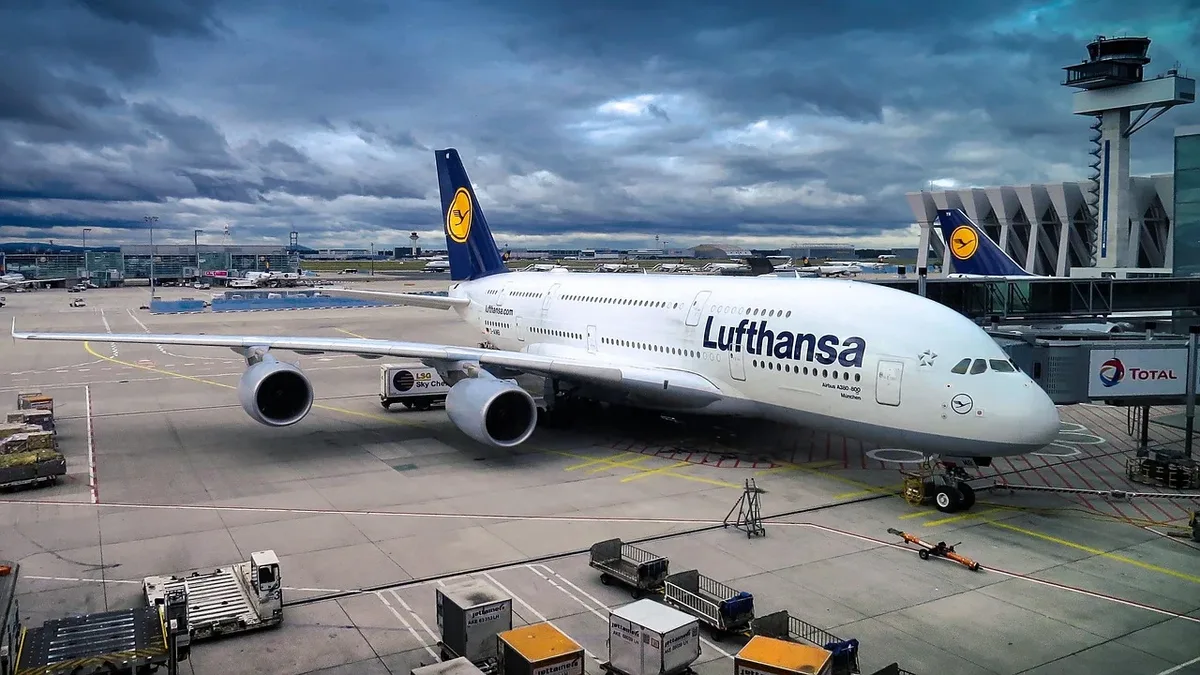
Lufthansa is implementing extra fuel caps on select flights bound for Frankfurt Airport. The German flag carrier is taking this tankering measure due to constrained fuel supplies at its main hub, aiming to minimize refueling needs upon arrival.
Frankfurt Airport is experiencing constrained fuel supplies due to pipeline maintenance and low Rhine River levels affecting barge deliveries. The primary cause is reduced capacity on the pipeline supplying the airport. Low water levels on the Rhine are also limiting fuel deliveries by boat. Initial reports emphasized the river levels, but Lufthansa clarified the pipeline issue is the main factor, with the river as a possible additional pressure.
Lufthansa’s tankering response and limits
Lufthansa has instructed pilots to carry extra fuel on flights into Frankfurt but capped it at eight tons on A320 aircraft to maintain operational safety and avoid payload reductions. This practice, known as tankering, involves loading extra fuel at departure airports. The eight-ton cap ensures the aircraft can still be towed upon landing. Flight planners were explicitly told not to offload passengers or cargo to accommodate the extra fuel weight. The instruction to carry extra fuel runs until further notice. Lufthansa confirmed the precautionary measure to news agencies.
Operational impact and airline assurances
The measure primarily affects short-haul flights, with Lufthansa stating no cancellations are expected and that the action ensures reliable operations despite the fuel constraints. Some long-haul flights are also involved. A Lufthansa spokesperson said the airline has taken these steps to ensure reliable flight operations and that cancellations are not anticipated. Frankfurt Airport, Germany's busiest, has substantial on-site storage. Its ten above-ground tanks hold a combined 186 million litres, and a 60-kilometre underground pipe network distributes fuel to stands. Daily consumption is approximately 15 million litres, meaning a full tank farm could theoretically cover about twelve days without fresh deliveries.
Context and broader implications of tankering
While tankering is typically used for cost savings, here it serves operational resilience, though it increases fuel burn and has been linked to significant CO2 emissions in past analyses. Tankering increases aircraft weight, leading to higher fuel consumption. Airlines normally use the practice when fuel is cheaper at the departure point. In this instance, it is being deployed to maintain hub operations amid scarcity. A 2019 analysis suggested industry-wide tankering could be responsible for 901,000 tonnes of additional CO2 annually. Jet fuel has been both scarce and expensive across Europe recently. The instruction to carry extra fuel runs until further notice.