Ryanair Demands Extension of EES Relief Amid Border Chaos
Ryanair criticizes the European Commission for ending summer mitigations on full biometric checks, citing malfunctioning kiosks and staffing shortages that
Ryanair has attacked the European Commission's decision to end temporary relief from full biometric passport checks. The airline says faulty self-service kiosks and staff shortages continue to cause long, unpredictable waits at European airports for travelers from outside the EU.
The relief period for the Entry/Exit System (EES) ended on September 6. The system requires non-EU passengers entering from outside the Schengen area to register fingerprints and a facial photograph at kiosks. Ryanair's chief operating officer Neal McMahon called the EU's handling of EES "a shambles from start to finish" in a statement on Tuesday.
McMahon said airlines, airports, and border authorities had repeatedly warned Brussels the rollout was not ready. He argued it would increase processing times and create excessive queues. "Passengers should not be made to pay the price for the EU’s failed EES rollout," he added.
Ryanair wants the European Commission to extend the mitigation measures until at least April 2027. This would allow time to fix the biometric kiosks, implement e-gate access for non-EU nationals, and resolve staffing shortages.
How the Entry/Exit System Works
EES applies to third-country nationals. This means citizens from countries that are not EU members, nor from Iceland, Liechtenstein, Norway, or Switzerland. Travelers from the United States, Canada, the United Kingdom, and Australia must use the system.
Every time these travelers arrive in the EU, they must register their biometrics at a self-service kiosk. The kiosk typically requests a facial photograph, fingerprints, or both. After this step, travelers must still queue to see an immigration officer for final entry approval.
The European Commission introduced EES to improve border security. It replaces passport stamping with a shared EU system to record entries and exits. The goal is to help border guards identify overstayers and criminals more quickly.
Causes of the Lengthy Delays
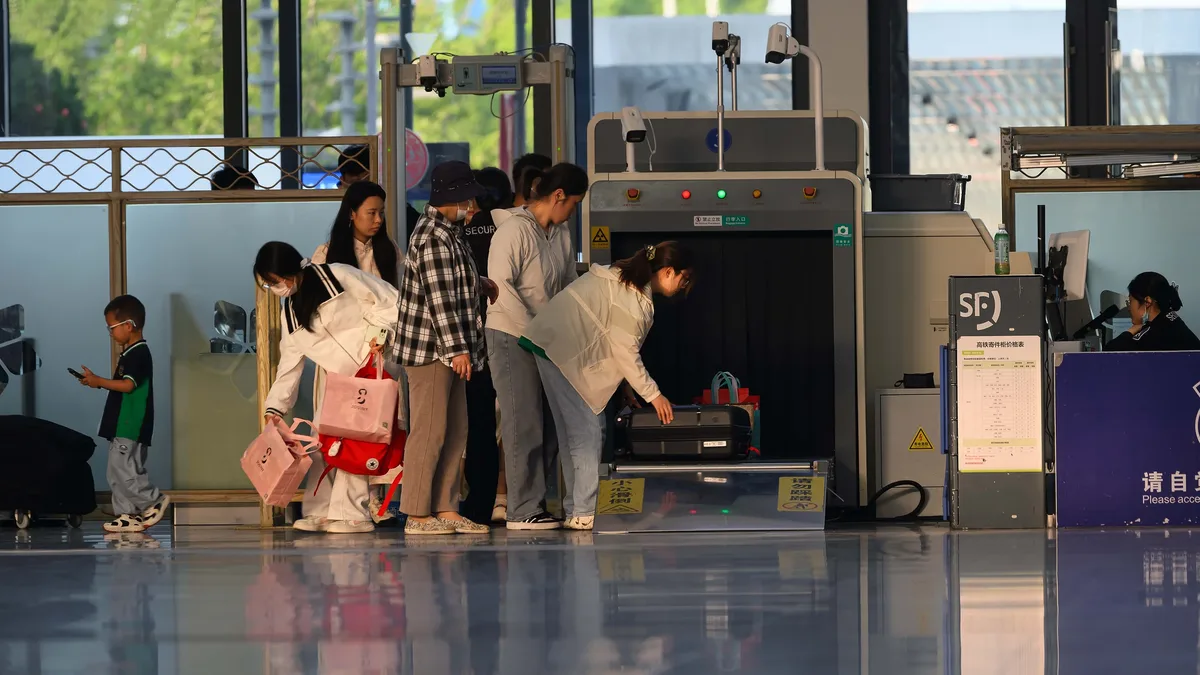
Two primary factors are creating very long lines at border control. First, the biometric capture process takes time, and many airports lack enough kiosks during peak periods. Second, passengers face a second wait to see an immigration officer due to staffing shortages.
Access to automated e-gates to speed up the second step depends on the country. Some national governments have extended e-gate use to third-country nationals after biometric registration. Others still restrict e-gates to EU citizens only.
During the summer, wait times at some airports exceeded four hours. The temporary ability to suspend biometric checks helped avoid the widespread chaos predicted by Ryanair and other airlines. The carrier now warns that with full checks reinstated, passengers face renewed disruption.