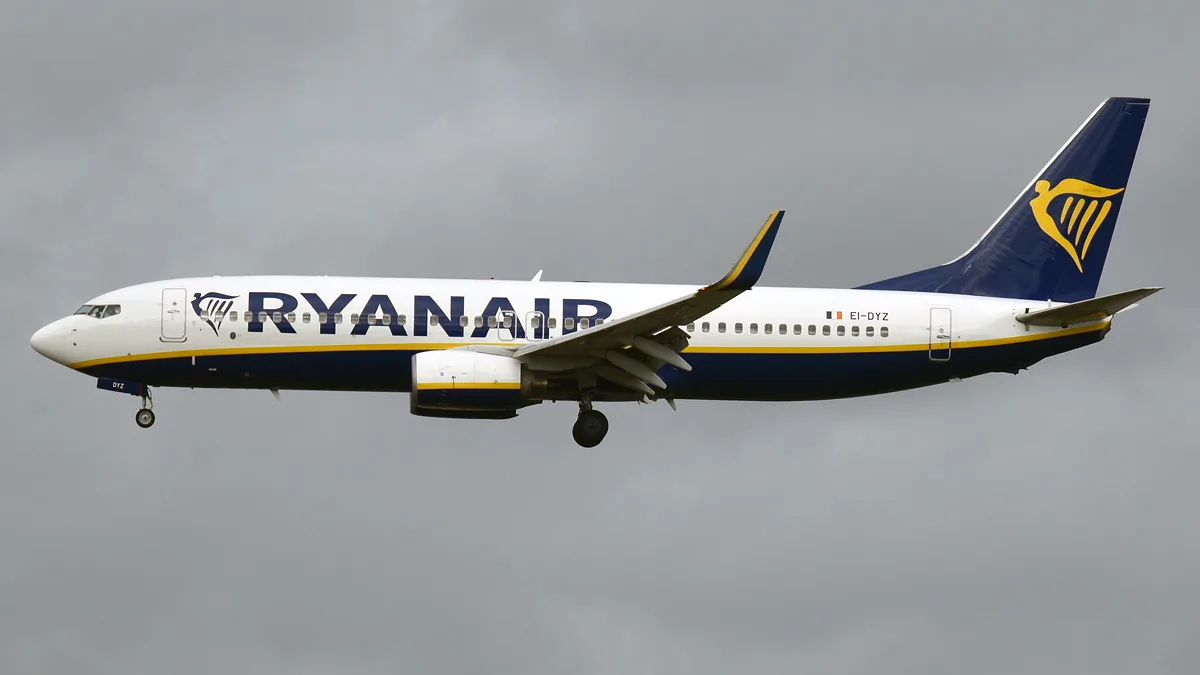
Ryanair
| Country of origin | Ireland |
|---|---|
| First launched | 1990s |
| Original use | Low-cost short-haul air travel |
| Refund eligibility | EU/UK passenger rights regulations |
| Fare inclusions | Base transport seat, one small personal item |
| Check-in | Mandatory online check-in for most passengers |
| Baggage | Fee-based checked and cabin baggage |
| Seat assignment | Standard seat assignment fee-based |
Origin and history
Ryanair is a low-cost airline that originated in Ireland. It was founded in the mid-1980s, beginning operations in 1985. Initially, the airline operated a single aircraft on a route between Ireland and the United Kingdom. Its early business model was that of a conventional full-service airline, not the low-cost carrier it later became. The airline underwent a significant strategic transformation in the early 1990s, restructuring itself on the low-cost model pioneered by Southwest Airlines in the United States. This shift marked the beginning of its evolution into the high-volume, point-to-point carrier known today, fundamentally altering the European air travel market.
What it is for
Ryanair's fee structure is designed to separate the base cost of a flight seat from all other services. Its primary purpose is to enable the advertisement of very low headline fares. This structure requires passengers to pay separately for virtually every element beyond the basic seat, including checked baggage, cabin baggage beyond a small personal item, and seat selection. It also applies fees for administrative tasks, such as checking in at the airport instead of online and printing boarding passes at the airport. The model is intended to allow passengers who travel with minimal needs to pay very little, while the airline generates ancillary revenue from those who require additional services. This à la carte system is fundamental to Ryanair's low-cost business strategy and profitability.
Pros and cons
A primary advantage is the access to extremely low base fares, making air travel affordable for budget-conscious passengers and enabling frequent, spontaneous trips. The fee structure is transparently itemized, allowing travelers to build a trip cost tailored to their specific needs. However, the common mistake is for passengers to overlook the cumulative cost of add-ons, leading to a final price that can rival or exceed that of traditional carriers. Many regret choosing Ryanair when they incur high penalty fees for easily breached rules, such as cabin bag size limits or airport check-in requirements. The structure is often criticized for its complexity and for penalizing those unfamiliar with its stringent policies, particularly families or infrequent travelers. Furthermore, customer service and flexibility when problems arise are widely reported as insufficient, with fees for changes or assistance compounding traveler frustration during disruptions.
Who it suits
This fee structure best suits very price-sensitive, flexible travelers who pack lightly and meticulously follow airline rules. It is ideal for solo travelers or couples on short city breaks who can travel with only a small personal item to avoid baggage fees. Experienced, frequent flyers who are thoroughly familiar with Ryanair's procedures and online check-in system can navigate the structure successfully to secure the lowest total cost. The model suits passengers who prioritize the lowest possible upfront fare over comfort, convenience, or flexibility, as seat selection and itinerary changes come at a premium. It is less suitable for families with young children, travelers requiring significant luggage, or those who value certainty and included amenities, as the cost of adding these needs can escalate quickly. Passengers needing robust customer support or those prone to last-minute changes will likely find the fee structure punitive and stressful.
Latest Ryanair news
Latest reporting
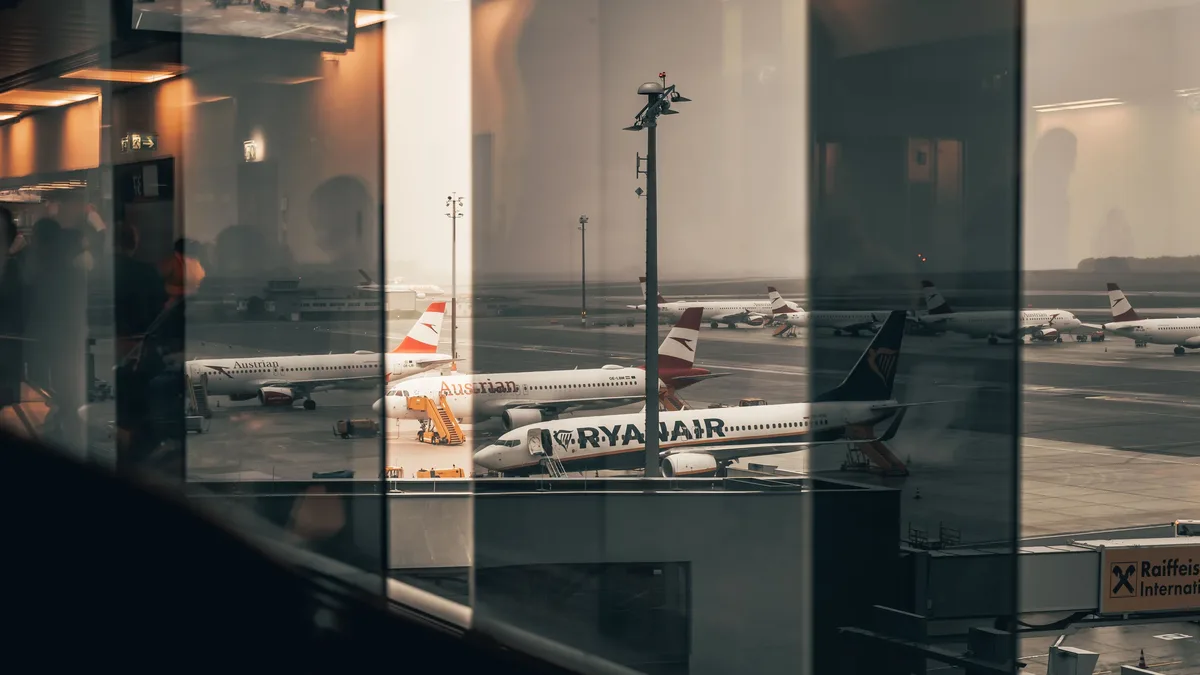
Ryanair CEO Disputes Passenger Sucked Out of 737 Window
Ryanair's Michael O'Leary denies claims a passenger was partially sucked out of a shattered window, contradicting witness accounts and a preliminary...
Ryanair Demands Extension of EES Relief Amid Border Chaos
Ryanair criticizes the European Commission for ending summer mitigations on full biometric checks, citing malfunctioning kiosks and staffing...
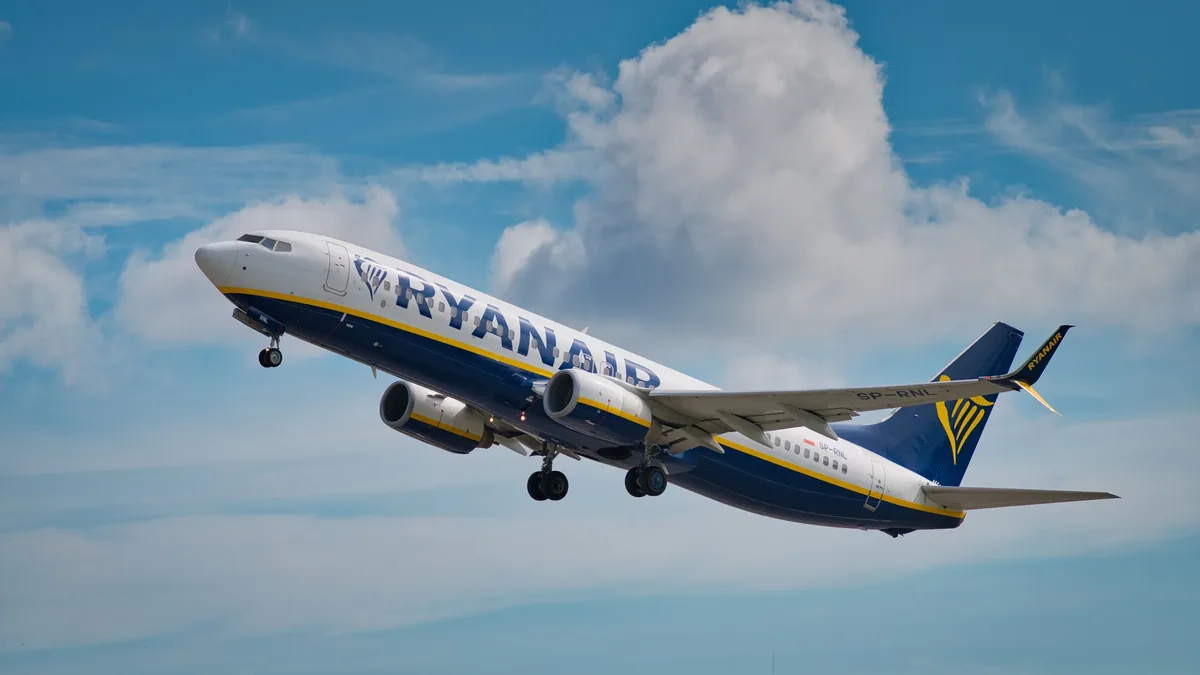
Ryanair cuts growth, warns of airline
Ryanair cuts its passenger forecast and keeps winter capacity flat, warning high fuel prices could cause less-protected European airlines to fail.