TSA Bans Sitting for Security Officers, Sparks Union
The TSA has ordered its document-checking officers to stand at all times, removing chairs to boost alertness and passenger hospitality.
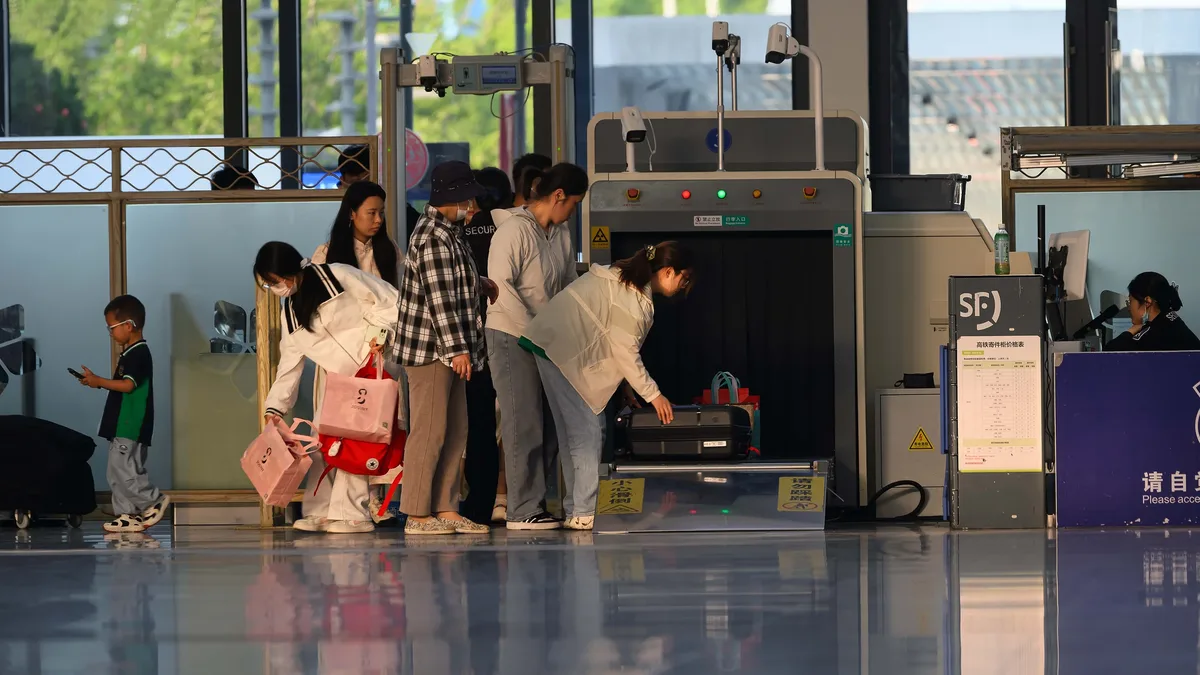
The Transportation Security Administration (TSA) has banned security officers who check passenger documents from sitting at checkpoints, requiring them to stand at all times. The agency states this policy enhances vigilance and makes the flying experience more welcoming for travelers, who may now notice more alert-looking staff.
All chairs and stools are being removed from travel document checker podiums at checkpoint entrances nationwide. The chair removal has already begun at most commercial airports. The TSA did not provide formal notification to the American Federation of Government Employees (AFGE) union or its local chapters before implementing the change. A spokesperson for the TSA said, "This welcome change reinforces both our security posture and our commitment to hospitality by having these officers on their feet and alert."
Union Condemns Policy as Unsafe and Unfair
The American Federation of Government Employees has strongly criticized the standing policy. The union, which represents TSA officers, called it a disregard for workers' rights and safety. It argues the policy ignores workplace safety and the physical strain of prolonged standing on hard surfaces, which officers previously used stools to mitigate.
The change is especially problematic for officers with medical conditions. The AFGE stated that chairs provided basic ergonomic and safety support. The TSA dismissed concerns about officers' ability to stand for extended periods, stating all officers must meet fitness for duty requirements. Union challenges could delay implementation or trigger legal action, which if successful could alter checkpoint operations nationwide.
Policy Implementation and Broader Context
The standing requirement is part of TSA Administrator David Cummins' broader strategy. Cummins, confirmed nearly two months prior to this announcement, is advancing a strategic initiative called Horizon 25. This initiative includes expanding TSA PreCheck, rolling out new technology, and improving passenger experience.
A key component is the expansion of privatized airport security. Cummins announced the agency would push ahead using the existing Screening Partnership Program (SPP) to bring in more private contractors. The controversial Gold+ public-private partnership program is being dropped. Currently, a limited number of airports use SPP contractors.
The number of airports using SPP contractors could be dramatically increased in the years ahead. This expansion forms part of the operational context for the new standing mandate. The TSA stated it does not have to choose between secure, efficient, and elevated passenger experience checkpoints.
The policy shift occurs against a backdrop of recent labor tensions. Last year, former Homeland Security Secretary Kristi Noem attempted to dismantle collective bargaining at the TSA, claiming the AFGE constrained the agency's ability to safeguard aviation. Those efforts were blocked by a federal judge. The ongoing tension between operational changes and union concerns over worker safety and rights continues as the TSA approaches the 25th anniversary of its founding in November.