UK ATC Failure Grounds Hundreds of Flights
A four-hour technical failure in the UK's air traffic control system on September 8, 2026, caused massive disruption, leading to hundreds of cancellations
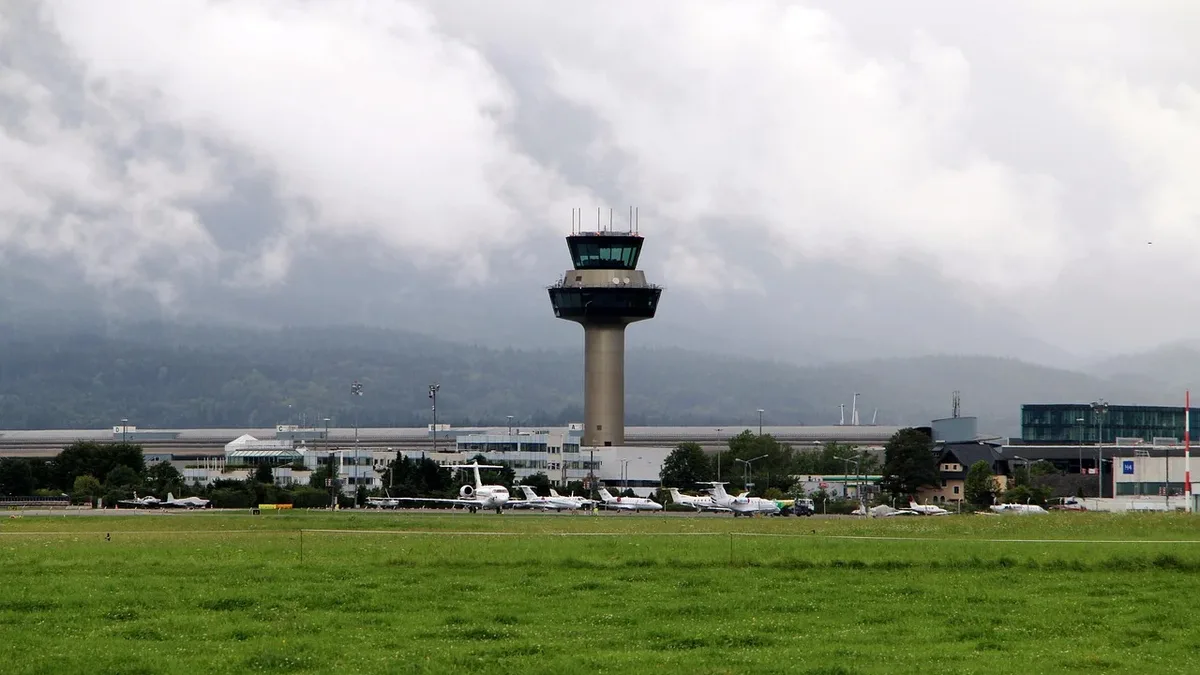
A major technical failure in the United Kingdom's air traffic control system brought aviation to a standstill on Tuesday, September 8, 2026. The outage, which lasted nearly four hours from around 1 PM BST, resulted in hundreds of flight cancellations and severe delays across the country's airports.
The failure was caused by a software bug and technical glitch within systems operated by NATS, the company providing air traffic control services. The issue made the system unusable, preventing flights from taking off and forcing many to divert. The disruption created a logistical nightmare, stranding aircraft and crews out of position long after the technical problem was resolved.
Widespread Airport Disruption
The impact was felt across London's major airports. Data from FlightAware, cited in the source, showed the scale of the cancellations and delays by the end of the day.
| Airport | Flights Canceled | Flights Delayed |
|---|---|---|
| London Heathrow (LHR) | 225 (32%) | 180 (26%) |
| London Gatwick (LGW) | 121 (29%) | 82 (20%) |
| London Stansted (STN) | 54 (17%) | 83 (27%) |
| London Luton (LTN) | 52 (25%) | 35 (17%) |
Operations reportedly proceeded normally in the morning before falling off a cliff. The source described this as one of the largest widespread air traffic control outages seen in a long time.
Passengers Stranded on Heathrow Taxiways
The situation was particularly acute at London Heathrow, the UK's busiest airport. With the airport typically operating near capacity, the failure created a gridlock. Planes continued to land after the outage began, but all gates were occupied. This left arriving aircraft with nowhere to go.
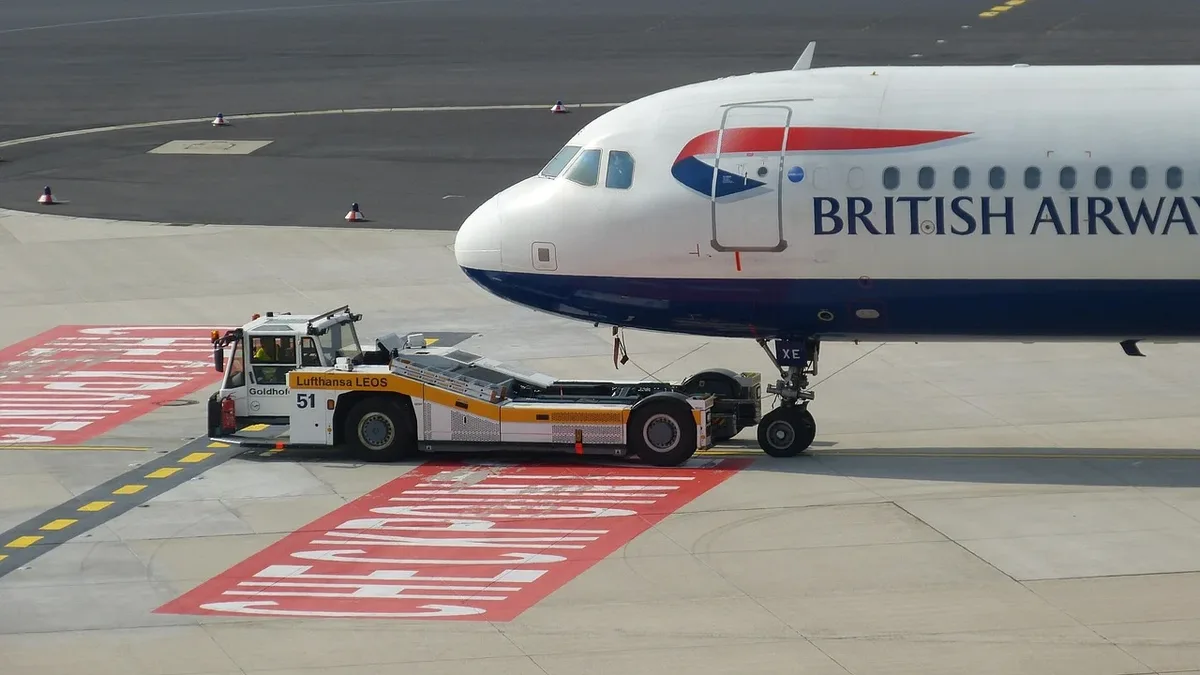
Several flights, with passengers still onboard, were stuck on taxiways for over five hours waiting for an available gate. The source provided specific examples of British Airways flights affected.
One flight from San Diego landed at 2:07 PM and did not reach a gate until 7:42 PM, a wait of five hours and thirty-five minutes. Another from Doha landed at 2:19 PM and waited five hours and twenty-nine minutes. A flight from Mexico City waited five hours and three minutes after landing at 2:46 PM.
The report noted there were many more examples beyond these. It questioned why airports did not deploy alternatives like air stairs and buses to transport passengers to terminals, but acknowledged the taxiways eventually became an "impossible jigsaw puzzle."
Aftermath and Airline Response
The fallout from the four-hour shutdown extended far beyond the initial technical fix. Resuming normal operations was not a simple switch. Aircraft and crews were scattered out of position across the network.
In response to the chaos, British Airways took the drastic step of canceling its entire short-haul operation for the rest of the day. The source characterized it as a "very messy day for aviation in the UK" and suggested the lengthy taxiway delays at Heathrow could be close to a record. The report concluded by asking readers if they were caught up in the disruption.