Airlines tanker fuel due to supply shortages and cost pressures
Airlines are increasingly carrying extra fuel to avoid refuelling at destinations with supply problems, a practice that saves money but increases emissions despite new EU rules designed to limit it.
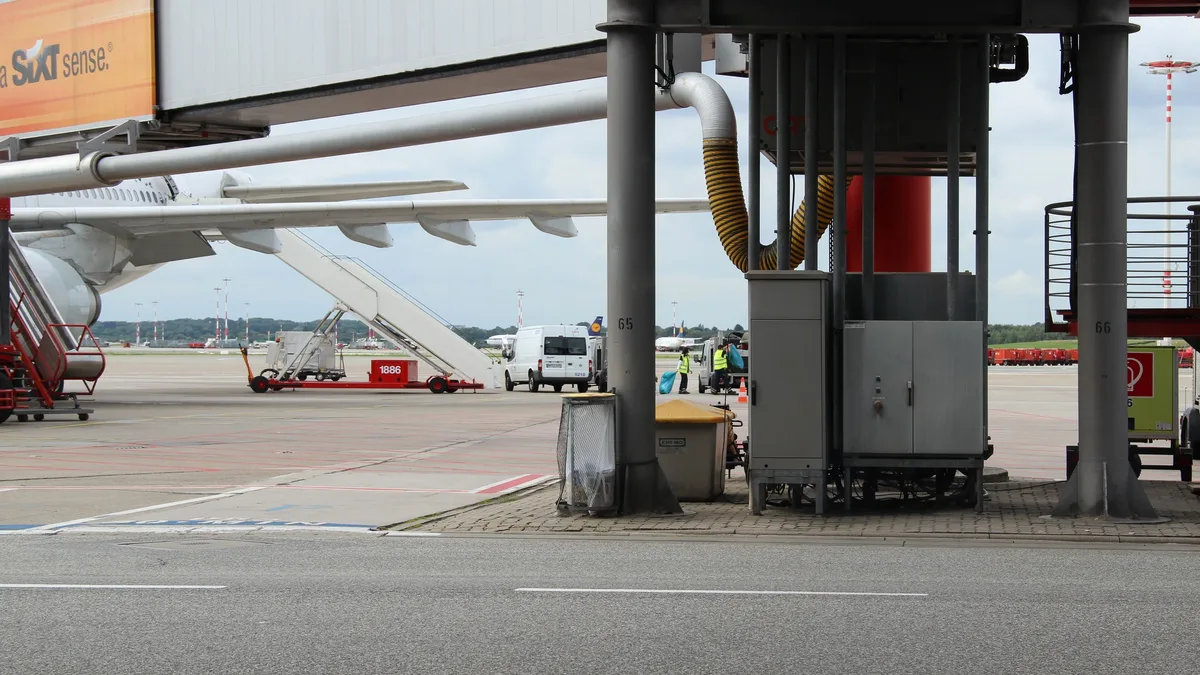
Fuel tankering is when an aircraft carries more fuel than it needs for a flight to reduce or avoid refuelling at the destination airport. The most common reasons are jet fuel shortages at the arrival airport or significant price differences between departure and destination points. Planes are not normally filled to capacity because the extra weight increases fuel burn during the flight. Other operational reasons include ensuring short turnarounds or avoiding poor fuel quality.
Recent examples of tankering due to supply problems
Fuel shortages from delayed deliveries or pipeline issues are forcing airlines to tanker. Heathrow has explicitly asked airlines to bring extra fuel on flights into London due to supply problems. When San Diego recently ran dry, British Airways tankered fuel on its Heathrow flights so only a small top-up was needed before the return journey; at least one flight diverted to Los Angeles for fuel.
A refinery fire caused a jet fuel shortage in Johannesburg. In response, Lufthansa added a fuel stop in Durban on the return leg to Frankfurt, adding over two hours to the journey. The airline later flew empty Boeing 747s to Windhoek in Namibia and back overnight to refuel before operating passenger flights. More recently, Lufthansa instructed crews to tanker fuel into Frankfurt during a supply squeeze this October.
Environmental and regulatory pushback against tankering
Tankering for cost savings is highly controversial due to the increased carbon emissions. A 2019 study by the EUROCONTROL Aviation Intelligence Unit quantified the impact in Europe. The practice results in significant extra fuel burn and CO2 output.
| Metric | Figure |
|---|---|
| Extra annual CO2 emissions in Europe | 901,000 tonnes |
| Extra annual fuel burned in Europe | 286,000 tonnes |
| Net annual saving to airlines in Europe | 265 million euros |
| Extra fuel burn on a 300-nautical-mile trip | 2.2% |
| Extra fuel burn on a 600-nautical-mile trip | 4.7% |
EU rules introduced at the start of 2025, under the ReFuelEU Aviation initiative, aim to restrict tankering done purely for cost reasons. Large airlines must now uplift, on a yearly average basis, around 90% of the required fuel at the departure airport. Compliance is measured over a calendar year, with exemptions possible for safety or operational reasons.
How tankering decisions are made and constrained
Dispatch and flight planning teams typically make tankering decisions using specialised software. This software compares fuel prices, aircraft weight, routes, and operational limits. The captain reviews the final fuel figure and can add more for safety, though standard safety reserves are not reduced by tankering.
Physical and regulatory constraints exist. On long-haul flights where tanks cannot hold enough for a round trip, airlines may add a short fuel stop on the return leg. For shorter flights, aircraft like the A320 family have maximum landing weight limits that cap how much extra fuel can be tankered; in the recent Frankfurt case, this was reported as a limit of eight tonnes of extra fuel.
In Europe, the 2019 EUROCONTROL study found that about 16.5% of flights could tanker fully and 4.5% could tanker partly. The new EU rules require annual reporting, meaning compliance is based on a yearly average uplift rather than being assessed per individual flight. EU rules require large airlines to uplift, on average, around 90% of needed fuel at the departure airport to restrict tankering for cost reasons.