Austrian Airlines
| IATA code | OS |
|---|---|
| Country of origin | Austria |
| First created | 1957 |
| Original use | National flag carrier of Austria |
| Fare inclusions | Varies by fare class (e.g., Economy Light, Classic, Flex) |
| Baggage allowance | Varies by fare class and route |
| Seat selection | Varies by fare class |
| Cancellation policy | Varies by fare class |
| Compensation for failure | Governed by EU Regulation EC 261/2004 for applicable flights |
Origin and history
Austrian Airlines originates from Austria and was created in the late 1950s. Its establishment followed the post-war period when Austria regained its sovereignty and sought to re-establish international air links. The airline was formed through the merger of Air Austria and Austrian Airways, with its inaugural flight taking place in 1958. It was founded with significant backing from the Austrian state, which initially held a majority stake. For decades, it served as Austria's flag carrier, connecting Vienna with major European and intercontinental destinations. The airline joined the Star Alliance global network in the year 2000, marking a significant phase in its strategic development. In 2009, Austrian Airlines became a wholly owned subsidiary of the Lufthansa Group, integrating its operations into a larger European aviation network while retaining its distinct brand identity.
What it is for
Austrian Airlines operates as a network carrier, providing scheduled passenger air transport primarily through its hub at Vienna International Airport. Its core function is to connect Austria with destinations across Europe, the Middle East, North America, Asia, and Africa. The airline facilitates both point-to-point travel and complex itineraries via Vienna, offering connections for business, leisure, and visiting friends and relatives travel. It also operates a significant cargo division, transporting freight in the bellies of its passenger aircraft. Beyond pure transportation, the airline's service structure, including its business class and frequent flyer program (Miles & More), is designed to cater to different market segments. Furthermore, it plays a crucial role in Austria's tourism industry and national economy by providing essential international air access.
Pros and cons
A significant pro is Austrian Airlines' efficient hub structure at Vienna Airport, which is relatively compact and facilitates smooth, often quick connections for transferring passengers. The airline generally maintains high punctuality standards on its short- and medium-haul European network, which is a key advantage for business travelers. The service on board is typically characterized as formal and reliable, with a consistent product across its fleet. A primary con is that its long-haul fleet is smaller and older than some major competitors, which can sometimes lead to more frequent technical delays or a less modern cabin experience on intercontinental routes. Passengers seeking low fares often regret choosing Austrian Airlines for simple point-to-point routes within Europe, where low-cost carriers frequently offer significantly cheaper tickets for a basic service. A common mistake is not comparing the total journey time and cost for connections via Vienna against direct flights or other hubs, as the convenience of the Vienna transfer can sometimes be offset by a longer routing or higher fare.
Who it suits
This airline suits travelers whose itineraries naturally align with its network, particularly those needing to travel to or from Austria or Central and Eastern European destinations efficiently. It is well-suited for business travelers who value schedule reliability, a centralized hub for connections, and the ability to earn and redeem miles within the extensive Star Alliance and Miles & More programs. The airline suits passengers who prefer a full-service experience, including included checked baggage, seat selection, and complimentary meals and drinks, even on short European flights. It is a practical choice for tourists aiming to explore Austria and the surrounding region, as it offers numerous flight options into Vienna. Austrian Airlines also suits travelers who prioritize a smoother, less chaotic transfer experience, as Vienna Airport is generally calmer than some of Europe's larger mega-hubs. However, it is less suited for ultra-price-sensitive leisure travelers on simple routes where a low-cost carrier operates, as they would be paying for services they may not require.
Latest Austrian Airlines news
Latest reporting

Alaska Airlines Aurora premium experience
Alaska Airlines is investing heavily in a new Aurora premium experience, introducing lie-flat Business Class suites on Boeing 787 and 737 MAX 10...

American Airlines Debit Cards Earn AAdvantage Miles
American Airlines has launched two new UK debit cards that earn AAdvantage miles and uncapped Loyalty Points toward elite status on everyday spending
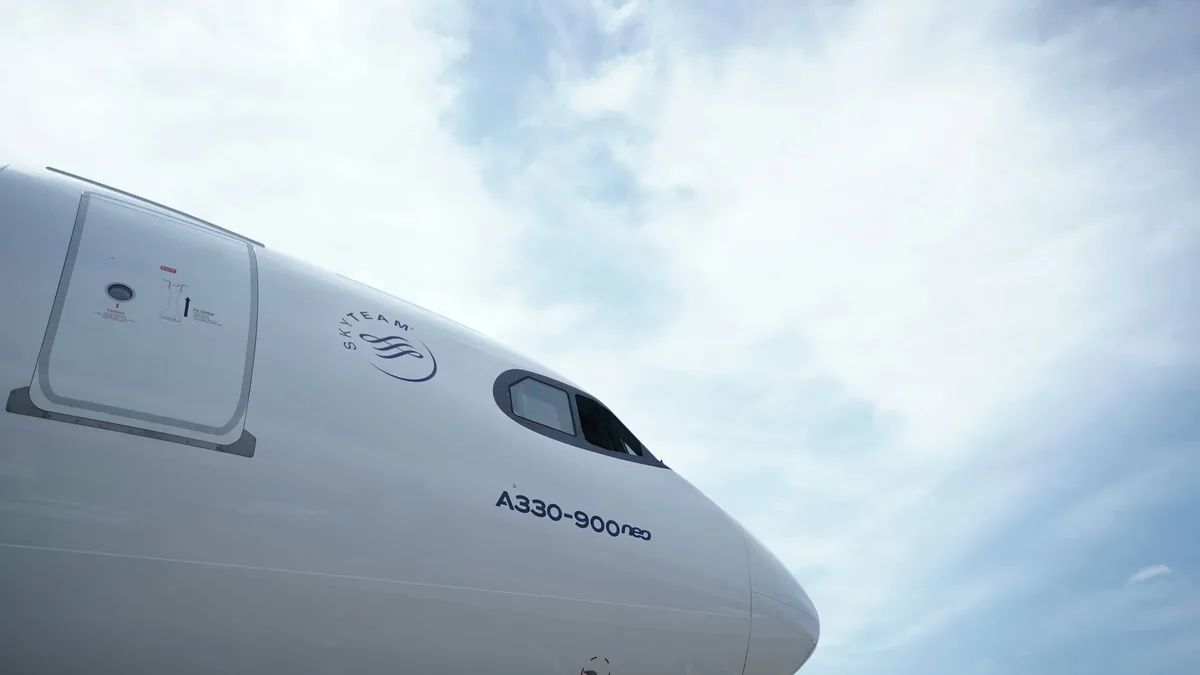
Hawaiian Airlines new Business Class suites A330 2028
Hawaiian Airlines will expand Business Class and add a Premium Reserve cabin on its Airbus A330s, with a fleet-wide retrofit starting in 2028.
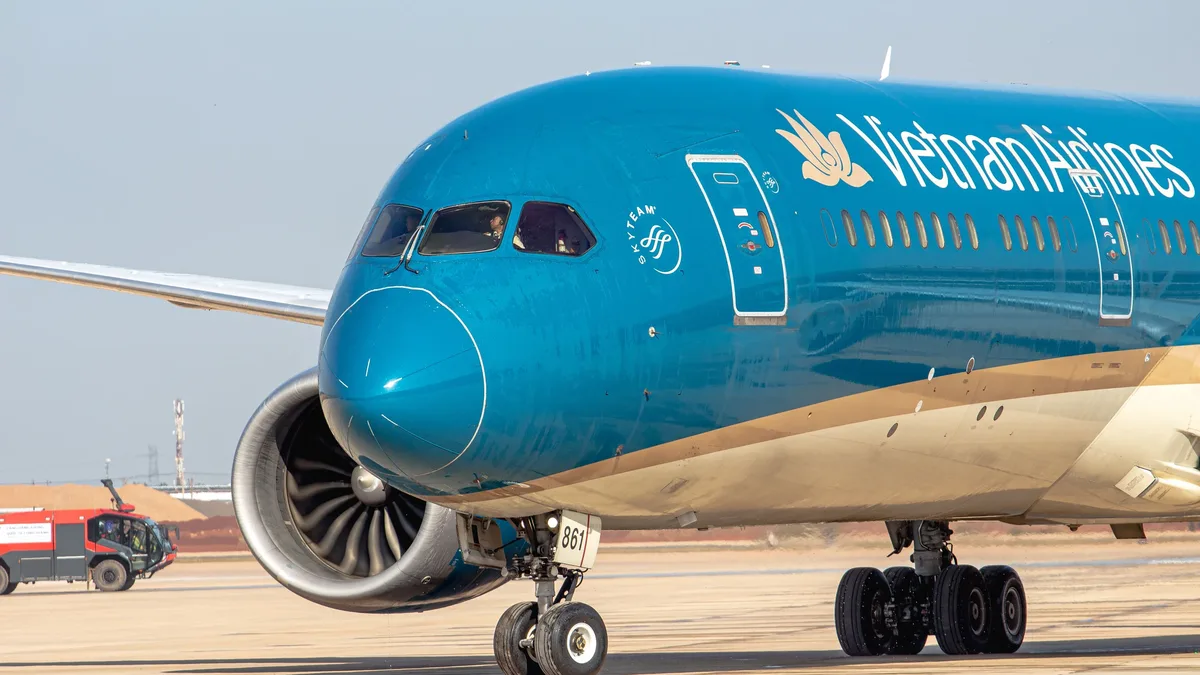
Vietnam Airlines 787-9 runway overrun Munich August 2026
A Vietnam Airlines Boeing 787-9 overran the runway at Munich Airport during takeoff on August 15, 2026, after repeated brake inputs from the captain's
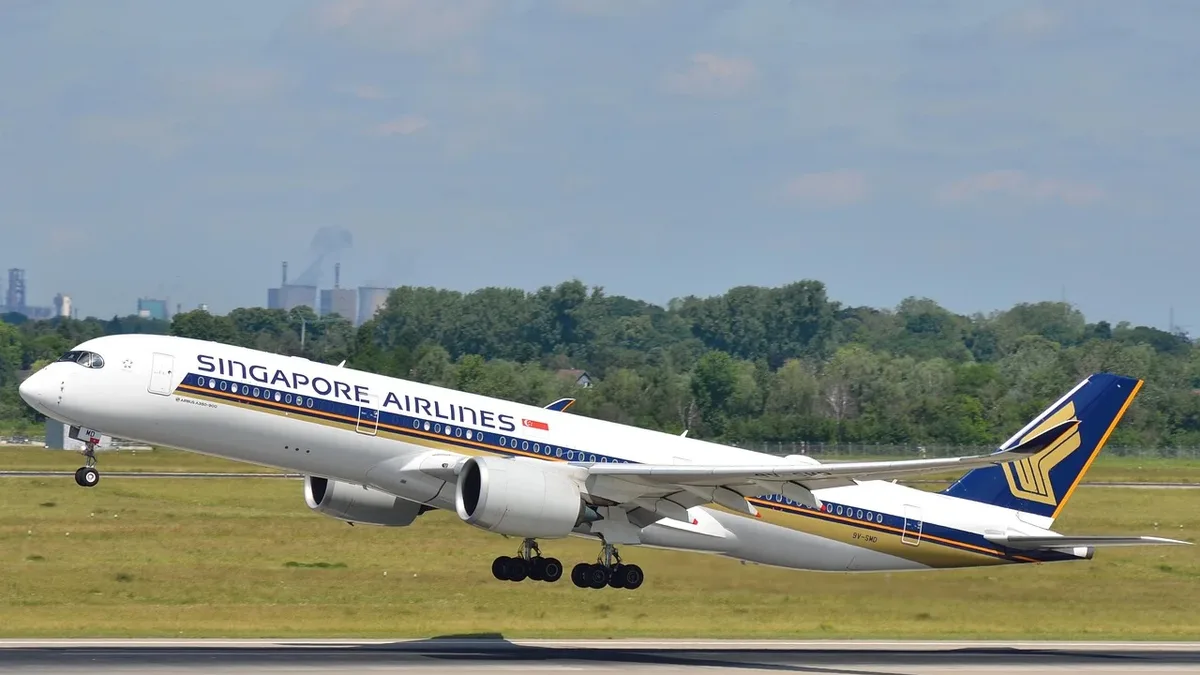
Singapore Airlines launches new dining menu with Christofle
Singapore Airlines is launching a new premium dining experience in November 2026, featuring over 100 new dishes and custom Christofle tableware with...

American Airlines launches automatic seat
American Airlines has introduced an automatic seat change feature in its mobile app for AAdvantage members traveling solo.