Iberia
| Airline alliance | Oneworld |
|---|---|
| Country of origin | Spain |
| First created | 1927 |
| Original use | Air transport between Spain and its colonies |
| Fare inclusion | Varies by ticket class; typically includes seat, carry-on, and checked baggage allowance |
| Baggage allowance | Varies by route and fare class; specified during booking |
| Compensation for failure | Governed by EU Regulation EC 261/2004 for eligible delays, cancellations, and denied boarding |
Origin and history
Iberia is the flag carrier airline of Spain, originating from that country. The airline was founded in the late 1920s, making it one of the oldest still-operating airlines in the world. Its establishment was closely tied to the development of commercial aviation in Europe during the interwar period. For decades, Iberia operated as a state-owned entity, which shaped its network and strategic direction. The airline was privatized in the early 2000s, marking a significant shift in its corporate structure. It is a founding member of the oneworld global airline alliance, which it joined in the late 1990s. The airline's history is deeply intertwined with the connectivity of Spain to its international markets and former colonies.
What it is for
Iberia provides scheduled passenger and cargo air transportation services globally. Its primary function is to connect Spain with destinations across Europe, the Americas, Africa, and the Middle East. The airline operates a hub-and-spoke model centered on its main base at Madrid-Barajas Airport, facilitating connections for travelers. It serves the purpose of offering various travel classes, including Economy, Premium Economy, Business, and First Class on long-haul routes. Iberia also provides vacation package services through its Iberia Vacations division. Furthermore, the airline operates a regional subsidiary, Iberia Regional/Air Nostrum, which serves domestic and short-haul European routes with smaller aircraft.
Pros and cons
A significant pro is Iberia's extensive network across Latin America, leveraging historical cultural and economic ties to offer frequent and well-connected services. The airline's membership in the oneworld alliance provides valuable mileage earning and redemption opportunities with partner airlines. However, a common criticism involves inconsistent customer service experiences, particularly during irregular operations like flight delays or cancellations. Travelers sometimes report challenges in reaching customer service representatives for post-travel issues or compensation claims. The airline's long-haul Business Class product is generally well-regarded, while its short-haul European Economy service is often considered basic and comparable to other European network carriers. Passengers who prioritize seamless connections through Madrid and destinations in Latin America are typically satisfied, whereas those who experience service disruptions without robust support often regret their choice.
Who it suits
Iberia suits travelers whose itineraries originate, terminate, or connect through Madrid, as the network is optimized for this hub. It is a logical choice for passengers traveling between Europe and Latin America due to the frequency and breadth of routes offered. The airline appeals to members of the oneworld alliance frequent flyer programs, particularly those accruing Avios points through Iberia Plus or partner programs. Business travelers on routes where Iberia offers competitive schedules and its full-service model, including lounge access, may find it suitable. It is less suited for travelers seeking the lowest possible base fare on point-to-point routes within Europe, where low-cost carriers often undercut its prices. Passengers who are self-reliant in managing bookings and understanding EU passenger rights may navigate its systems more effectively than those expecting high-touch customer service throughout their journey.
Latest Iberia news
Latest reporting
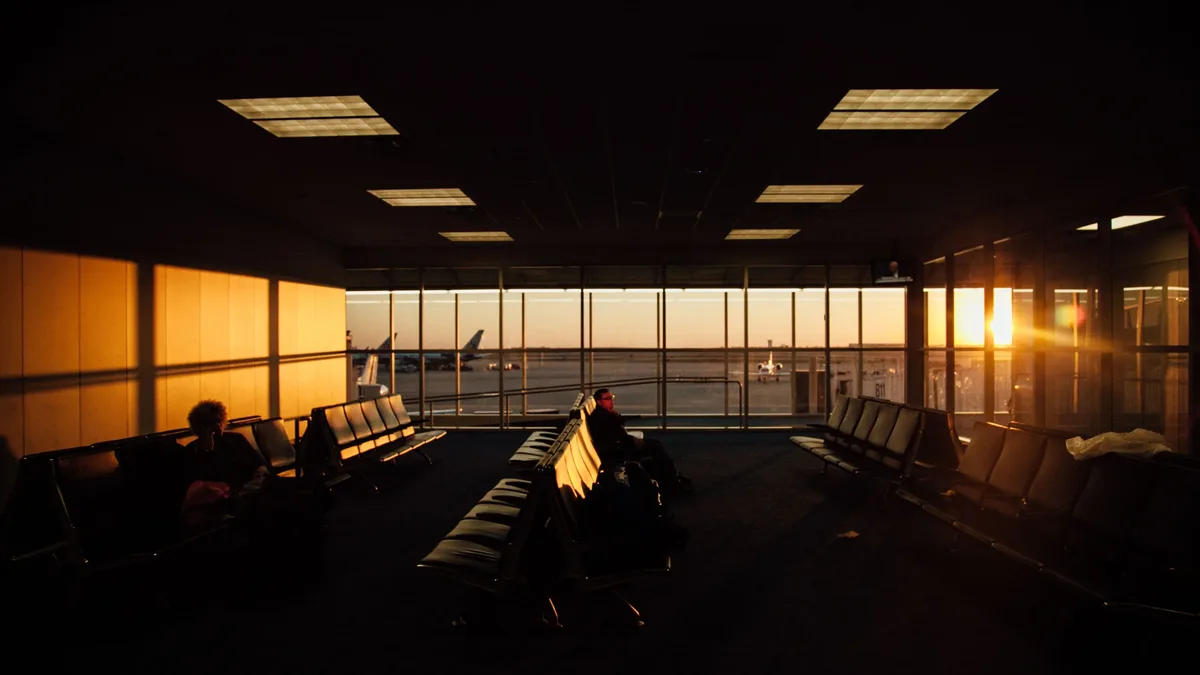
Iberia opens new Sorolla Emerald Lounge for BA Gold members
Iberia has officially opened its new Sorolla Emerald Lounge in Madrid's Terminal 4, designed for top-tier oneworld alliance members.
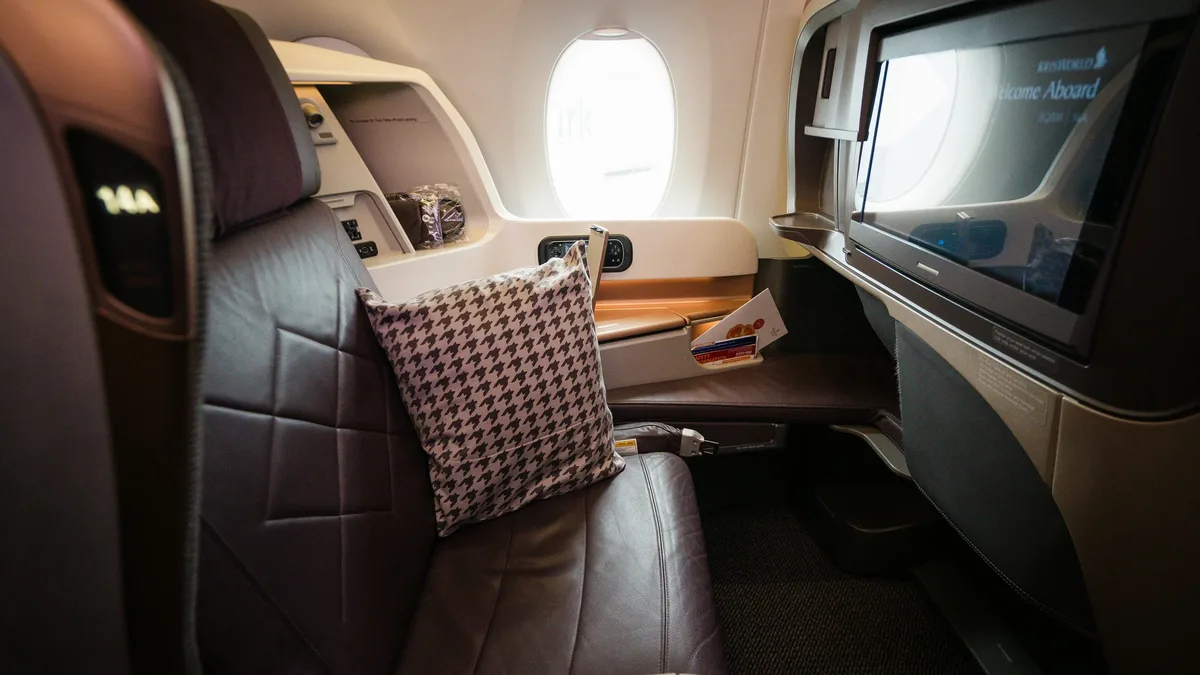
Iberia to retrofit fleet with new business
Iberia's Chief Customer Officer Beatriz Guillen confirmed a new, proprietary business class seat will debut in 2027 as part of a €6 billion investment