Pegasus Airlines
| Country of origin | Turkey |
|---|---|
| Original use | Low-cost passenger airline |
| Fare inclusion | Seat and hand luggage only, checked baggage extra |
| Booking platform | Own website and mobile app, third-party online travel agents |
| Baggage allowance | Varies by fare type, paid add-ons available |
| Fare rules | Non-refundable, changes and modifications for a fee |
| Delay compensation | Subject to Turkish Regulation EC 261/2004 for eligible delays |
Origin and history
Pegasus Airlines is a low-cost carrier founded in Turkey. Its establishment occurred in the late 1980s, initially beginning operations as a charter airline for a Turkish tourism group. The airline transitioned to its current low-cost business model in the early 2000s, marking a significant shift in its operational strategy. This rebranding and strategic pivot positioned it to compete directly in the growing European and Middle Eastern budget travel market. The airline's main operational base has consistently been Istanbul Sabiha Gökçen International Airport on the Asian side of the city. Over the decades, it has expanded its route network from primarily domestic Turkish destinations to a wide array of international connections.
What it is for
Pegasus Airlines operates as a low-cost carrier, providing point-to-point air transportation. Its primary function is to offer basic airfare for travel, predominantly across Turkey, Europe, the Middle East, and parts of Asia and Africa. The airline's business model is designed to separate the core cost of transportation from additional services. Consequently, the base fare typically covers only a seat on the aircraft and one small personal item that fits under the seat. All other amenities, including checked baggage, cabin baggage for the overhead bin, seat selection, and onboard food and beverages, incur separate fees. This structure allows passengers to pay only for the specific extras they require.
Pros and cons
A primary advantage of Pegasus Airlines is its extensive network of destinations across Turkey and its frequent, competitively priced flights on many routes. The airline's point-to-point model can result in significantly lower upfront costs for travelers who pack lightly and do not require frills. However, a significant drawback is the potential for high cumulative costs when adding necessary extras, which can sometimes bring the total price close to that of a full-service carrier. Common passenger regrets involve unexpected fees at the airport for baggage or check-in issues, often stemming from a misunderstanding of the strict fare rules. Operational reliability can be a concern, with a higher propensity for schedule changes, delays, or cancellations compared to some legacy carriers, complicating tight travel itineraries. The customer service process for resolving disruptions is frequently reported as challenging and slow, requiring substantial passenger effort to secure owed compensation or refunds.
Who it suits
Pegasus Airlines suits budget-conscious travelers who prioritize low base fare above all else and are traveling with minimal luggage. It is a practical choice for passengers on simple point-to-point journeys, particularly within Turkey or between Turkey and major European cities, who can be flexible in the event of schedule changes. The airline is less suitable for families with young children requiring assigned seating, groups wishing to sit together, or travelers with precise connecting flights on separate tickets, due to the risk of disruption. It is also a poor fit for those who value included amenities, predictable customer service, or who are unfamiliar with the rigorous add-on selection process required during booking. Experienced, independent travelers who understand the low-cost model and their passenger rights are best positioned to use the airline effectively.
Latest Pegasus Airlines news
Latest reporting
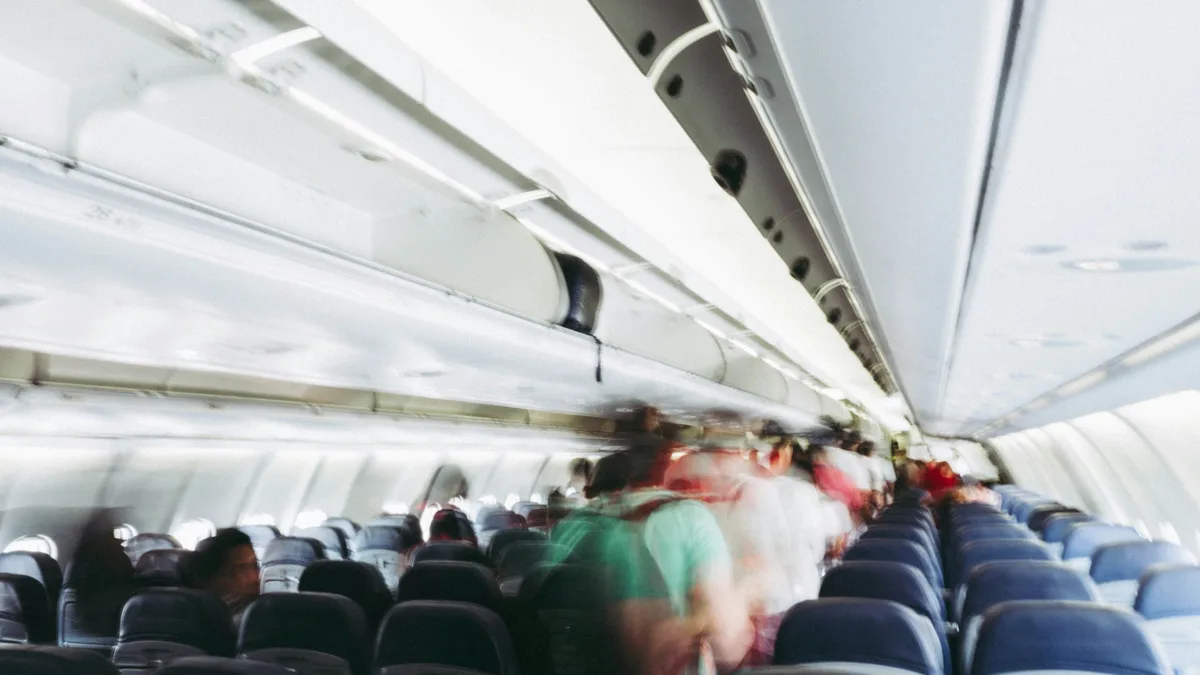
Alaska Airlines Aurora premium experience
Alaska Airlines is investing heavily in a new Aurora premium experience, introducing lie-flat Business Class suites on Boeing 787 and 737 MAX 10...
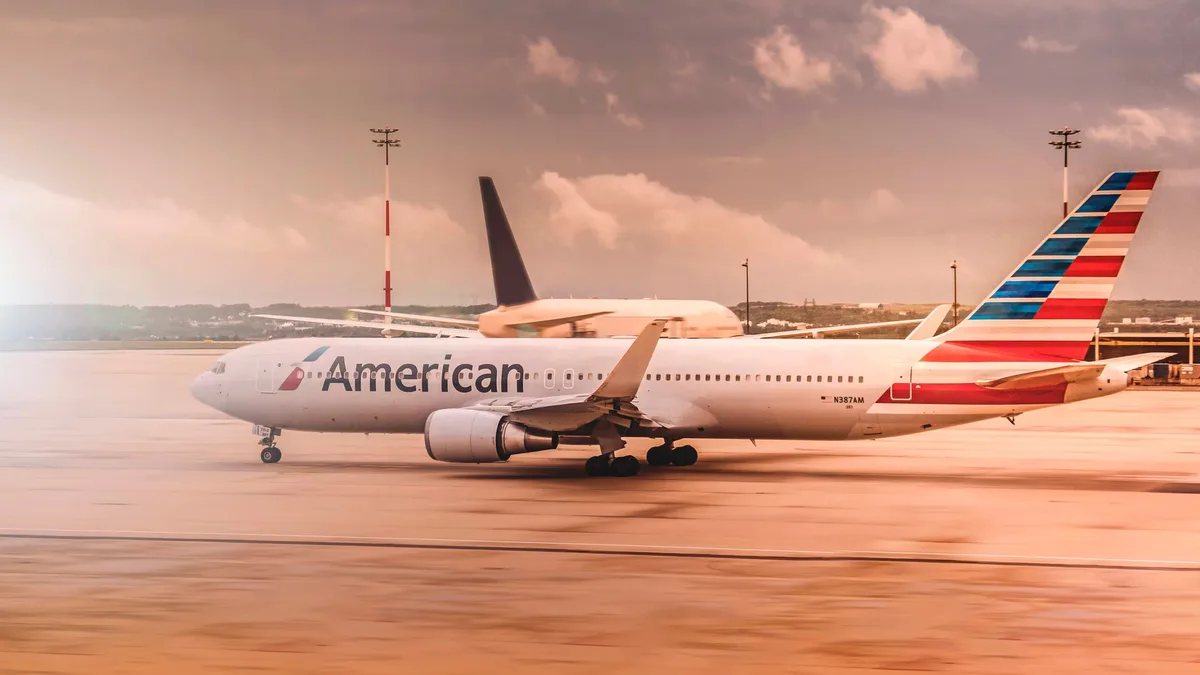
American Airlines Debit Cards Earn AAdvantage Miles
American Airlines has launched two new UK debit cards that earn AAdvantage miles and uncapped Loyalty Points toward elite status on everyday spending
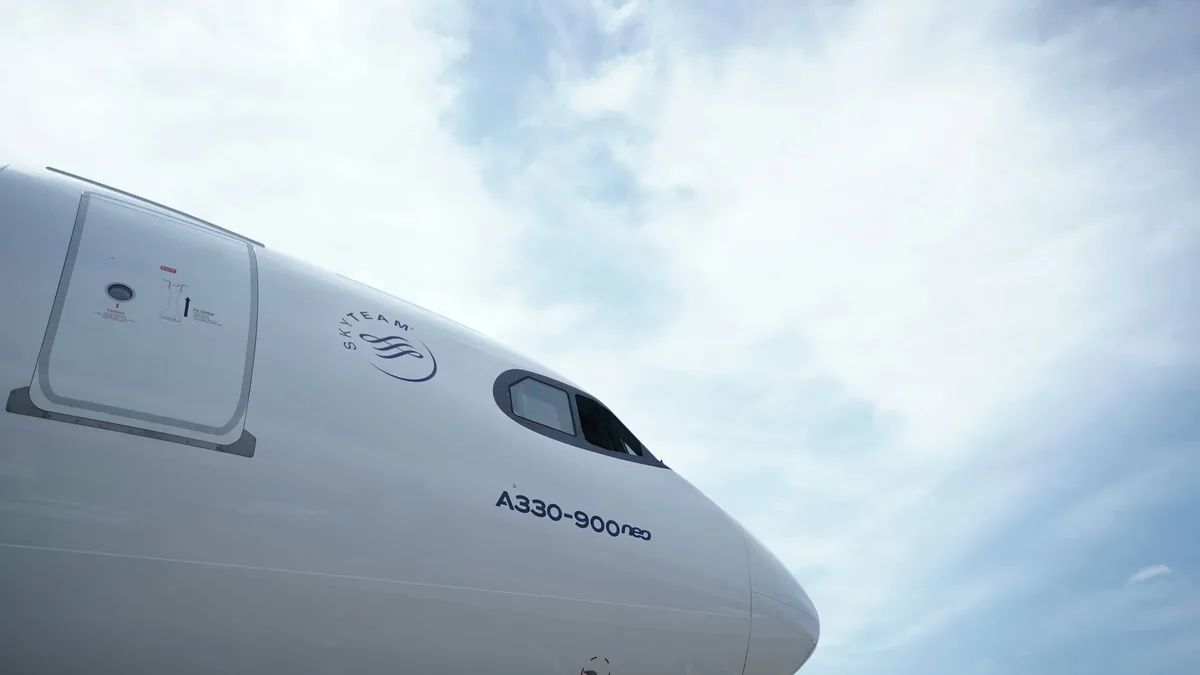
Hawaiian Airlines new Business Class suites A330 2028
Hawaiian Airlines will expand Business Class and add a Premium Reserve cabin on its Airbus A330s, with a fleet-wide retrofit starting in 2028.
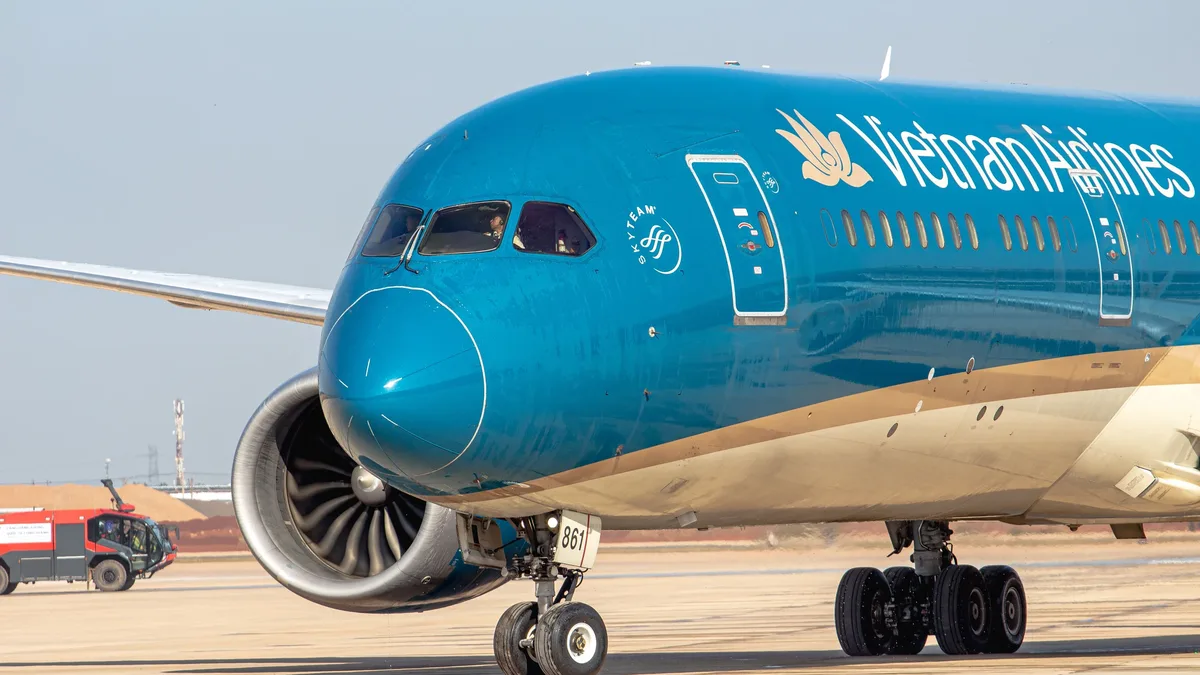
Vietnam Airlines 787-9 runway overrun Munich August 2026
A Vietnam Airlines Boeing 787-9 overran the runway at Munich Airport during takeoff on August 15, 2026, after repeated brake inputs from the captain's
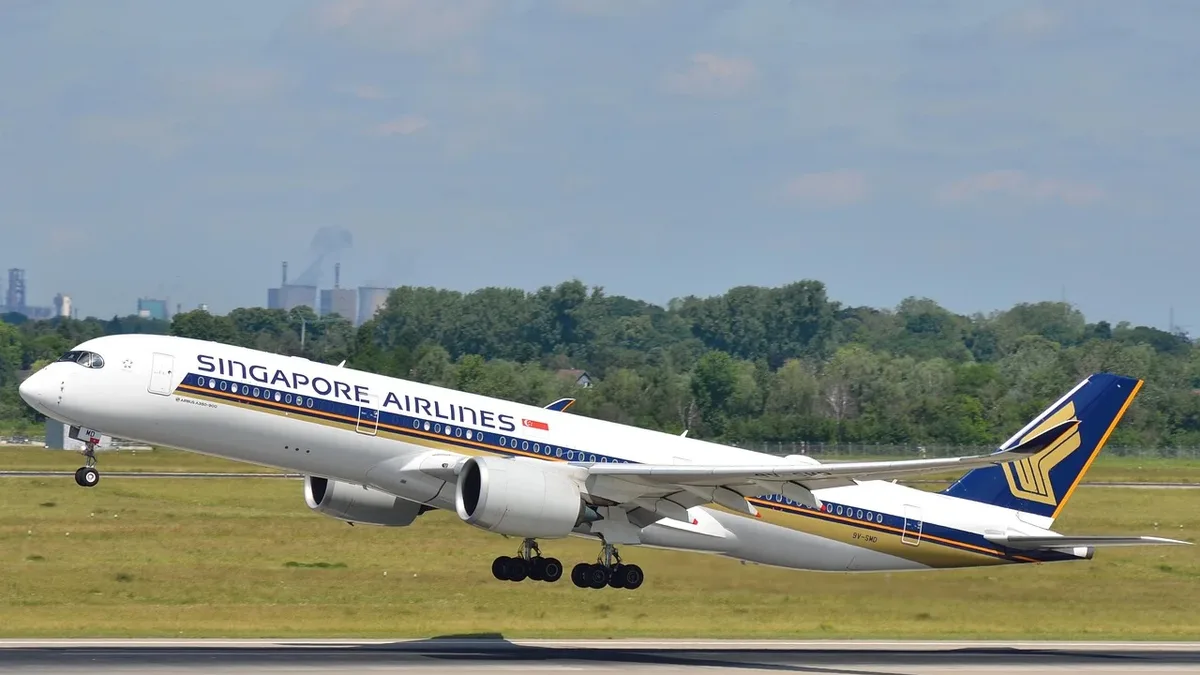
Singapore Airlines launches new dining menu with Christofle
Singapore Airlines is launching a new premium dining experience in November 2026, featuring over 100 new dishes and custom Christofle tableware with...
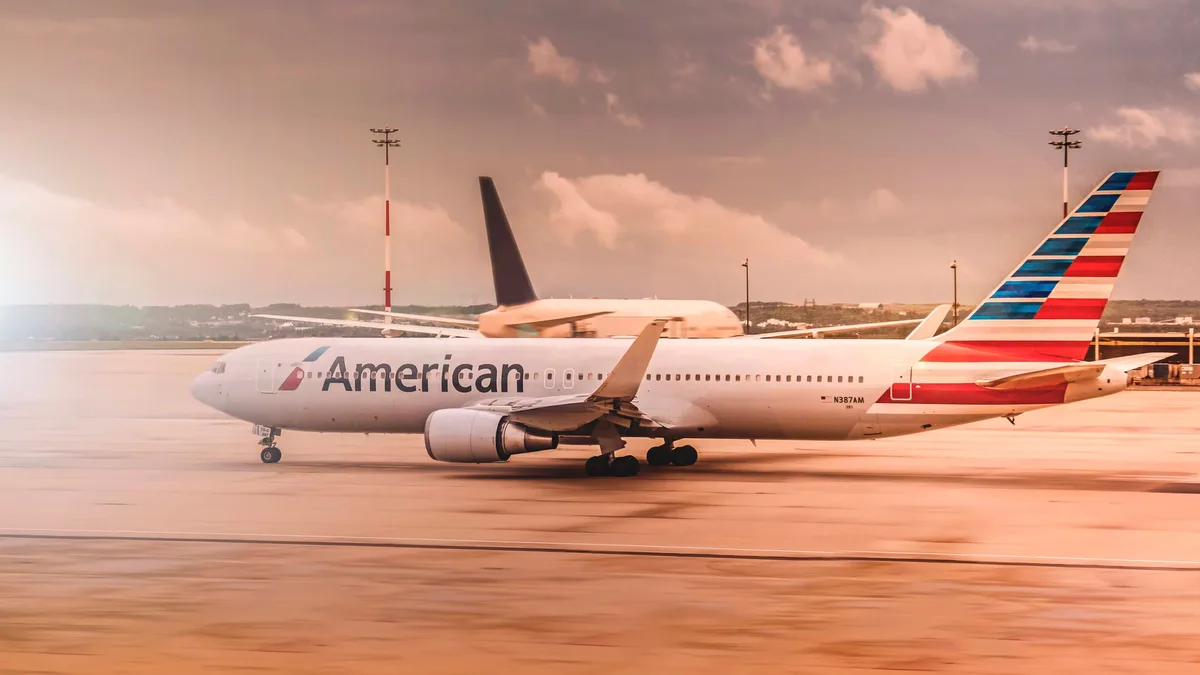
American Airlines launches automatic seat
American Airlines has introduced an automatic seat change feature in its mobile app for AAdvantage members traveling solo.