Turkish Airlines
| Airline code | TK |
|---|---|
| Headquarters location | Istanbul, Turkey |
| Hubs | Istanbul Airport (IST), Istanbul Sabiha Gökçen Airport (SAW) |
| Fleet size | 300+ aircraft |
| Frequent-flyer program | Miles&Smiles |
| Baggage allowance | Varies by fare class and route |
| Refund eligibility | Depends on fare rules and ticket type |
| Flight change policy | Subject to fare conditions and fees |
Origin and history
Turkish Airlines originates from the Republic of Turkey. The airline was founded in the early 1930s as a department of the country's Ministry of National Defense. Its initial fleet consisted of just five aircraft, and its early operations were focused on domestic routes within Turkey. The carrier was later transferred to the Ministry of Public Works and then to the Ministry of Transportation. By the 1950s, the airline had begun operating international flights to nearby European capitals. The airline underwent a significant transformation in the latter part of the 20th century, evolving from a state-owned flag carrier into a publicly traded company with a vastly expanded global network.
What it is for
Turkish Airlines operates as Turkey's flag carrier, providing scheduled passenger and cargo air transport services. Its primary function is to connect a vast network of international destinations across Europe, Asia, Africa, and the Americas through its major hub at Istanbul Airport. The airline serves to facilitate tourism and business travel to and from Turkey, acting as a key bridge between continents. It also operates an extensive domestic network, linking cities across Turkey to its international gateway. The carrier offers various travel classes, including Economy, Comfort Class (on specific aircraft), and Business Class, catering to different passenger needs and budgets. Furthermore, its cargo division utilizes both dedicated freighters and passenger aircraft belly holds to transport goods worldwide.
Pros and cons
A significant advantage of Turkish Airlines is its exceptionally broad network, particularly offering direct connectivity to more countries than almost any other carrier, which is invaluable for complex multi-city itineraries. The hub experience at the new Istanbul Airport is modern and efficient for connections, though transit times can be lengthy due to the terminal's vast size. The airline's economy class service is generally noted for including a complimentary meal and checked baggage allowance on most long-haul routes, which many competitors now charge for separately. A common complaint involves operational reliability, where flight delays or cancellations, particularly on European or domestic sectors, can occur and customer service responsiveness during such disruptions may be slow and frustrating. The quality of the hard product, such as seat comfort and in-flight entertainment, can vary significantly depending on the specific aircraft type assigned to a route, leading to an inconsistent passenger experience. While business class on newer aircraft is highly competitive, some older long-haul configurations feel dated, and the airline's complex fare families can be confusing, leading passengers to accidentally purchase restrictive tickets without realizing the limitations.
Who it suits
Turkish Airlines suits travelers whose primary need is extensive geographical reach, especially for itineraries involving destinations in Africa, the Middle East, or Central Asia that are poorly served by other major network carriers. It is a practical choice for cost-conscious travelers seeking a full-service experience on long-haul flights, as the included amenities often provide better value than European budget carriers or legacy airlines with bare fares. The airline is well-suited for passengers comfortable with a hub-and-spoke model who do not mind connecting in Istanbul, which is geographically convenient for travel between many global points. It appeals to those who prioritize in-flight catering, as the airline emphasizes its food service and often provides complimentary meals even on shorter European sectors. However, it is less suitable for travelers with tight, inflexible schedules who cannot risk potential delays or who require immediate and straightforward customer service resolution when problems arise. It is also a less ideal choice for passengers who highly value consistency, as the variation in aircraft and service can make it difficult to know exactly what product will be received.
Latest Turkish Airlines news
Latest reporting
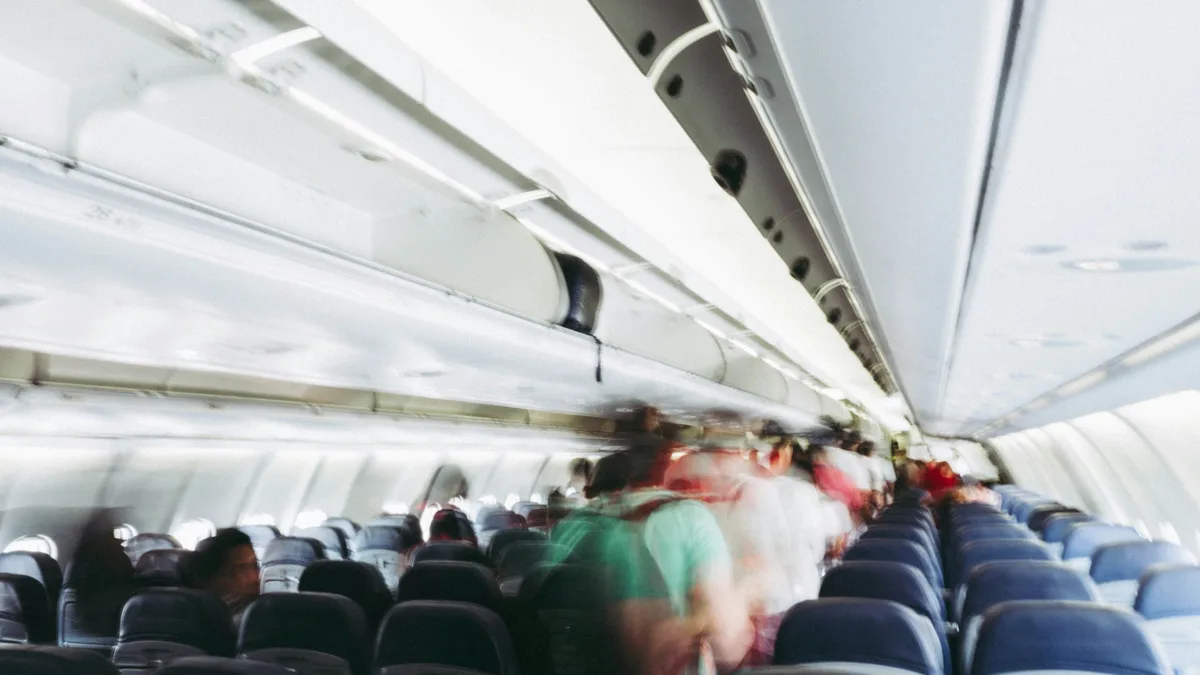
Alaska Airlines Aurora premium experience
Alaska Airlines is investing heavily in a new Aurora premium experience, introducing lie-flat Business Class suites on Boeing 787 and 737 MAX 10...
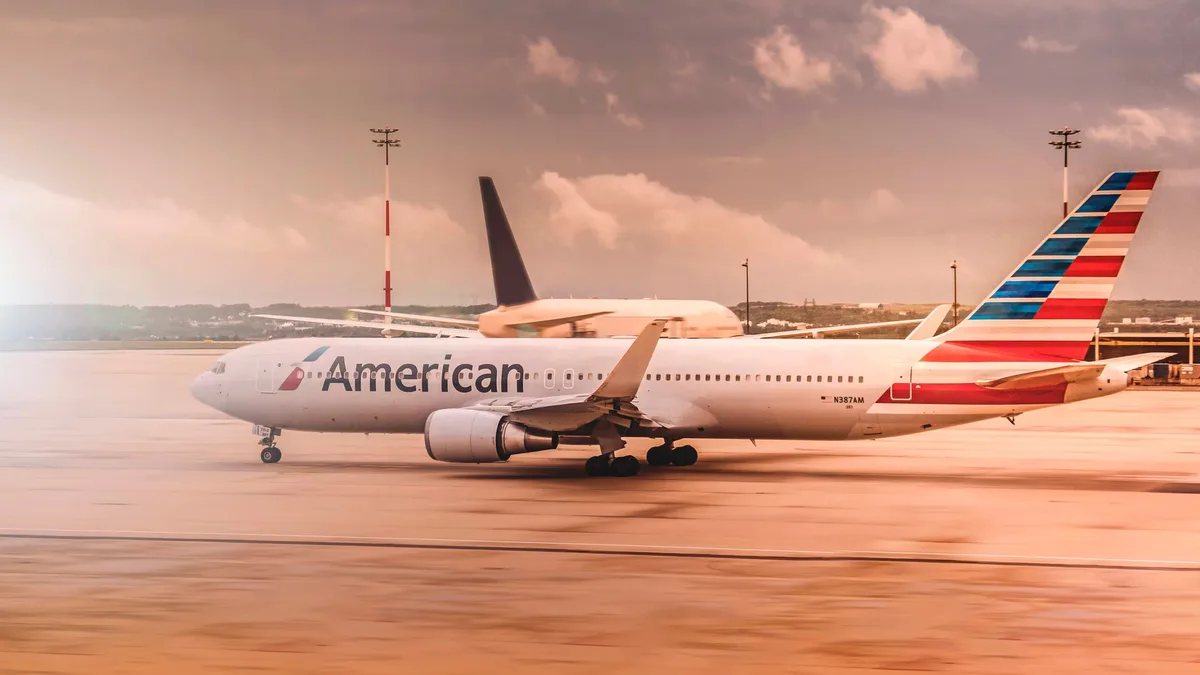
American Airlines Debit Cards Earn AAdvantage Miles
American Airlines has launched two new UK debit cards that earn AAdvantage miles and uncapped Loyalty Points toward elite status on everyday spending
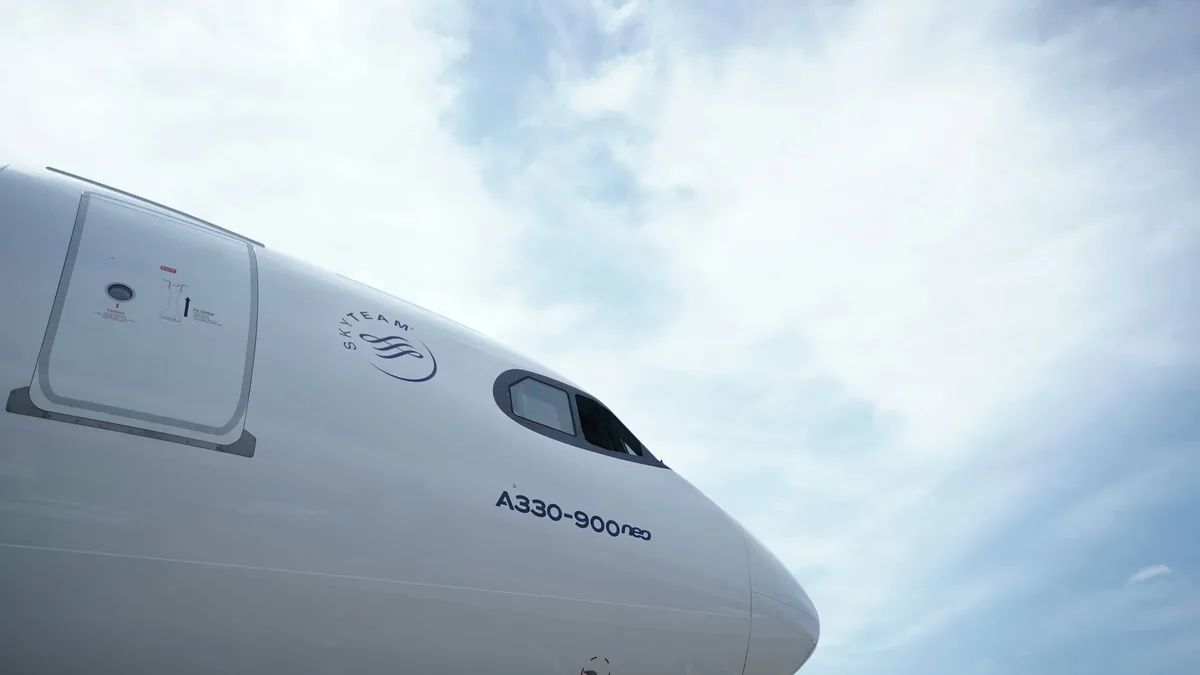
Hawaiian Airlines new Business Class suites A330 2028
Hawaiian Airlines will expand Business Class and add a Premium Reserve cabin on its Airbus A330s, with a fleet-wide retrofit starting in 2028.
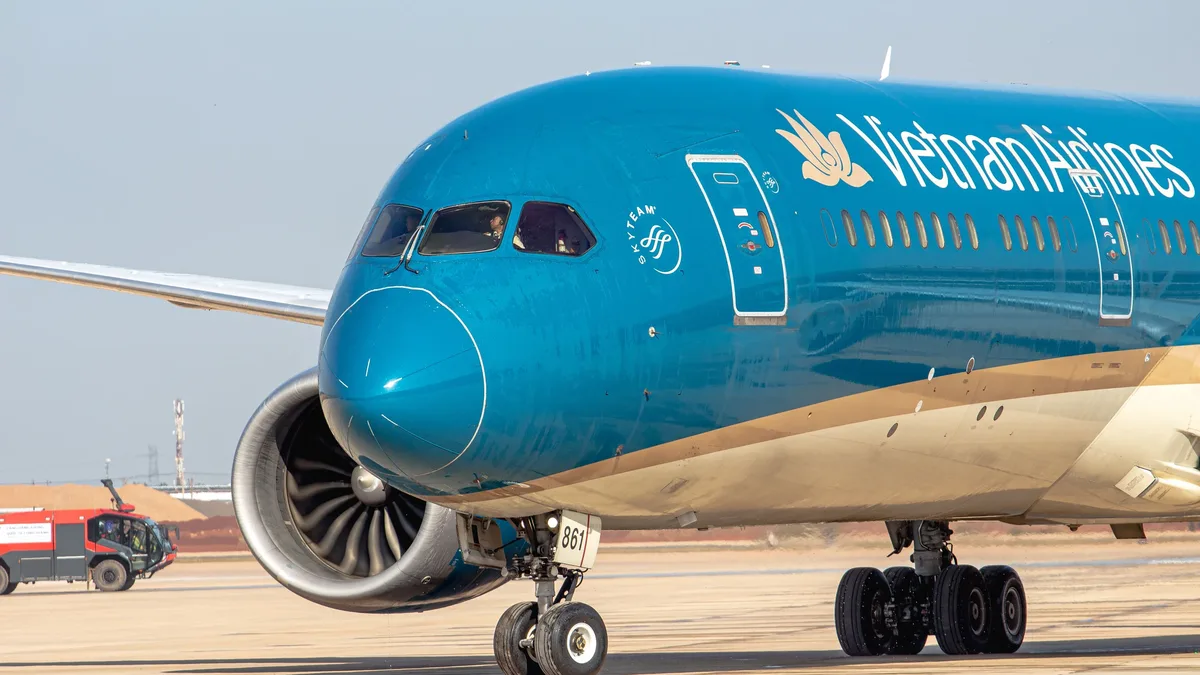
Vietnam Airlines 787-9 runway overrun Munich August 2026
A Vietnam Airlines Boeing 787-9 overran the runway at Munich Airport during takeoff on August 15, 2026, after repeated brake inputs from the captain's
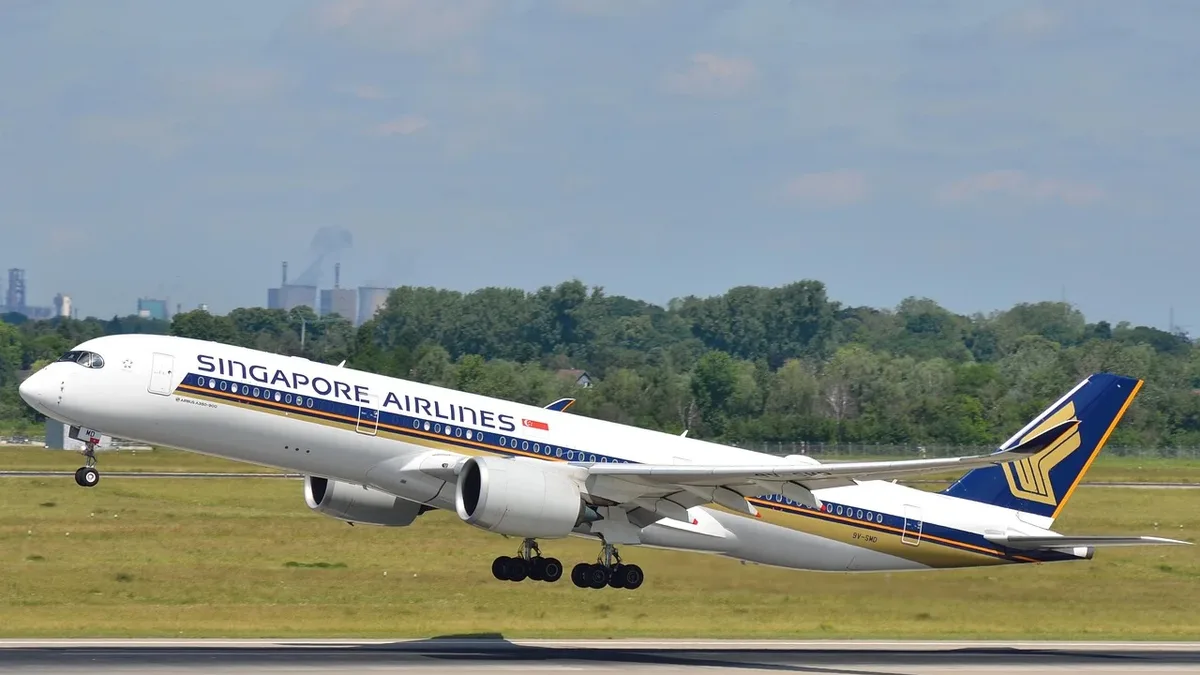
Singapore Airlines launches new dining menu with Christofle
Singapore Airlines is launching a new premium dining experience in November 2026, featuring over 100 new dishes and custom Christofle tableware with...
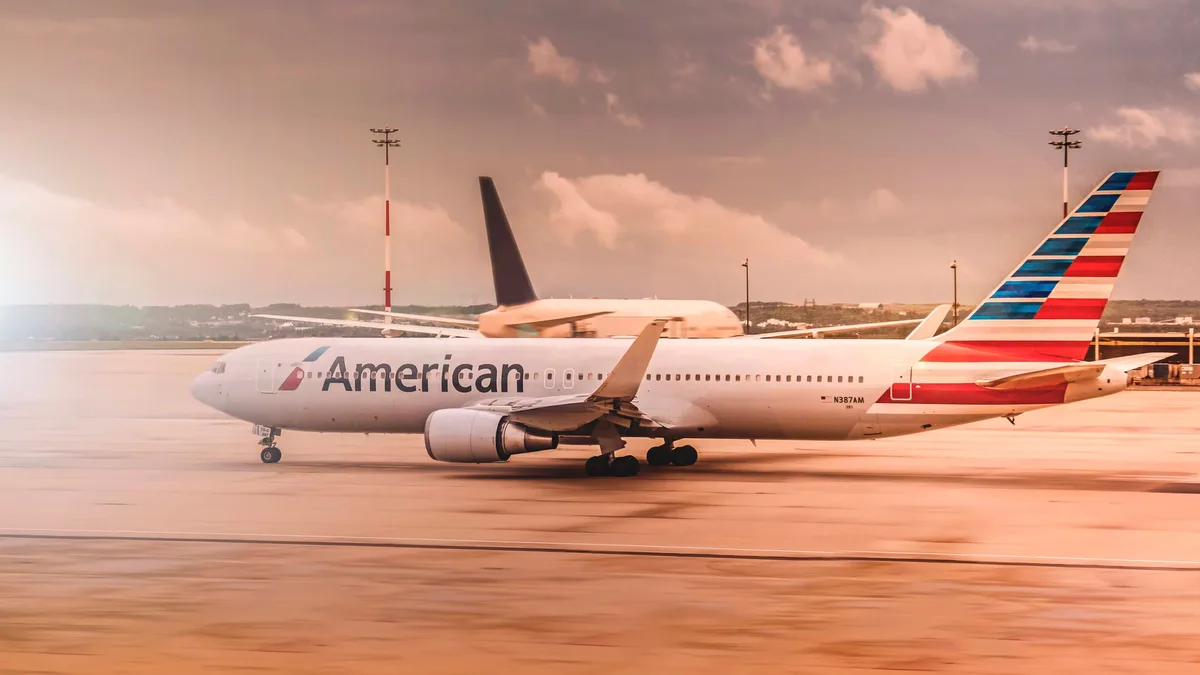
American Airlines launches automatic seat
American Airlines has introduced an automatic seat change feature in its mobile app for AAdvantage members traveling solo.