
Heathrow
| Airline type | Scheduled passenger |
|---|---|
| Country of origin | United Kingdom |
| First created | 1978 |
| Original use | Low-cost, no-frills air travel |
| Headquarters location | London Luton Airport |
| Primary operating bases | London Luton Airport, London Gatwick Airport |
| Fleet composition | Airbus A320 family aircraft |
| Service model | Point-to-point, single-class |
Origin and history
Heathrow is a major international airport located in London, United Kingdom. Its origins date to the late 1920s when the land was used as a small airfield for private aviation. The site was developed more substantially in the 1930s for aircraft assembly and testing. The airport was formally requisitioned for military use by the Royal Air Force during the Second World War. Civilian commercial operations began in earnest in the post-war period of the late 1940s. It has since undergone continuous expansion to become one of the world's busiest international passenger hubs.
What it is for
Heathrow Airport functions as the primary gateway for air travel to and from the United Kingdom. Its core purpose is to facilitate the movement of passengers and cargo on a global scale through scheduled commercial flights. The airport provides the necessary infrastructure for airlines to operate, including runways, terminals, and ground handling services. It serves as a major connecting hub for journeys between continents, particularly for flights linking Europe, North America, and Asia. The facility also supports economic activity through retail, hospitality, and logistics operations within its boundaries. Its role extends beyond transportation, as it is a critical piece of national infrastructure for trade and tourism.
Heathrow legroom
Legroom, or seat pitch, on flights to and from Heathrow is not determined by the airport itself but by the individual airlines operating there. Passengers must investigate the specific seat specifications for the airline and fare class they have booked. Full-service carriers typically offer more legroom in their standard economy cabins compared to many low-cost carriers. Airlines often provide the option to purchase seats with extra legroom, such as exit row or bulkhead seats, for an additional fee. The actual measurement can vary significantly even within the same aircraft type depending on the airline's configuration. There is no standard Heathrow legroom measurement applicable to all flights departing the airport.
Overview
Heathrow operates four passenger terminals (Terminals 2, 3, 4, and 5) and handles over a thousand flights daily. It is a base for numerous international airlines, with British Airways using it as its primary global hub. The airport features extensive shopping, dining, and lounge facilities across its terminals. Transportation links to central London include the Underground (Piccadilly Line), the Heathrow Express rail service, coaches, and taxis. As a major hub, a significant proportion of passengers are transferring between flights rather than starting or ending their journey in London. Its operations are subject to strict regulations, including a passenger cap and noise restrictions, which influence flight schedules.
What to know
Fares for flights to or from Heathrow are set by airlines, not the airport, and are found on airline websites, online travel agencies, and flight comparison engines. The base fare typically includes a seat and standard cabin baggage; checked luggage, seat selection, and meals often cost extra. When a flight from Heathrow is cancelled or significantly delayed, passenger rights are governed by UK Regulation EC 261/2004, which may entitle you to care (meals, accommodation) and financial compensation depending on the cause and distance of the flight. Ground transportation between terminals can be necessary and is provided free of charge via shuttle trains or buses. Security and passport control queues can be lengthy, particularly during peak periods, requiring ample pre-flight time. The airport charges an Air Passenger Duty, which is usually included in the ticket price.
Common questions
A common question is which terminal a specific flight departs from, which must be checked with the airline close to travel as assignments can change. Passengers often ask about the fastest transport link to London, which is the Heathrow Express train to Paddington Station. Many inquire about luggage storage facilities, which are available in all terminals for a fee. Travelers frequently seek clarification on compensation rules for delays, which depend on the flight distance and whether the disruption was within the airline's control. Questions regarding the permitted liquids in hand luggage refer to the standard UK rule of containers no larger than 100ml carried in a single transparent bag. People also commonly ask about hotel options within the airport complex for long layovers.
Pros and cons
A primary advantage is Heathrow's vast global network, offering direct flights to more destinations worldwide than any other UK airport. The extensive facilities and transportation links provide convenience for most travelers. A significant disadvantage is its reputation for congestion, resulting in potentially long queues at check-in, security, and immigration. Delays due to air traffic control constraints or operational incidents are not uncommon and can cause missed connections. Passengers who regret flying via Heathrow are often those with tight connection times who encounter terminal transfers and security re-screening. The common mistake is underestimating the time required to navigate between flights or to clear arrivals, especially for inexperienced travelers.
Who it suits
Heathrow best suits passengers seeking non-stop long-haul flights to a wide variety of international destinations. It is ideal for business travelers and those willing to pay a premium for the most direct routing and extensive flight schedules. The airport suits passengers who value having multiple airline options and frequent departures for flexibility. It is less suited to budget-conscious travelers seeking the absolute lowest fares, as charges and airline operating costs at Heathrow often make tickets more expensive than from smaller airports. It can be challenging for passengers with mobility issues or those unfamiliar with large airports due to the considerable walking distances and complex layout.
Latest Heathrow news
Latest reporting
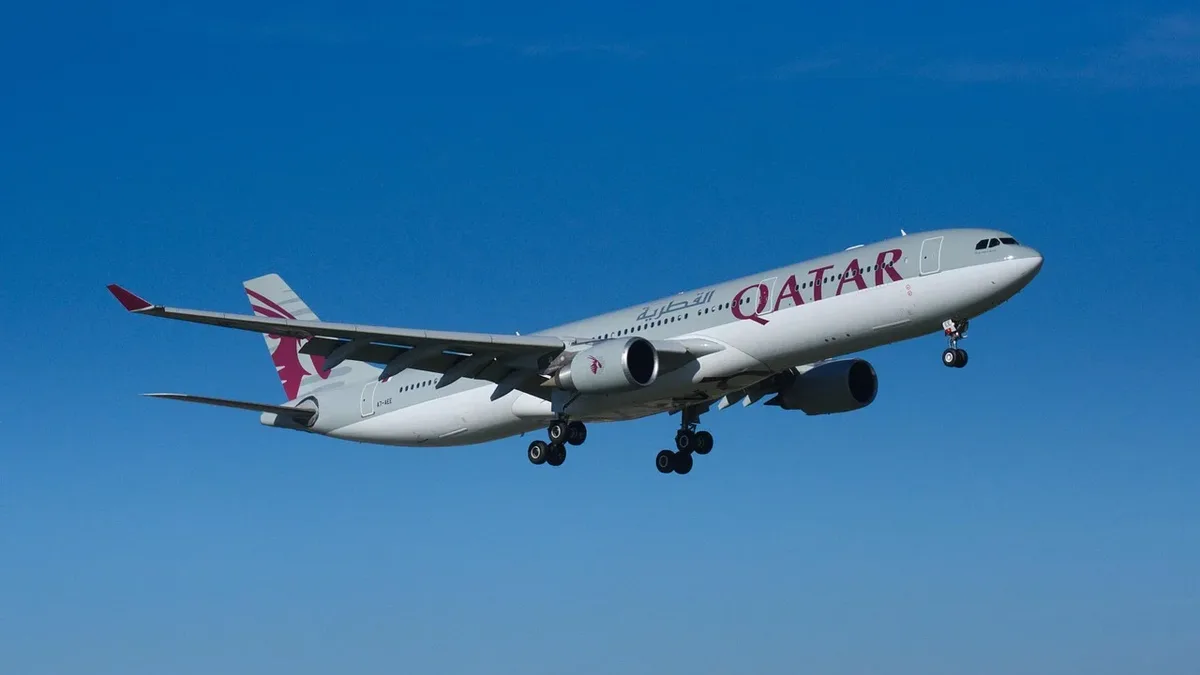
Qatar Airways launches new London menu with chef James
Qatar Airways has introduced a new business class menu created by two-Michelin-starred chef James Knappett for flights from London Heathrow to Doha.
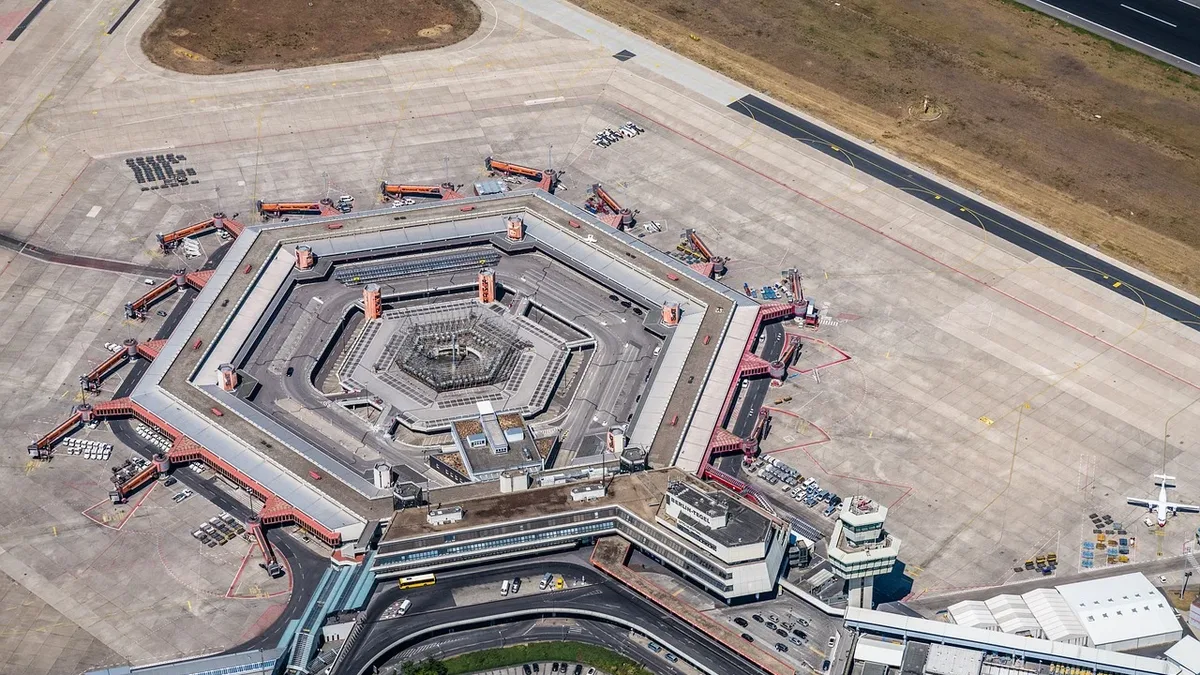
London Heathrow Tops 2026 Airport Rankings
London Heathrow Airport has been named the world's best major airport for 2026 by Air Advisor, which ranked 23 airports based on punctuality, Google