American Airlines Hires 60+ Techs to Fix
American Airlines is adding over 60 maintenance technicians and launching a new 'OneCabin' program on September 14 to address widespread cabin defects like
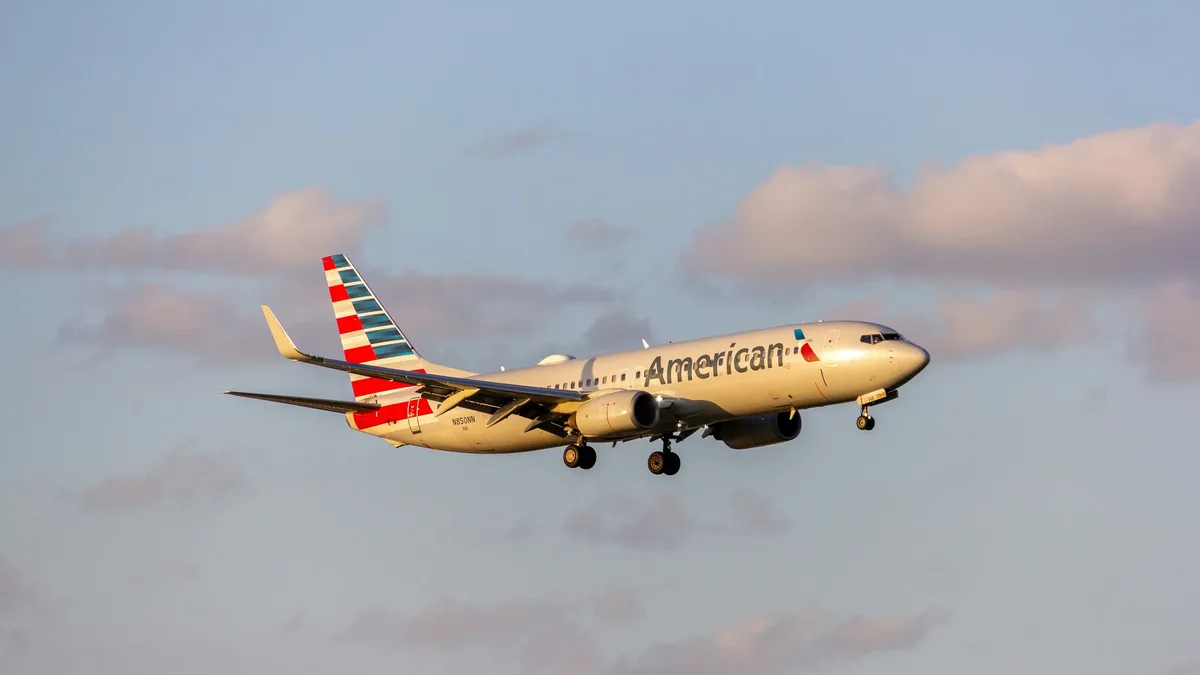
American Airlines is hiring more than 60 additional maintenance technicians to tackle persistent cabin defects, including broken seats and faulty in-flight entertainment systems. The airline's Chief Customer Officer, Heather Garboden, internally admitted earlier this year that the carrier had "duct tape where we should not have duct tape."
The new initiative is called 'OneCabin'. It aims to improve cabin cleanliness, appearance, and functionality. Aviation insider JonNYC stated on X that the program will officially launch on September 14.
The OneCabin Repair Push
The airline is deploying dedicated maintenance teams across several major hubs to speed up repairs. The focus is on fixing issues that have been deferred for too long. Garboden has been tasked with transforming the passenger experience, a effort that also includes reinstalling seatback screens and adding Starlink internet.
However, simply hiring more technicians is only part of the solution. Planes must be on the ground long enough for repairs, and a healthy stock of spare parts is required. There is also a challenge in changing a workplace culture where deferring defects became routine.
What Gets Fixed and What Waits
Cabin defects are logged in an Aircraft Maintenance Log (AML). Depending on severity, issues can be classified as an 'acceptable deferred defect' (ADD), allowing the plane to keep flying even if passenger comfort suffers. The rules for what can be deferred sometimes clash with passenger expectations.
A missing ashtray, for example, requires immediate replacement despite the long-standing smoking ban. A broken seat recline mechanism, however, can be legally deferred.
Cultural Shift and Union Pressure
The Association of Professional Flight Attendants (APFA) has argued for years that poor cabin conditions undermine service. When defects are commonplace, flight attendants can feel the airline does not care, which affects their morale and service culture. The OneCabin program seeks to address this foundational issue.
The program's potential extends beyond physical repairs. It aims to reset priorities, signaling that cabin readiness matters. The success of this push depends on sustained commitment from management and adequate resources on the ground. The airline's frequent flyers, pilots, and cabin crew will be watching the results closely after the September launch.
Source: Paddle Your Own Kanoo