Flight Attendant Burnout Peaks in Summer
A former flight attendant explains why cabin crew are increasingly losing patience during the summer travel season, citing a combination of extreme
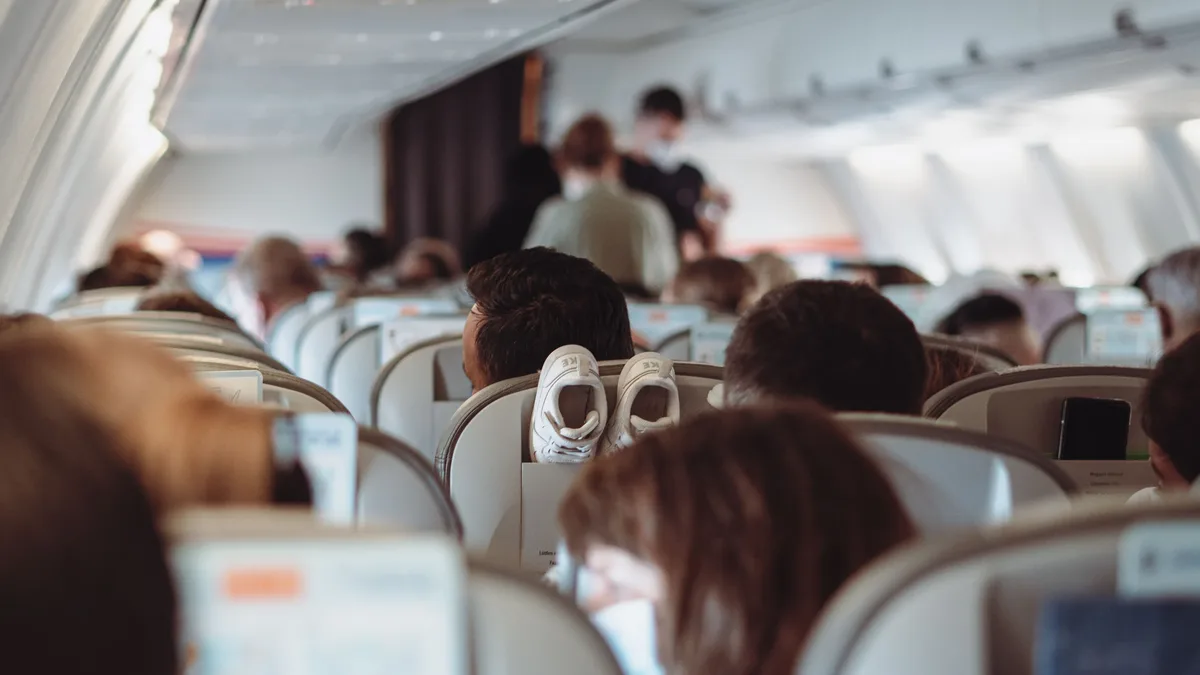
Flight attendants are facing unprecedented pressures this summer, leading to more reports of strained interactions with passengers. A unique combination of operational strains and changed passenger expectations is pushing even the most patient crew members to their limits.
The core issue is not that flight attendants have gotten worse at their jobs. Maszczynski argues that summer flying assembles a specific set of pressures capable of making anyone snap. These include extreme heat, long tarmac delays, and packed schedules.
Industry changes have also squeezed staffing ratios and reduced budgets for the small amenities that once helped smooth over difficult situations.
The Post-Pandemic Passenger Mix
Since the pandemic, a broader societal shift towards more selfish and demanding behavior has fully reached aviation. Summer travel packs planes with a challenging mix: families flying once a year, first-timers unfamiliar with norms, and people who have saved all year for a single trip. Passengers increasingly behave as if they have checked into a five-star resort rather than boarded a resource-limited aircraft.
Are passengers wrong to expect more? Maszczynski suggests maybe not, as people are paying top dollar for tickets. Airlines are pushing for the premium market, but onboard resources rarely improve as quickly as marketing materials suggest. This gap between expectation and reality fuels tension.
The Strain of Daily Operations
Flight attendant unions correctly emphasize that crew are aviation's first responders, primarily onboard for safety. However, service has always been a core part of the role. The job uniquely requires enforcing strict safety rules while simultaneously providing customer service.
You cannot, the report states, explain away bad service by insisting a flight attendant's only job is emergency evacuation.
Daily working conditions make consistent charm a challenge. Crews deal with jet lag, fatigue, and the grind of multi-day trips. They may have just smiled at 250 boarding passengers, many of whom treat them as personally responsible for delays. A final straw can be something as simple as a passenger audibly complaining about being asked to fasten a seatbelt before departure.
Systemic Factors and Specific Routes
The seniority system in the U.S. Airline industry is another factor. Salary, schedule, and base assignments depend on tenure rather than performance or enthusiasm. This system financially rewards people for simply staying put, even if they have mentally checked out of the job. They have little incentive to start over elsewhere.
Furthermore, every flight attendant can name at least one specific route they hate flying, with colleagues often agreeing. It is not about the destination's passengers, but the particular mix of expectations, timing, and demands that route consistently attracts.
Maszczynski is clear that none of this excuses genuine rudeness toward a blameless passenger. However, burnout from a brutal summer in a demanding industry is not the same as hating the job. It is also not a reason to tell dedicated professionals to quit. The report concludes that, given the circumstances, it is surprising more flight attendants are not losing their cool.
Source: Paddle Your Own Kanoo