Ground Crew Tasks Before Departure
Ground crews perform coordinated tasks like aircraft inspection, baggage loading, and weight calculation before every flight, following IATA standards to
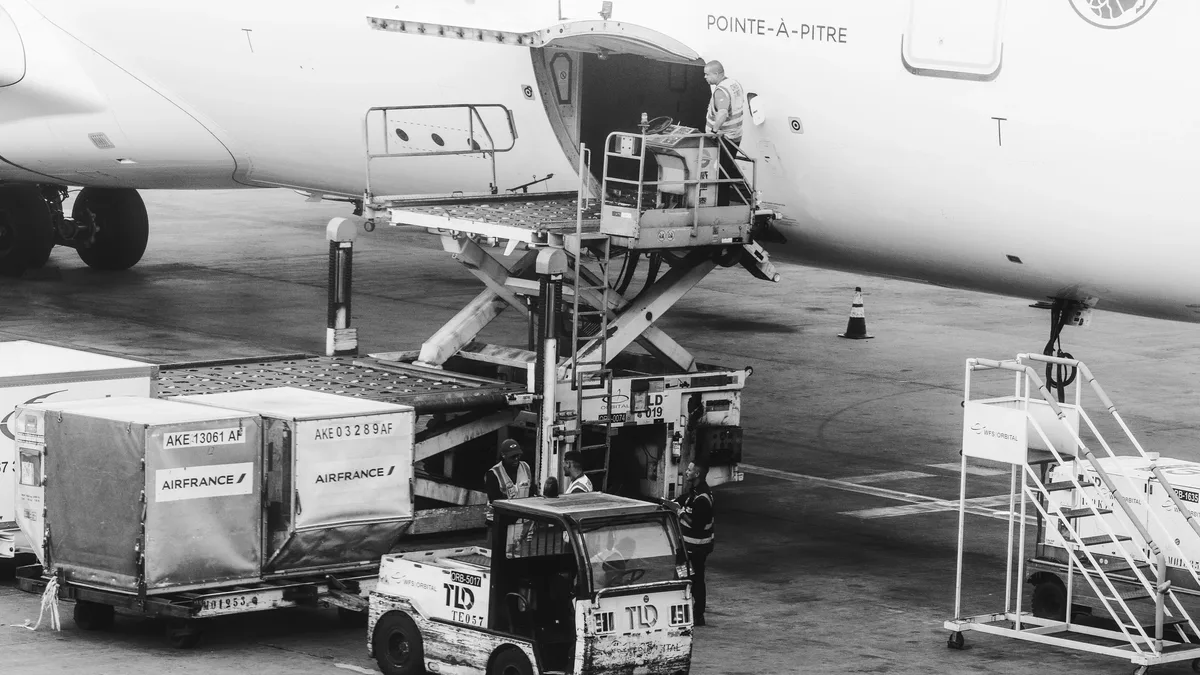
Before passengers board, ground crews complete essential tasks to prepare an aircraft for departure. The International Air Transport Association (IATA) outlines standardized procedures for this coordinated turnaround, which involves ramp agents, loading supervisors, fuel personnel, and maintenance staff working within a limited time window.
Before The Bags Go Aboard, The Aircraft Gets A Closer Look
One of the first jobs is inspecting the aircraft for damage or irregularities. Ground personnel examine areas like cargo holds after unloading, checking for shifted loads or damage. IATA identifies aircraft ground damage as a common cause of turnaround delays.
Personnel verify the aircraft registration, hold condition, and loading information before cargo is loaded. Unit load devices (ULDs) are inspected for damage. Their configuration and securing arrangements must match the aircraft. This makes each hold a controlled work area.
Every Suitcase Has A Place In The Aircraft
Baggage and cargo are loaded and secured according to a specific plan. Loading personnel cross-check details like ULD gross weights and destination codes before loading begins. Securing the load is a key safety responsibility to prevent shifting during flight.
ULDs must be restrained appropriately. Loose baggage and cargo are positioned according to the loading configuration. Ramp supervisors ensure baggage is scanned correctly and address left-behind baggage. They also ensure cargo is correctly prepared for bulk loading or ULD placement.
Fuel, Catering, And Cleaning Happen Together
Specialized teams work simultaneously around the aircraft. Fueling, catering, and cabin cleaning are coordinated activities. Fueling is critical as the amount loaded affects the aircraft's operating condition. Ground personnel monitor this operation.
Catering supplies must be delivered and coordinated to avoid obstructing other ground equipment. Cleaning teams prepare the cabin within the same constrained window. Standardization is vital as many different organizations, from contracted handlers to catering companies, are involved.
The Final Load Has To Match The Numbers
Personnel calculate the aircraft's final weight and balance after physical loading. IATA identifies load control as a distinct discipline with its own regulatory requirements. The ramp supervisor tracks passenger numbers, baggage pieces, and fuel quantities.
Each change during turnaround affects the aircraft's mass distribution. Loading must follow a planned configuration. A final hold check and completion of the Loading Instruction Report documents the endpoint. If actual loads differ from expectations, the final figures must reflect reality.
Pushback Is The Final Test Of The Turnaround
Before pushback, ground crews confirm servicing is complete and equipment is clear. Responsible staff assist with departure, connecting the pushback tractor and removing wheel chocks. Personnel must be trained for their equipment, with particular attention required during this final phase.
Source: Simple Flying