TSA's New $800,000 CT Scanners May Slow
The TSA is rolling out advanced CT 3D scanners at US airports, but their slower speed and high cost mean they are not being prioritized for PreCheck lanes
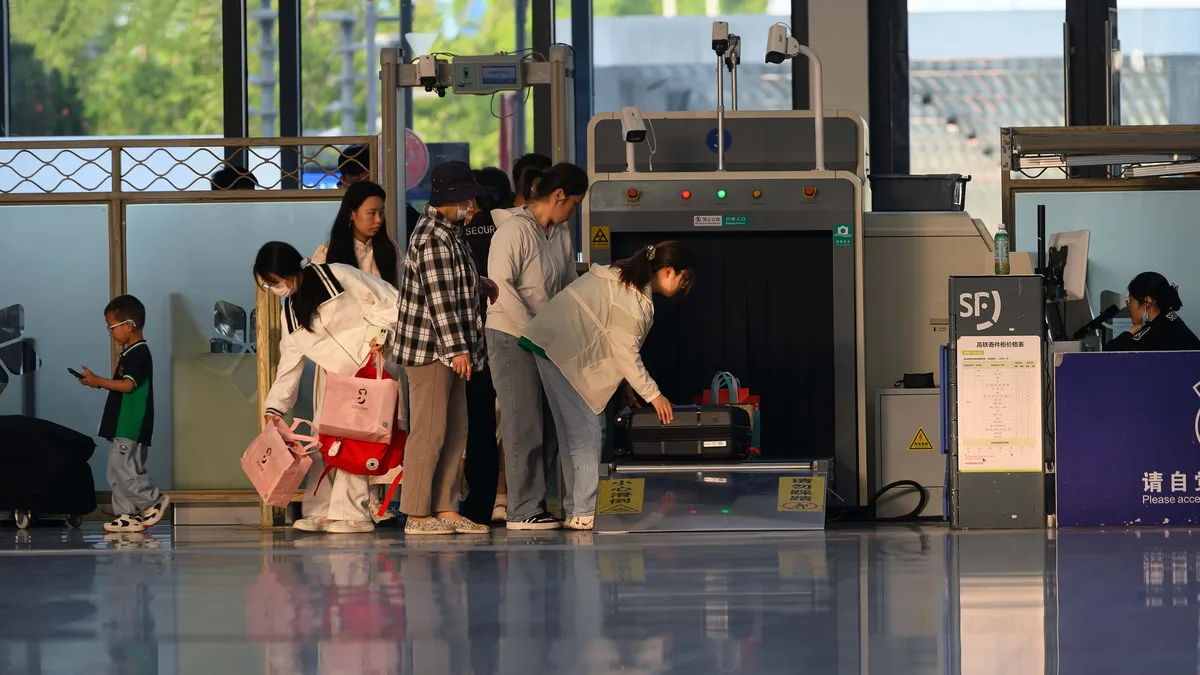
The Transportation Security Administration (TSA) is installing new CT 3D bag scanners across US airports. These $800,000 machines create detailed 3D images, allowing passengers to keep large electronics in their bags, but they are not always faster than older X-ray units.
The new Computed Tomography (CT) scanners use X-rays to build a rotatable 3D model of a bag's contents. This lets officers see through items like laptops and fluids that traditionally obscured scans. The technology reduces the need for manual bag checks. However, the scanners can be slower and cause bottlenecks because they are smaller than older machines.
Deployment Strategy and Cost
The TSA is taking a lane-by-lane approach to installing the expensive scanners rather than fully equipping a few airports. This means the machines are present at nearly 300 US airports, but not in every lane. A typical CT scanner costs around $800,000, far more than an older X-ray unit, which can cost as little as $65,000.
| Scanner Type | Approximate Cost |
|---|---|
| CT 3D Scanner | $800,000 |
| Older X-ray Unit | $65,000 |
The agency has placed several large orders for the technology. A major 2022 order was for nearly 1,000 units, and a 2023 order for over 1,200 scanners was collectively worth over $1 billion. Despite this rapid deployment, the TSA estimates the full rollout across all its airports may not be complete until the late 2030s or early 2040s.
Impact on TSA PreCheck
TSA PreCheck is the agency's program for faster, less intrusive screening. Members can keep electronics in bags and often use metal detectors instead of full-body scanners. The main benefit is speed. Wait times for PreCheck lanes have risen, however, due to the program's popularity and staffing challenges.
The new CT scanners are generally not being prioritized for PreCheck lanes. The report states that while some PreCheck lanes have received the devices, the TSA believes they would benefit the least from them. The scanners can increase screening time slightly, and their enhanced security benefit is less critical for PreCheck's pre-vetted traveler demographic.
Rollout History
The TSA first began looking at 3D scanning in the 2010s. Initial trials started in 2017 at Phoenix Sky Harbor and Boston Logan airports. Piloting also occurred at John F. Kennedy International Airport. The program was expanded in 2018, leading to the first major order in 2019.
Production capacity remains a challenge given the size of the TSA's orders across over 400 commercial airports. The agency is working with multiple suppliers to receive machines faster. The lane-by-lane installation creates an uneven passenger experience, even at major hubs like Atlanta, JFK, or Denver.
Source: Simple Flying