Barcelona Palma
| Route type | Ferry and flight |
|---|---|
| Operators | Multiple ferry companies and airlines |
| Booking method | Online via operator or aggregator sites |
| Ticket inclusion | Varies by operator and fare class |
| Delay compensation | Governed by EU passenger rights regulations |
| Cancellation rights | Varies by operator and ticket type |
| Documentation required | Valid passport or national ID card |
Origin and history
The Barcelona to Palma de Mallorca maritime route originates as a commercial and passenger corridor in the western Mediterranean Sea, connecting mainland Spain with the Balearic Islands. Its establishment is intrinsically linked to the economic and social development of the Balearic archipelago, particularly Mallorca. Regular scheduled services on this route began to develop significantly with the advent of steamship technology in the 19th century, which reduced reliance on wind and improved reliability. The route's importance expanded throughout the 20th century with the growth of tourism, transforming it from a primarily utilitarian link for goods and island residents into a major tourist artery. The founding of modern ferry companies in the mid-20th century, responding to increased demand for vehicle transport, formalized the year-round commercial service structure seen today. The route is a stable fixture of Spanish domestic maritime transport, operated by several shipping companies from the Port of Barcelona to the Port of Palma.
What it is for
The Barcelona-Palma route provides a direct maritime connection for the transportation of passengers, private vehicles, and commercial freight between the two ports. Its primary function is to facilitate travel for tourists bringing their cars or caravans to Mallorca, offering an alternative to air travel. The route also serves as a critical logistical supply line for the island, transporting a substantial portion of its food, construction materials, and other essential goods from the mainland. It is used by island residents for personal travel to the mainland for business, family, or medical reasons, often with their own vehicle. Furthermore, the route accommodates freight trucks, which are vital for the island's retail and construction industries, as they cannot travel by air. The service operates year-round, with frequency increasing during the peak summer tourist season to meet heightened demand.
Pros and cons
The journey itself can be part of the holiday, offering scenic views of the Mediterranean and onboard amenities like restaurants and sun decks. For freight and logistics, the route is indispensable, being the only practical method for moving large quantities of goods and heavy machinery to the island. A significant drawback is the travel time, which at approximately seven to eight hours is substantially longer than a one-hour flight, making it inefficient for travelers without vehicles or with limited time. The onboard experience during peak season can be crowded and noisy, particularly on vessels configured for high vehicle capacity over passenger comfort, which some travelers find stressful. The most common mistake is underestimating the total cost, as the cumulative price for a family, their car, and a basic cabin for overnight crossings often exceeds budget airline fares, leading to regret for those who discover they did not need their vehicle on the island.
Who it suits
This route best suits tourists planning an extended stay in Mallorca who require their own vehicle for mobility, such as families with bulky equipment, travelers with caravans or campers, or those intending to tour the island extensively. It is also highly suitable for residents of the Balearic Islands or mainland Spain who need to transport themselves and their car for personal or business reasons, for whom air travel is impractical. The ferry is a necessary choice for commercial truck drivers and companies involved in the supply chain to the island, as it is the primary method for freight movement. Travelers who dislike flying or who view the sea voyage as a relaxing and integral part of their holiday are also a natural fit for this service. It is less suited for time-sensitive travelers, such as business trippers or tourists on short breaks, for whom the speed of air travel is more critical. Budget-conscious solo travelers or couples without a vehicle often find better value in low-cost flights, unless they specifically seek the maritime experience.
Latest Barcelona Palma news
Latest reporting

Delta Barcelona-Boston flight diverted to Porto after cabin
A Delta Air Lines Airbus A330-300 diverted to Porto, Portugal, after smoke filled the cabin, sickening eleven passengers and leading to multiple
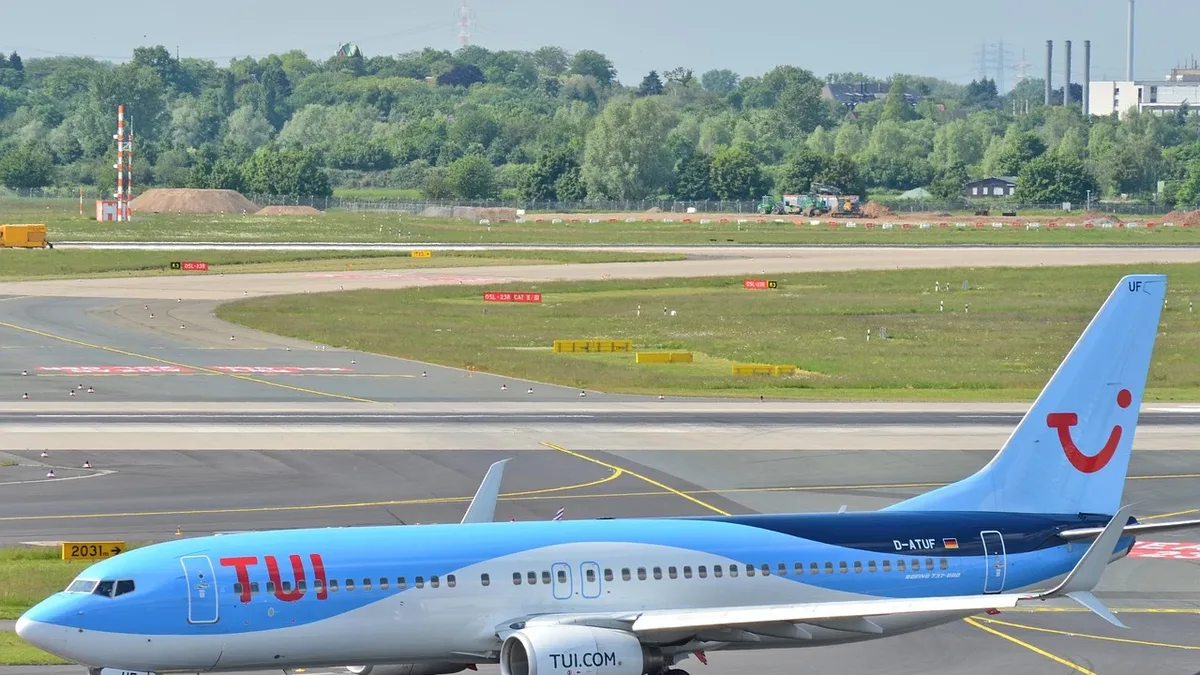
TUI fly flight diverted to Ibiza
A TUI fly Boeing 737 MAX 8 from Palma to Düsseldorf diverted to Ibiza due to a weather radar malfunction, arriving over 16 hours late after overnight