Istanbul London
| Route type | Scheduled international air route |
|---|---|
| Primary airlines | Multiple carriers including Turkish Airlines, British Airways |
| Booking channels | Airline websites, travel agencies, flight search engines |
| Fare inclusions | Varies by ticket class; typically includes seat, checked baggage allowance, meals |
| Failure compensation | Governed by UK/EU passenger rights regulations for eligible flights |
| Typical flight time | Approximately 4 hours |
| Common departure airports | Istanbul Airport (IST), Sabiha Gökçen Airport (SAW) |
| Common arrival airports | London Heathrow (LHR), London Gatwick (LGW) |
Origin and history
The route between Istanbul and London is a major air corridor connecting Southeastern Europe and the United Kingdom. Its establishment as a regular commercial air service followed the broader development of international civil aviation in the mid-20th century. Scheduled flights between the cities became more common with the advent of jet aircraft, which reduced travel time significantly. The route's importance grew in the late 20th century alongside Istanbul's rise as a regional economic hub and increasing business and diaspora travel links to London. The opening of Istanbul's new airport in 2019 further consolidated its role as a global transit point, impacting capacity and competition on this corridor. The historical significance of both cities as imperial capitals and cultural centers has sustained consistent passenger demand across tourism, business, and visiting friends and relatives segments for decades.
What it is for
This air route provides a direct transportation link between two of Europe's most significant metropolitan areas. Its primary function is to move passengers, with multiple daily flights operated by full-service, low-cost, and flag carriers. The route serves business travelers engaged in commerce between the financial centers of London and Istanbul. It facilitates tourism, allowing visitors to access historical sites, cultural events, and urban attractions in both destinations. A substantial portion of traffic consists of individuals visiting friends and family, reflecting deep-seated demographic ties between Turkey and the UK. Additionally, the route functions as a critical segment for longer-haul connecting passengers using Istanbul as a transit hub for journeys to and from Asia and the Middle East.
Pros and cons
A primary pro of this route is the high frequency of flights, offering multiple daily departures that provide flexibility for travelers. The competition between several airlines can lead to a wide range of fare options and service levels, from budget to premium. A significant con is the potential for operational disruption, particularly during winter, where weather in either city can cause delays and cancellations that ripple through airline networks. Passengers often regret choosing the cheapest basic economy fare on a long-haul, low-cost carrier without understanding the stringent baggage rules and fees for any ancillary service, leading to unexpected costs at the airport. A common mistake is not verifying the arrival airport in London, as flights land at Heathrow, Gatwick, Stansted, or Luton, with substantial differences in transfer time and cost to central London. The route is also prone to congestion, especially during peak summer and holiday periods, which can affect punctuality and increase airport processing times.
Who it suits
This route suits business travelers who require frequent, direct connections and may benefit from the extensive flight schedules and premium cabins offered by full-service carriers. It suits tourists seeking a city-break or cultural trip who can take advantage of seasonal sales and package deals from tour operators. The route is essential for members of the Turkish diaspora in the UK and British expatriates in Turkey who are visiting family and often prioritize direct flights and the ability to carry ample luggage. Budget-conscious solo travelers or couples comfortable with minimal service find it suits them, provided they carefully manage ancillary fees on low-cost carriers. It suits transit passengers using Istanbul's hub to connect to other destinations, for whom the London-Istanbul leg is part of a longer itinerary. Finally, it suits flexible travelers who can monitor prices and book well in advance to secure the most favorable fares on this competitively priced but high-demand corridor.
Latest Istanbul London news
Latest reporting
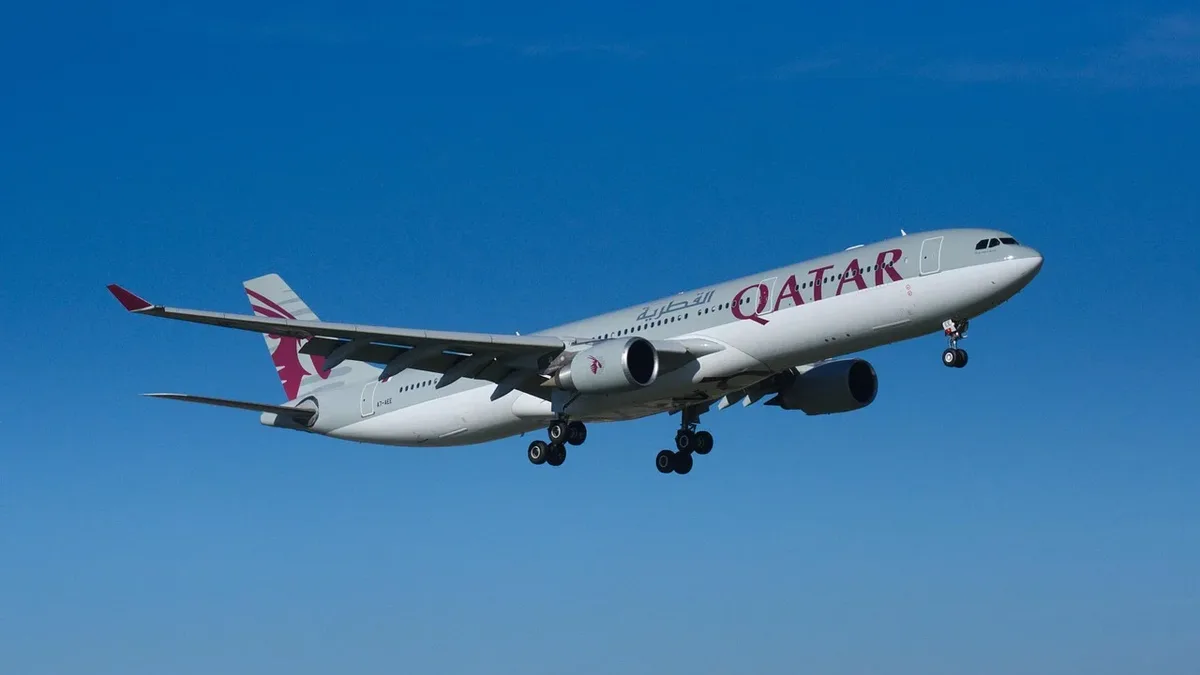
Qatar Airways launches new London menu with chef James
Qatar Airways has introduced a new business class menu created by two-Michelin-starred chef James Knappett for flights from London Heathrow to Doha.
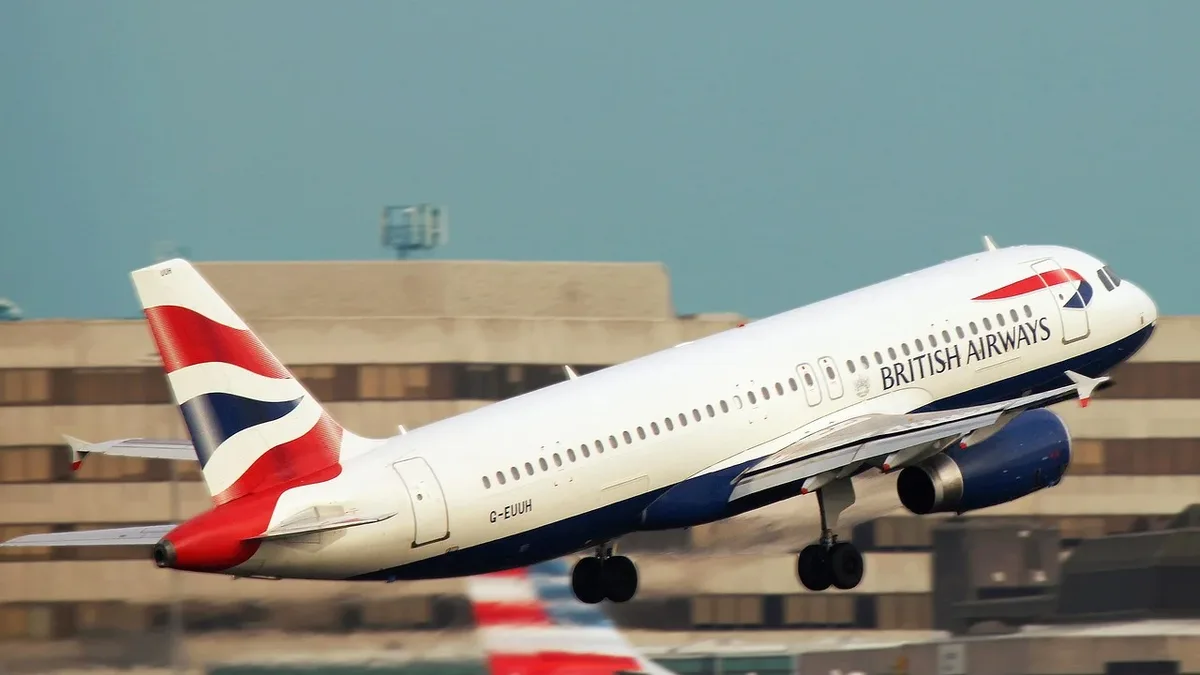
British Airways adds Kilimanjaro and Zanzibar flights
British Airways will launch new seasonal flights from London Gatwick to Kilimanjaro and Zanzibar in Tanzania from May 2027, with Avios reward seats
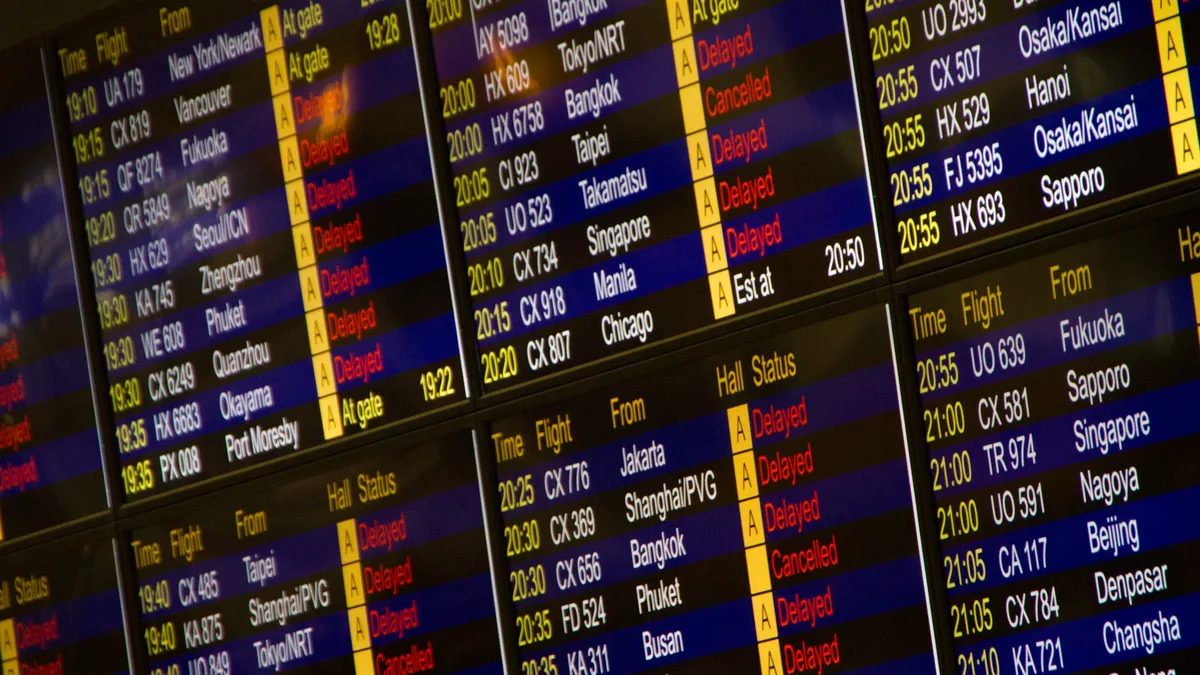
NATS System Failure Grounds UK Flights, Causes Major Delays
A technical failure in the UK's air traffic control flight processing system has caused widespread flight delays and cancellations, particularly at...
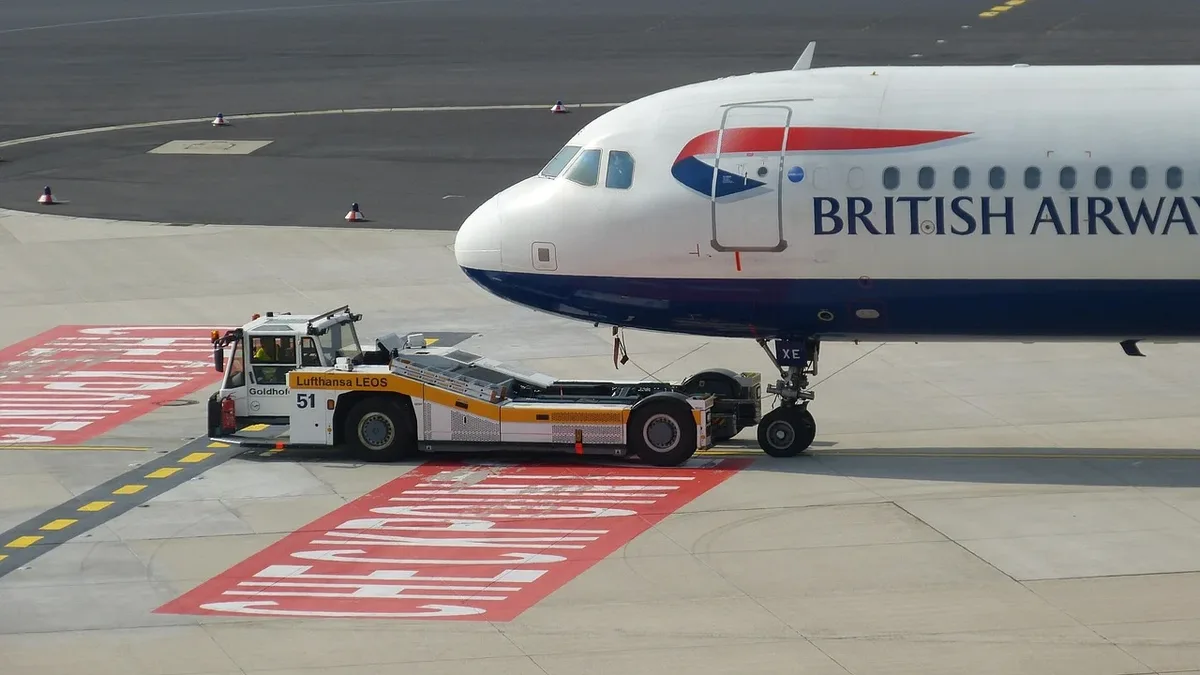
British Airways flight delayed after emergency slide deploys
A British Airways flight from Montreal to London was delayed for three and a half hours after an emergency slide accidentally deployed onto a catering
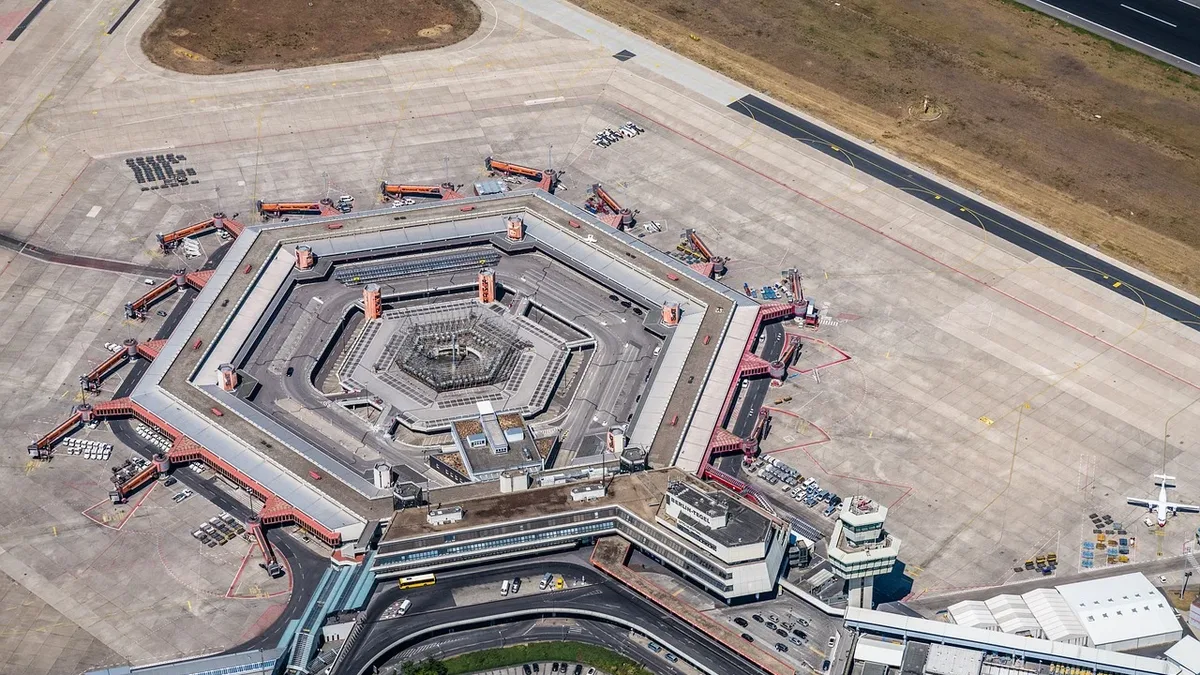
London Heathrow Tops 2026 Airport Rankings
London Heathrow Airport has been named the world's best major airport for 2026 by Air Advisor, which ranked 23 airports based on punctuality, Google

Emirates' Oldest Airbus A380 Still Flying Long-Haul Routes at 20 Years Old
Emirates' oldest Airbus A380, registered A6-EDF, continues to operate long-haul routes despite being nearly 21 years old. The aircraft, delivered in...