London Dubai
| Route type | Scheduled passenger flight |
|---|---|
| Aircraft type | Wide-body jet |
| Typical flight time | 7 to 8 hours |
| Direction | East-southeast |
| Common airline types | Full-service and premium carriers |
| In-flight service | Meals and entertainment standard |
| Baggage allowance | Typically included, varies by ticket |
| Operational status | Continuously active major route |
| Time zone difference | Dubai is 3 or 4 hours ahead of London |
Origin and history
The London to Dubai air route is a major long-haul corridor connecting the United Kingdom and the United Arab Emirates. Its establishment as a scheduled commercial service followed the rapid expansion of Dubai as a global aviation hub in the late 20th century. The route's development is intrinsically linked to the growth of Emirates airline, which was founded in Dubai in 1985 and began services to London Gatwick Airport in 1987. British carriers, including British Airways, had already established connections to the Gulf region prior to this period. The route's frequency and capacity expanded significantly throughout the 1990s and 2000s as Dubai's economic and tourism profile rose. Today, it is one of the world's most competitive and heavily trafficked airline routes, served by multiple carriers from several London airports.
What it is for
This air route primarily facilitates passenger travel between two major global cities for purposes of business, tourism, and visiting friends and relatives. It serves as a critical commercial link for trade and investment between the United Kingdom and the Middle East, enabling face-to-face meetings and economic exchange. For leisure travelers, the route provides direct access from Northern Europe to Dubai's luxury resorts, shopping, and cultural attractions. A significant function of the route is to provide connecting traffic, as Dubai's airport acts as a hub for passengers traveling from London to destinations across Asia, Africa, and Australasia. The route also supports substantial cargo operations in the bellies of passenger aircraft, transporting time-sensitive goods. Furthermore, it accommodates student travel and forms a vital connection for the large expatriate communities residing in both cities.
Pros and cons
A primary advantage of this route is the exceptionally high frequency of flights, offering travelers multiple daily departures and considerable flexibility in scheduling. The intense competition between full-service and budget carriers on this corridor can lead to a wide range of fare options and service levels. A significant drawback is the prevalence of airport congestion at both ends, particularly at London Heathrow and Dubai International, which can lead to delays, especially during peak travel seasons. Passengers who prioritize absolute lowest cost may regret their choice if they select a budget long-haul service without understanding its strict baggage policies and paid ancillary services for meals and seat selection. A common mistake is underestimating the total travel time when accounting for ground transportation to and from often distant airports and lengthy security and immigration procedures. Furthermore, the route's popularity means that aircraft are frequently operating at very high load factors, which can reduce personal space and overhead bin availability.
Who it suits
This route suits business travelers who require multiple daily flight options and premium cabin services offered by the full-service carriers operating on it. It is well-matched to leisure tourists seeking package holidays or independent travel to Dubai's resorts, who can choose from a variety of airlines aligning with their budget and service expectations. The route is ideal for passengers using Dubai as a connecting hub to reach destinations in South Asia, the Indian Ocean, or Australia, as it offers numerous well-timed onward connections. It suits visitors to friends and family residing in either city who may prioritize direct flights and flexible ticket conditions over the lowest possible fare. Budget-conscious travelers who are willing to forgo traditional inflight amenities in exchange for a lower base fare are also served by specific carriers on this route. Finally, it accommodates cargo shippers requiring reliable daily capacity for freight between these two commercial centers.
Latest London Dubai news
Latest reporting
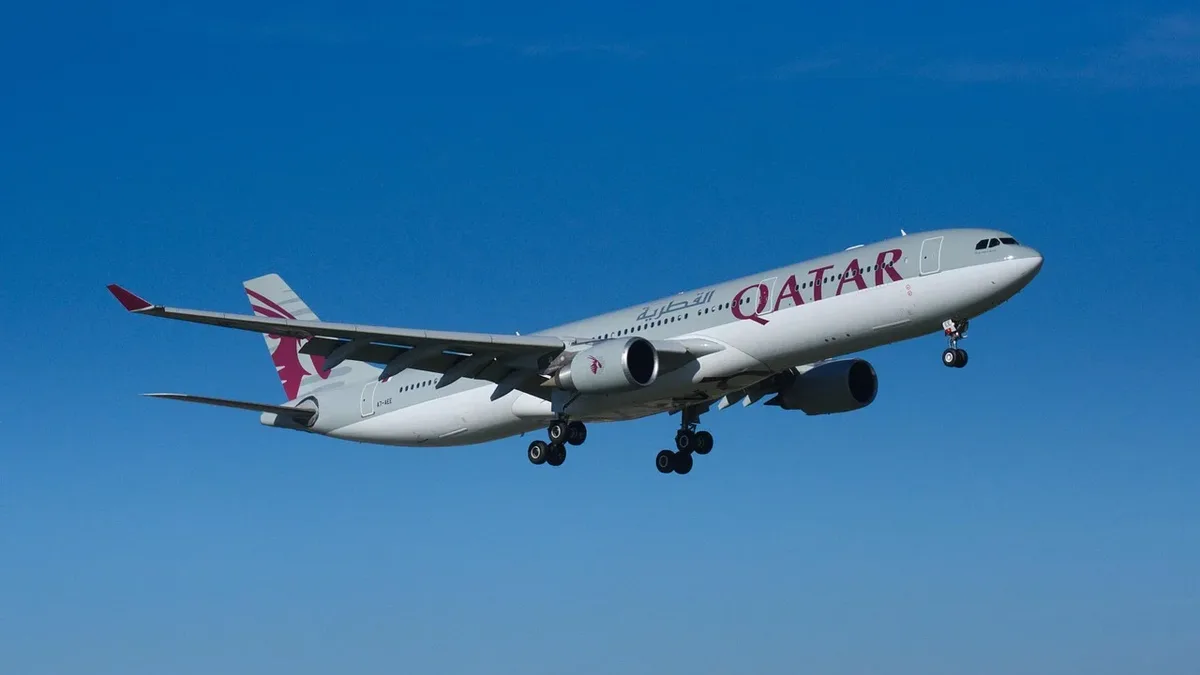
Qatar Airways launches new London menu with chef James
Qatar Airways has introduced a new business class menu created by two-Michelin-starred chef James Knappett for flights from London Heathrow to Doha.
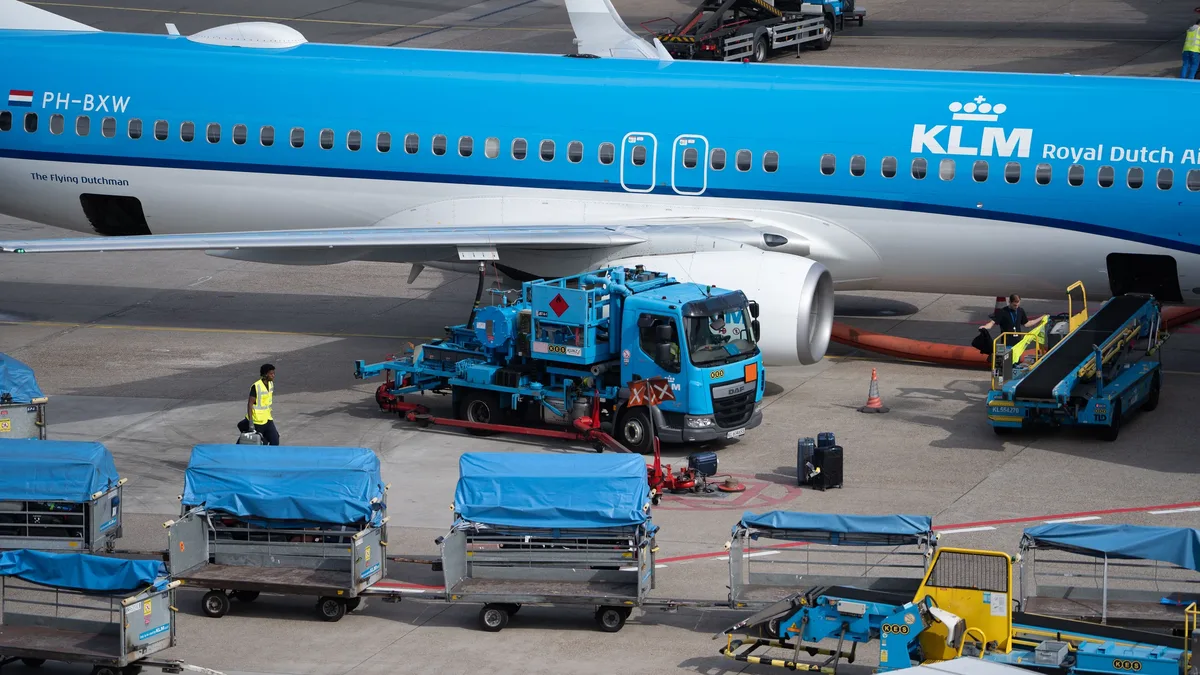
KLM to resume Gulf flights and expand winter
KLM Royal Dutch Airlines plans to restart services to Dubai, Riyadh, and Dammam from late October 2026, pending the Middle East situation.
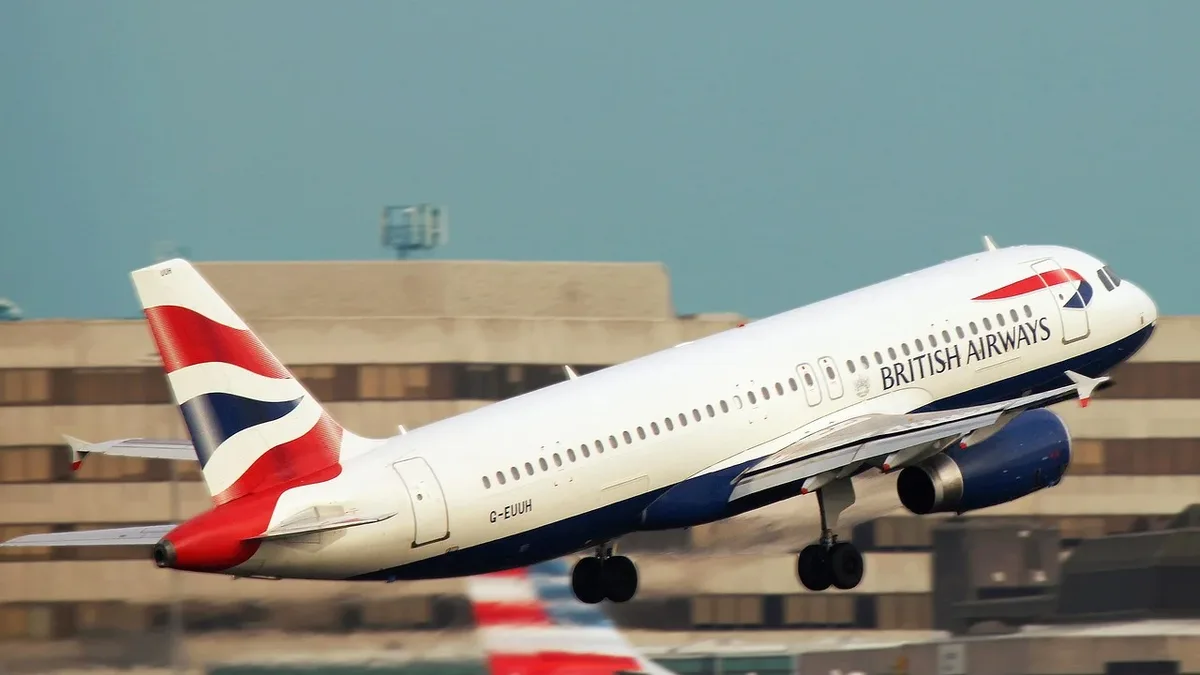
British Airways adds Kilimanjaro and Zanzibar flights
British Airways will launch new seasonal flights from London Gatwick to Kilimanjaro and Zanzibar in Tanzania from May 2027, with Avios reward seats
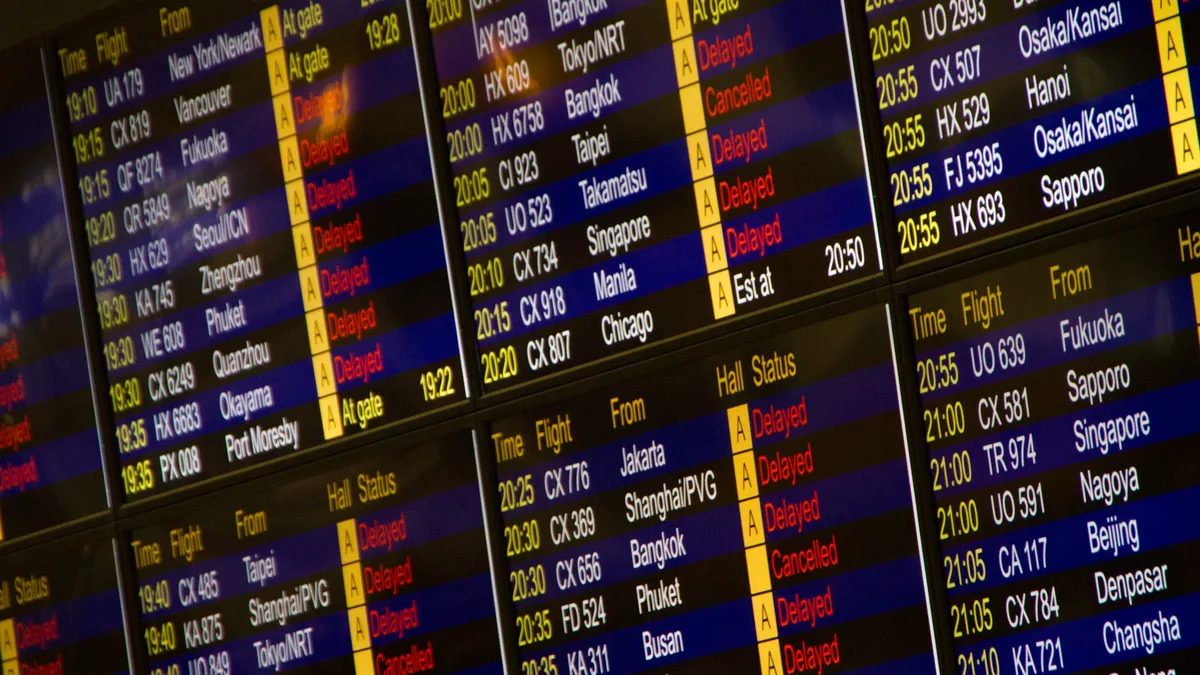
NATS System Failure Grounds UK Flights, Causes Major Delays
A technical failure in the UK's air traffic control flight processing system has caused widespread flight delays and cancellations, particularly at...
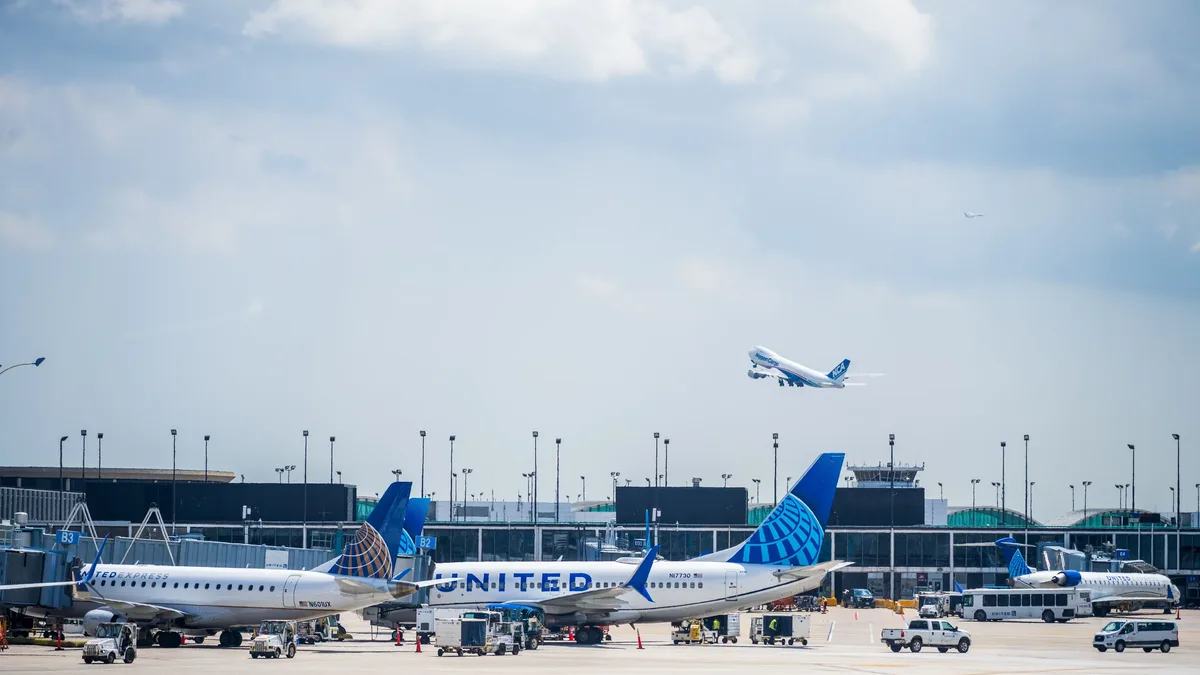
United Relaunches Tel Aviv Flights as Competition Heats Up
United Airlines resumes nonstop flights between Newark and Tel Aviv, while Dubai services remain grounded until March 2027, and the market is...
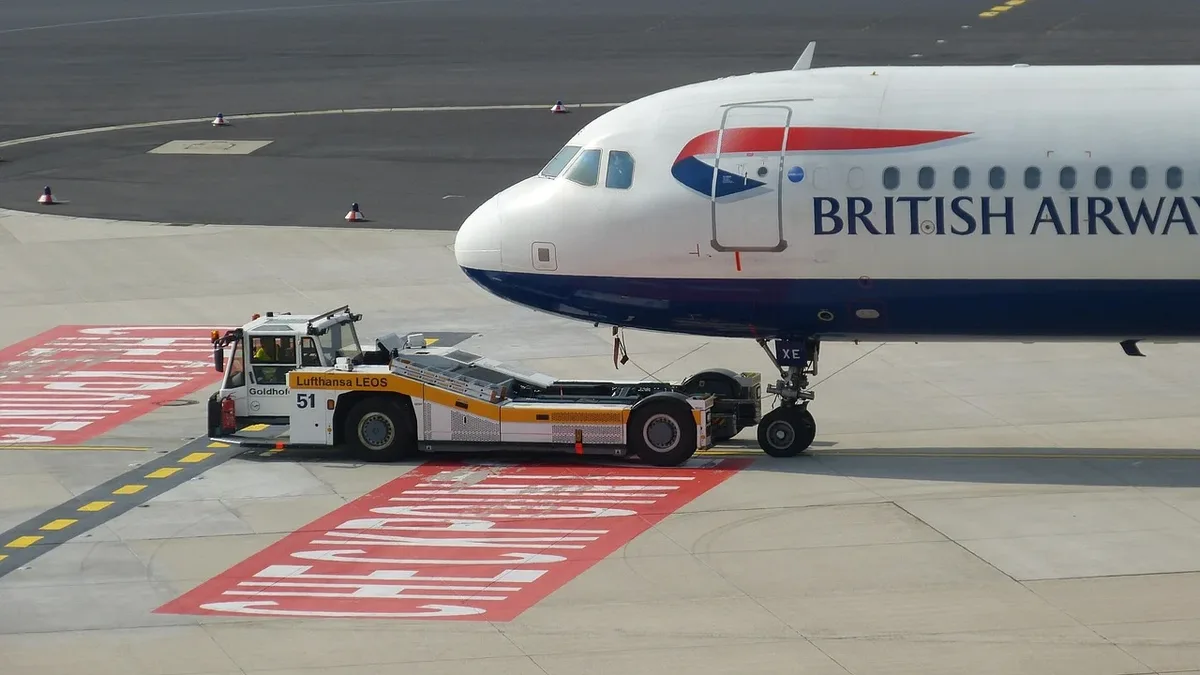
British Airways flight delayed after emergency slide deploys
A British Airways flight from Montreal to London was delayed for three and a half hours after an emergency slide accidentally deployed onto a catering