London Malaga
| Route type | Scheduled passenger air route |
|---|---|
| Primary airports | London Heathrow (LHR), London Gatwick (LGW), London Stansted (STN), London Luton (LTN) to Málaga-Costa del Sol (AGP) |
| Typical flight time | 2 hours 45 minutes to 3 hours 15 minutes |
| Typical airlines | British Airways, easyJet, Ryanair, TUI Airways, Jet2 |
| Fare basis | Usually sold as a single fare for a specific flight and passenger |
| Fare inclusions | Typically includes a seat on the aircraft and standard cabin baggage allowance |
| Compensation for failure | Governed by UK/EU passenger rights regulations (UK261/EU261) for delays, cancellations, or denied boarding |
Origin and history
The London to Málaga route is a scheduled air corridor connecting the United Kingdom and Spain. Its establishment as a regular commercial service followed the broader expansion of European leisure travel in the latter half of the twentieth century. The route's development was driven by the growth of package tourism from the UK to the Costa del Sol, which began in significant volumes during the 1960s. The increasing demand for year-round sunshine destinations solidified this air link as a core component of airline networks from the 1970s onward. The route has been served from multiple London airports, including Gatwick, Heathrow, Stansted, and Luton, reflecting its importance to both full-service and low-cost carriers. Its history is intrinsically linked to the evolution of mass-market tourism and the competitive dynamics of the European aviation industry.
What it is for
This air route exists primarily to transport passengers between the capital of the United Kingdom and the major city of the Andalusia region in southern Spain. It serves the core purpose of facilitating tourism, allowing travellers from London and the wider UK to access the beaches, resorts, and cultural attractions of the Costa del Sol. The route is also a vital link for visiting friends and relatives, connecting significant British expatriate communities in southern Spain with their home country. Furthermore, it supports business travel related to the tourism industry, real estate, and other commercial activities between the two regions. A secondary function is enabling cargo transport in the holds of passenger aircraft, moving time-sensitive goods like perishables and documents. The route operates year-round, with a significant increase in frequency during the summer months and key holiday periods to meet seasonal demand.
Pros and cons
A primary advantage of this route is its exceptionally high frequency and choice, with multiple daily departures from different London airports offered by various airlines, providing flexibility and competitive pricing. The prevalence of low-cost carriers on the corridor means base fares can be very low, especially when booked well in advance for off-peak travel. However, a significant con is the potential for hidden costs, as the cheapest fares exclude hold luggage and other necessities, leading to a final price that can rival a full-service airline. The route is also prone to severe congestion, particularly during school holidays, which can lead to crowded airports, delays, and a higher likelihood of disruptive incidents. Many travellers regret not carefully comparing the total cost after adding required extras, or they mistakenly believe a ticket from 'London' means a convenient airport, only to find they are departing from a distant terminal with expensive transport links. Furthermore, the high volume of leisure traffic can sometimes result in a less predictable and more stressful passenger experience compared to quieter business-oriented routes.
Who it suits
This route is ideally suited to leisure travellers, including holidaymakers and individuals visiting family, who have flexibility in their travel dates and can book months in advance to secure the lowest fares. It is a strong option for passengers travelling light with only hand luggage, as they can avoid the additional baggage fees that erode the price advantage of low-cost carriers. The route also suits those living near or willing to travel to secondary London airports like Stansted or Luton, where many of the most frequent services operate. It is less suited to business travellers requiring last-minute bookings, guaranteed schedules, and included amenities, who may find better value in the more stable, if pricier, offerings from full-service airlines from Heathrow. Budget-conscious tourists who meticulously research add-on costs and total trip price will benefit most from the competitive market. Finally, it is a practical choice for residents of southern Spain
Latest London Malaga news
Latest reporting
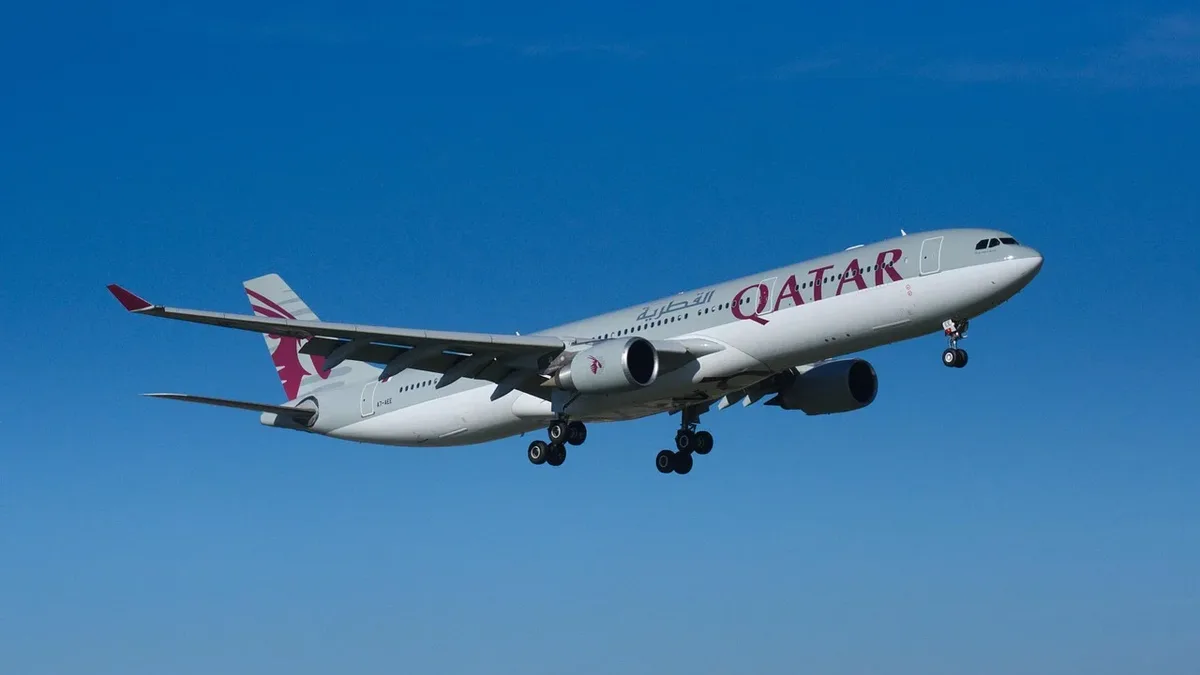
Qatar Airways launches new London menu with chef James
Qatar Airways has introduced a new business class menu created by two-Michelin-starred chef James Knappett for flights from London Heathrow to Doha.
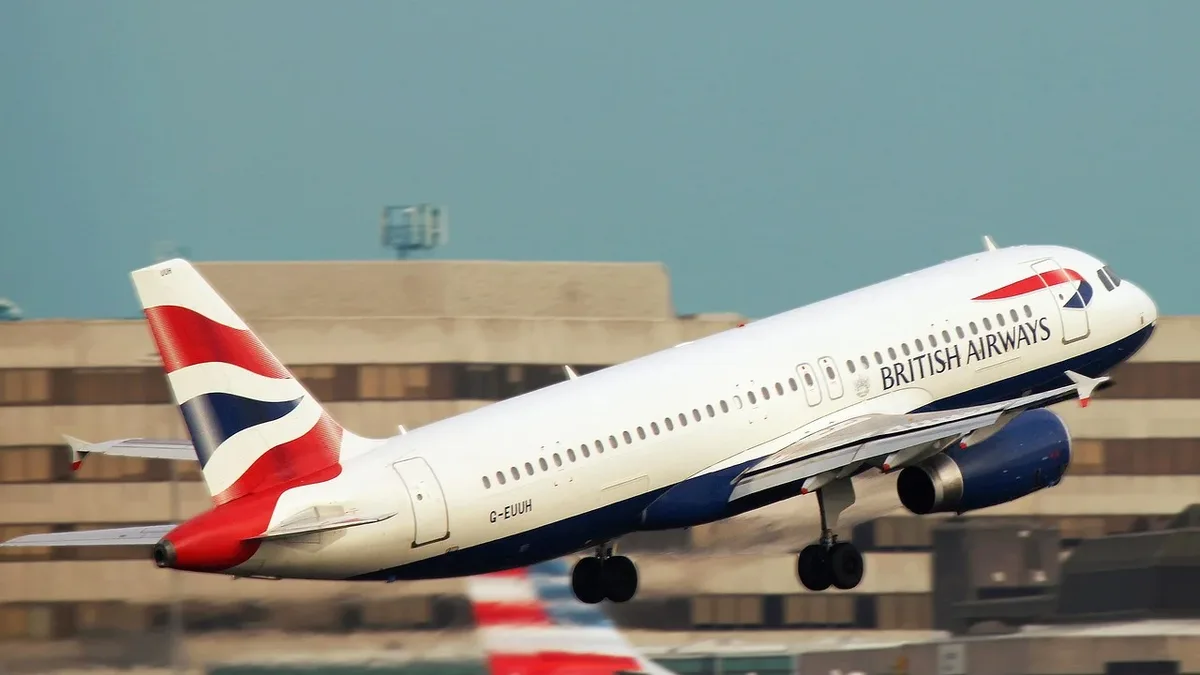
British Airways adds Kilimanjaro and Zanzibar flights
British Airways will launch new seasonal flights from London Gatwick to Kilimanjaro and Zanzibar in Tanzania from May 2027, with Avios reward seats
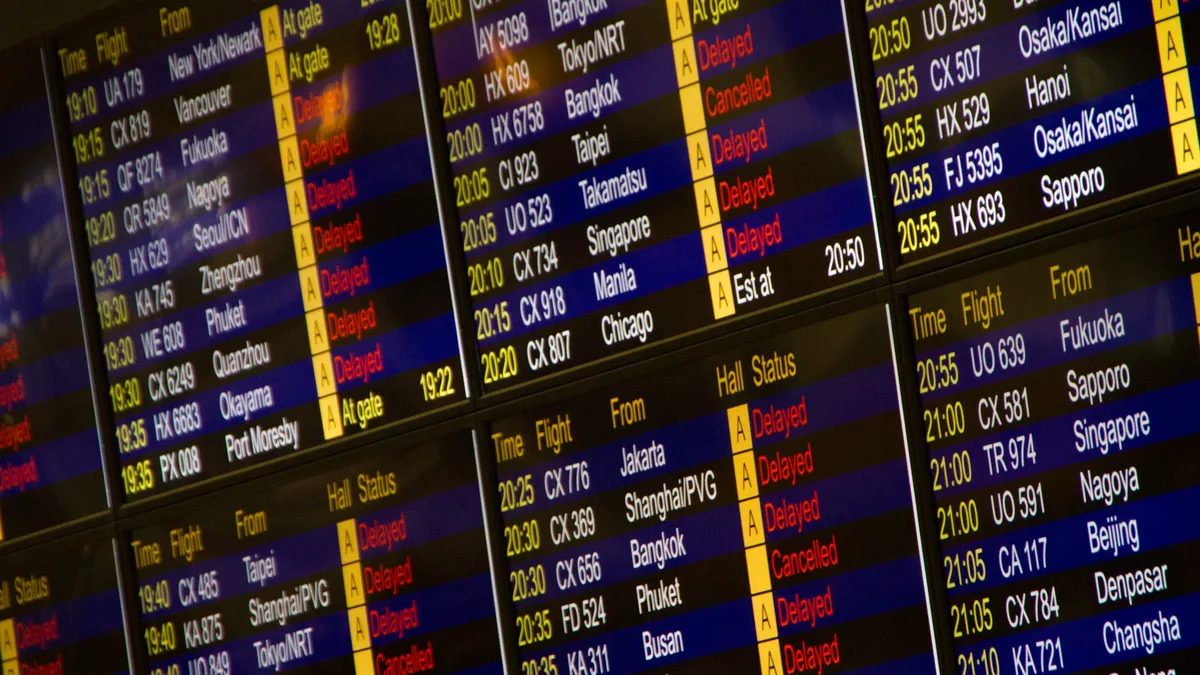
NATS System Failure Grounds UK Flights, Causes Major Delays
A technical failure in the UK's air traffic control flight processing system has caused widespread flight delays and cancellations, particularly at...
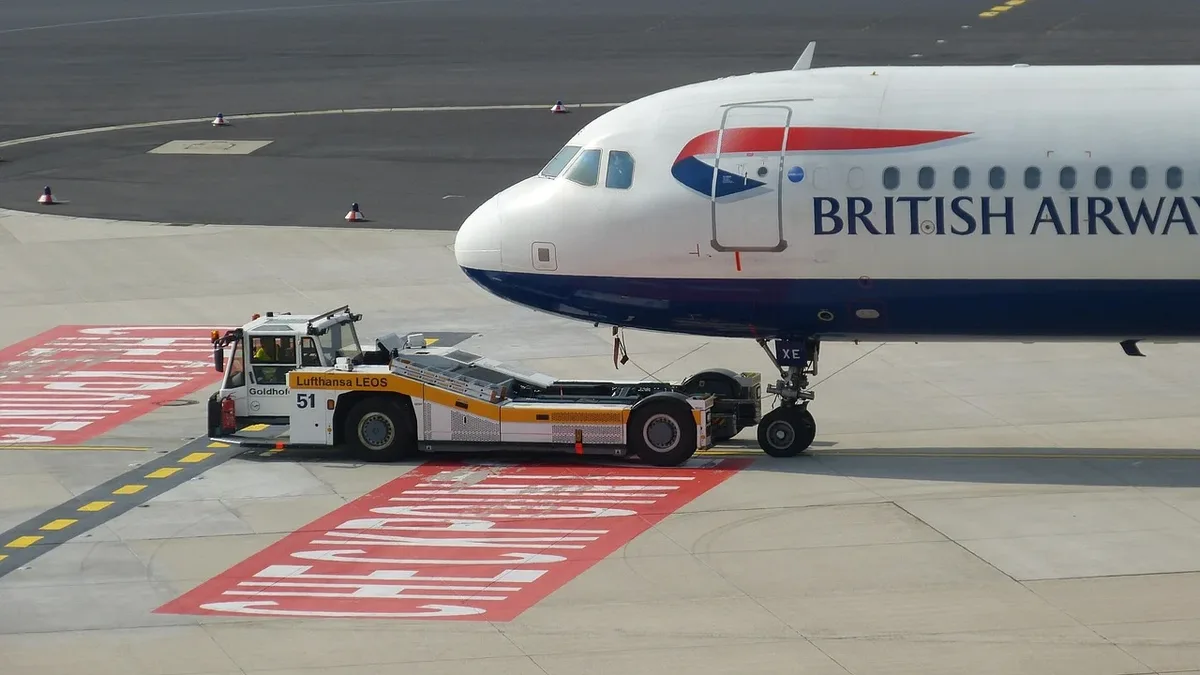
British Airways flight delayed after emergency slide deploys
A British Airways flight from Montreal to London was delayed for three and a half hours after an emergency slide accidentally deployed onto a catering

London Heathrow Tops 2026 Airport Rankings
London Heathrow Airport has been named the world's best major airport for 2026 by Air Advisor, which ranked 23 airports based on punctuality, Google

Emirates' Oldest Airbus A380 Still Flying Long-Haul Routes at 20 Years Old
Emirates' oldest Airbus A380, registered A6-EDF, continues to operate long-haul routes despite being nearly 21 years old. The aircraft, delivered in...