London New York
| Route type | Scheduled passenger flight |
|---|---|
| Aircraft type | Wide-body jet airliner |
| Typical flight time | 7 to 8 hours |
| Direction of travel | Westbound and eastbound |
| Time zone difference | London is 5 hours ahead of New York |
| Primary airports | London Heathrow (LHR) and New York John F. Kennedy (JFK) |
| Common carriers | Multiple major international airlines |
| Booking class inclusion | Economy, Premium Economy, Business, First |
Origin and history
The London to New York route is a major transatlantic passenger corridor connecting the United Kingdom and the United States. Its origins lie in the era of ocean liners during the late 19th and early 20th centuries, when steamships operated scheduled services between European ports like Southampton and New York City. The advent of commercial jet aircraft in the late 1950s fundamentally transformed the route, shifting the primary connection to airports and drastically reducing travel time. London's Heathrow Airport and New York's John F. Kennedy International Airport emerged as the dominant hubs for these flights by the 1960s. The route has been continuously served for over a century, evolving from a multi-day sea voyage to a flight of approximately seven to eight hours. It is one of the world's most established and competitive airline markets, linking two major global financial and cultural capitals.
What it is for
This route exists to transport passengers and cargo across the North Atlantic Ocean between the United Kingdom and the northeastern United States. Its primary function is to facilitate business travel, tourism, diplomatic exchange, and family visits between these two major hubs. The route serves as a critical link in the global aviation network, often providing connecting options for passengers traveling to and from other destinations. Airlines operate this route to generate revenue and fulfill bilateral air service agreements between the two nations. For passengers, it provides the means to traverse a significant geographical distance in a relatively short time compared to other modes of transport. The infrastructure supporting the route, including airports, air traffic control, and customs facilities, is designed to manage high volumes of international traffic efficiently and securely.
Pros and cons
A primary advantage of this route is its exceptional frequency and choice, with multiple airlines operating numerous daily flights from several London airports to multiple New York-area airports, offering flexibility in scheduling and price competition. The high level of service competition often leads to better cabin amenities and frequent flyer benefits, especially in business and first class, which are highly developed on this corridor. The route's maturity means operational procedures are well-honed, and airport staff are highly experienced in processing the high volume of travelers. A significant con is its susceptibility to disruption from complex factors, including North Atlantic weather patterns, air traffic congestion, and slot constraints at busy airports, which can lead to delays and cancellations that ripple through networks. Passengers who focus solely on the lowest headline fare often regret their choice when they encounter the strict restrictions of basic economy tickets, which may forbid changes, seat selection, and overhead bin use, leading to a stressful travel experience. A common mistake is not understanding the immigration and customs process upon arrival, particularly the time required for clearance at busy terminals like JFK, which can negate a tight connection planned separately. The route can also suffer from overcrowded lounges and gates during peak travel periods, diminishing the premium experience. Furthermore, the environmental impact of this high-frequency route is a growing concern for a segment of travelers, who may seek alternatives or carbon offsetting.
Who it suits
This route suits business travelers and finance professionals who require frequent, flexible, and direct access between the two cities' commercial centers, often utilizing premium cabins for work en route. It is ideal for tourists and visitors seeking the most time-efficient link between these major destinations, especially those with limited vacation time who wish to avoid additional connections. The route suits passengers with high status in airline loyalty programs, as they can leverage their status for upgrades, lounge access, and smoother handling during disruptions on this well-served corridor. It is also appropriate for travelers who prioritize a wide choice of airlines, schedules, and cabin products over potential cost savings from a less direct routing. Conversely, it is less suited to ultra-budget-conscious travelers who might find better value on routes to secondary airports or via connecting flights through other European or North American hubs. Passengers with a deep aversion to crowded, bustling airport environments may find the major hub experience on this route overwhelming compared to smaller airports. It may not be the best choice for those with very rigid schedules who cannot absorb a potential delay, given the route's exposure to operational complexities. Finally, environmentally conscious travelers might deliberately seek alternative modes of transport or airlines with demonstrably newer, more efficient fleets on this specific route.
Latest London New York news
Latest reporting
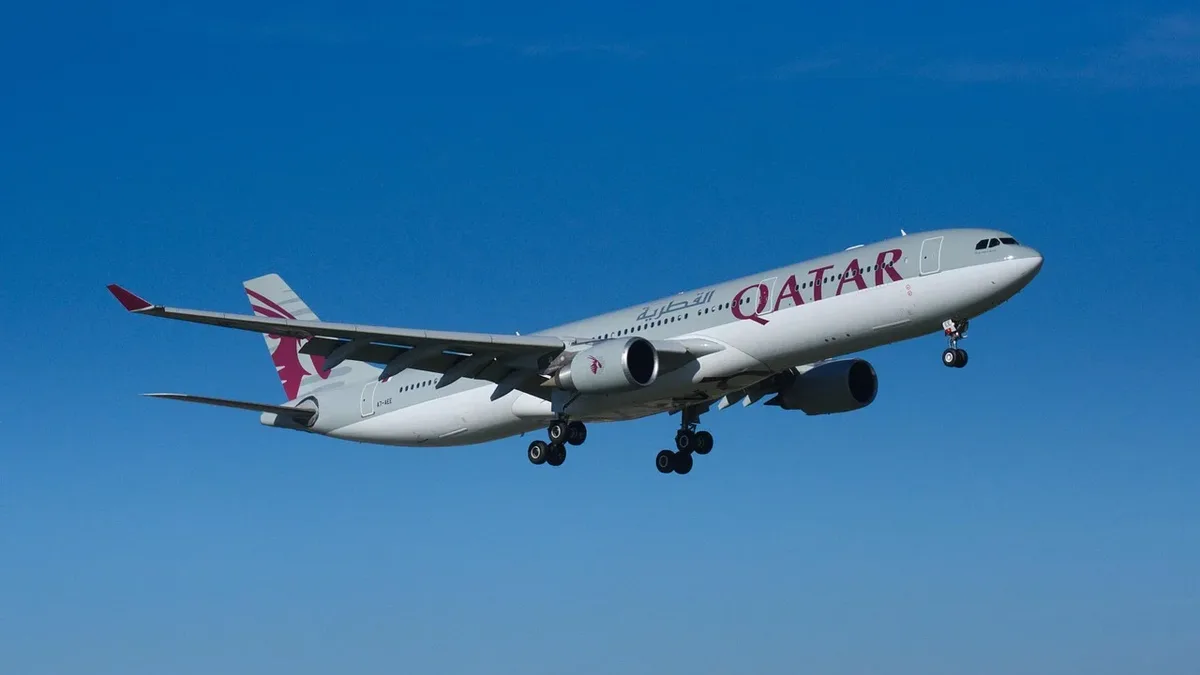
Qatar Airways launches new London menu with chef James
Qatar Airways has introduced a new business class menu created by two-Michelin-starred chef James Knappett for flights from London Heathrow to Doha.
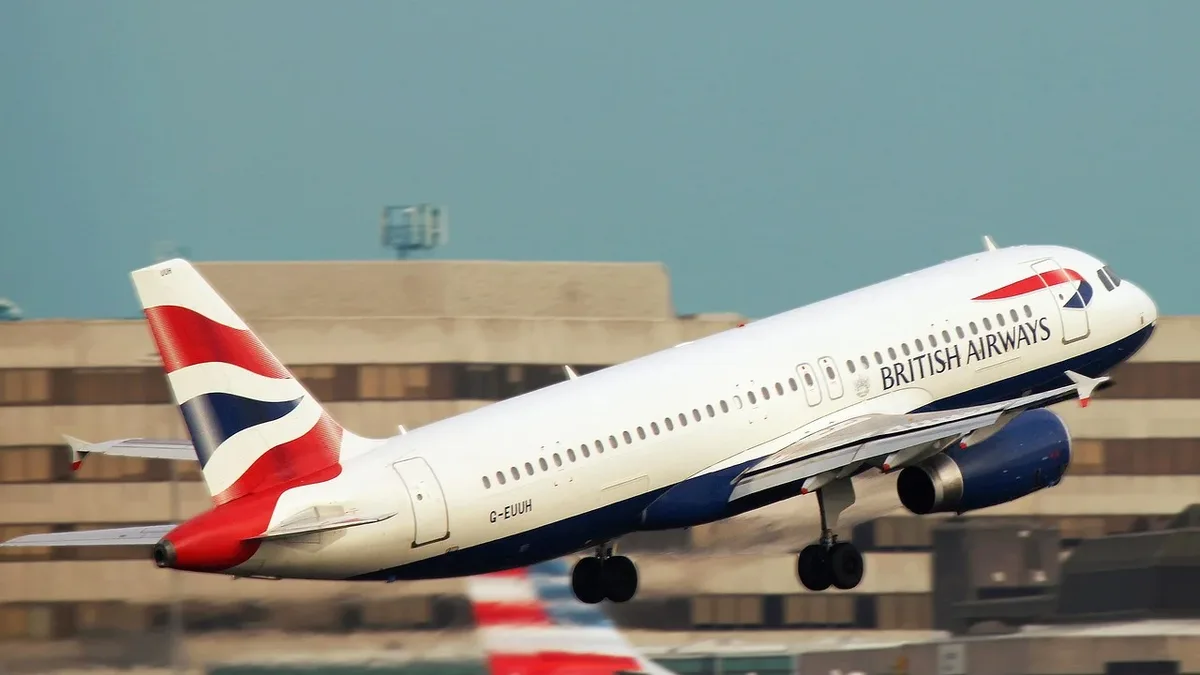
British Airways adds Kilimanjaro and Zanzibar flights
British Airways will launch new seasonal flights from London Gatwick to Kilimanjaro and Zanzibar in Tanzania from May 2027, with Avios reward seats
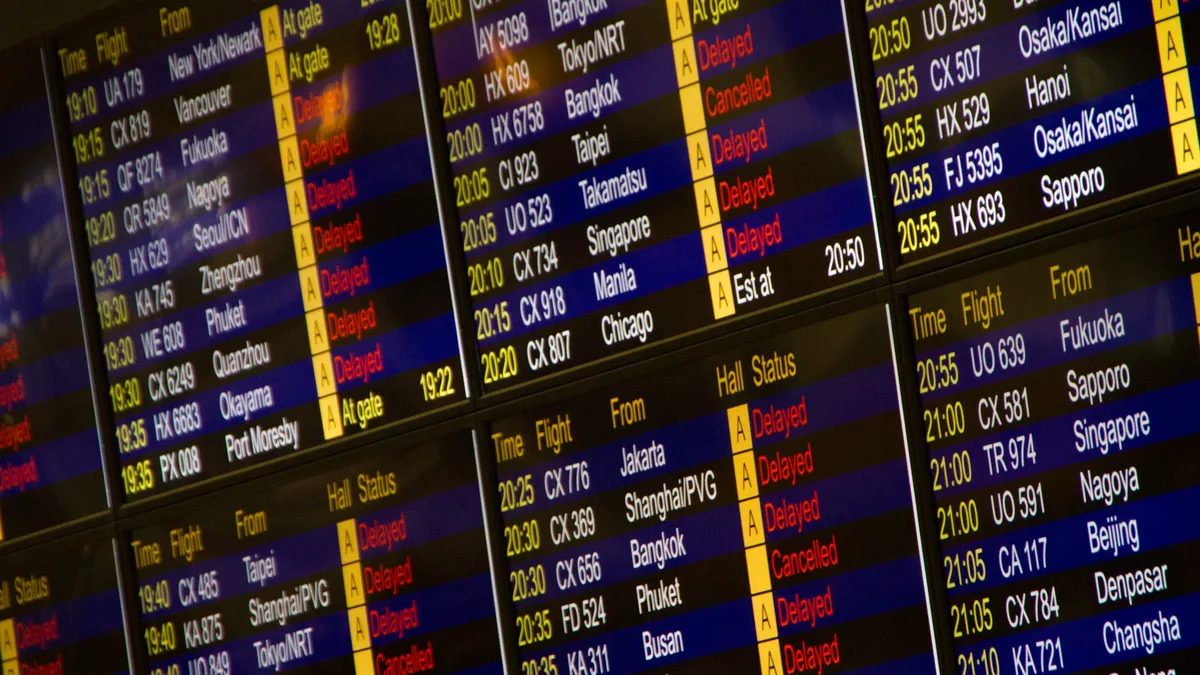
NATS System Failure Grounds UK Flights, Causes Major Delays
A technical failure in the UK's air traffic control flight processing system has caused widespread flight delays and cancellations, particularly at...
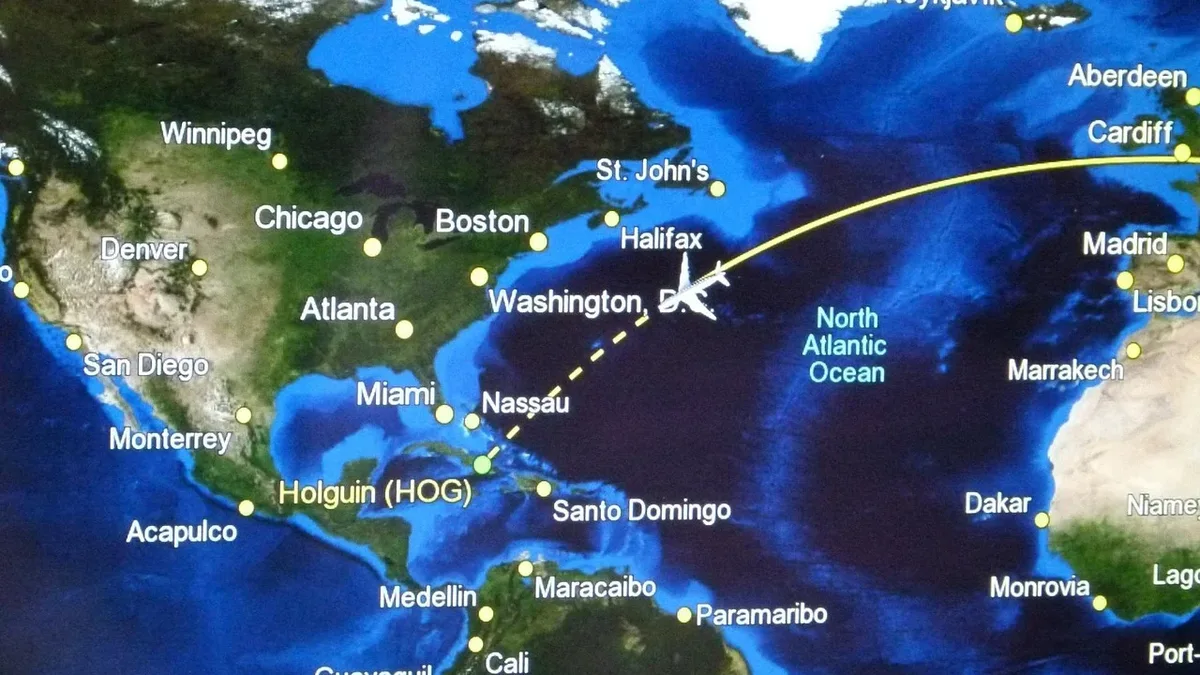
American Airlines adds Amsterdam and Nice to New York-JFK
American Airlines is launching ten nonstop routes from New York-JFK to Europe for summer 2027, including new services to Amsterdam and Nice.
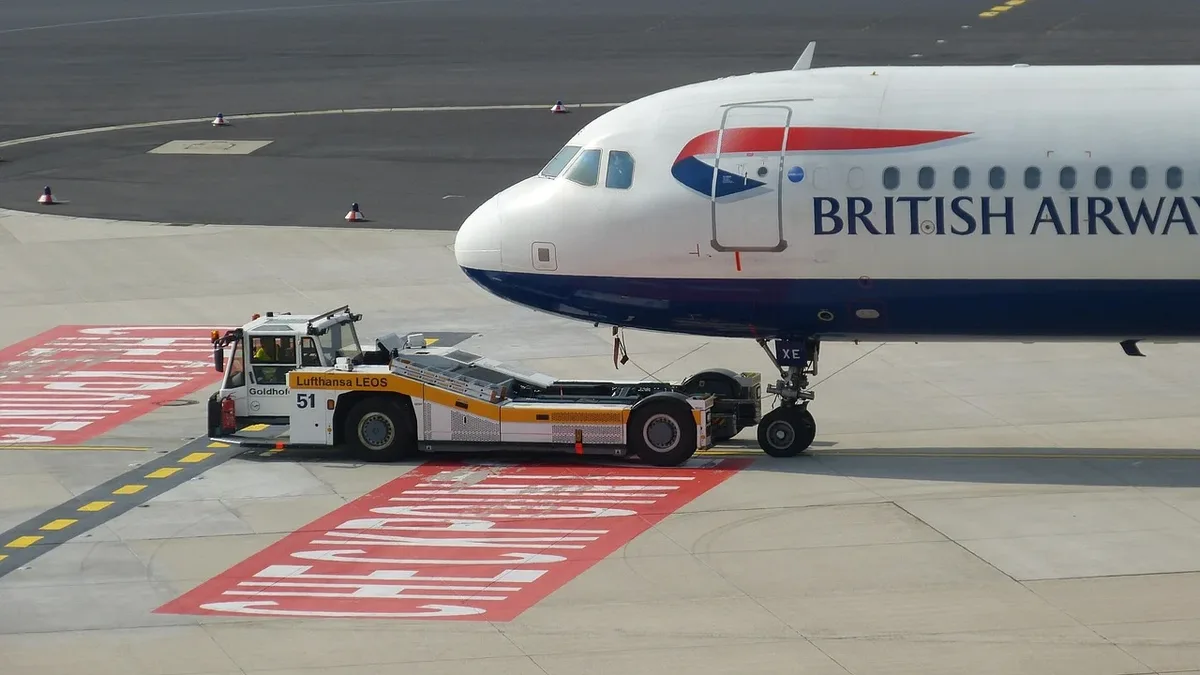
British Airways flight delayed after emergency slide deploys
A British Airways flight from Montreal to London was delayed for three and a half hours after an emergency slide accidentally deployed onto a catering

Frontier Airlines to Exit New York JFK Airport on October 5
Frontier Airlines will cease all operations at New York JFK Airport on October 5, ending a two-year presence. The ultra-low-cost carrier cited high...