Boeing 777-9s Parked In Washington Await
More than 30 completed Boeing 777-9 aircraft are parked in Washington State because they were built before the final production standard was set.
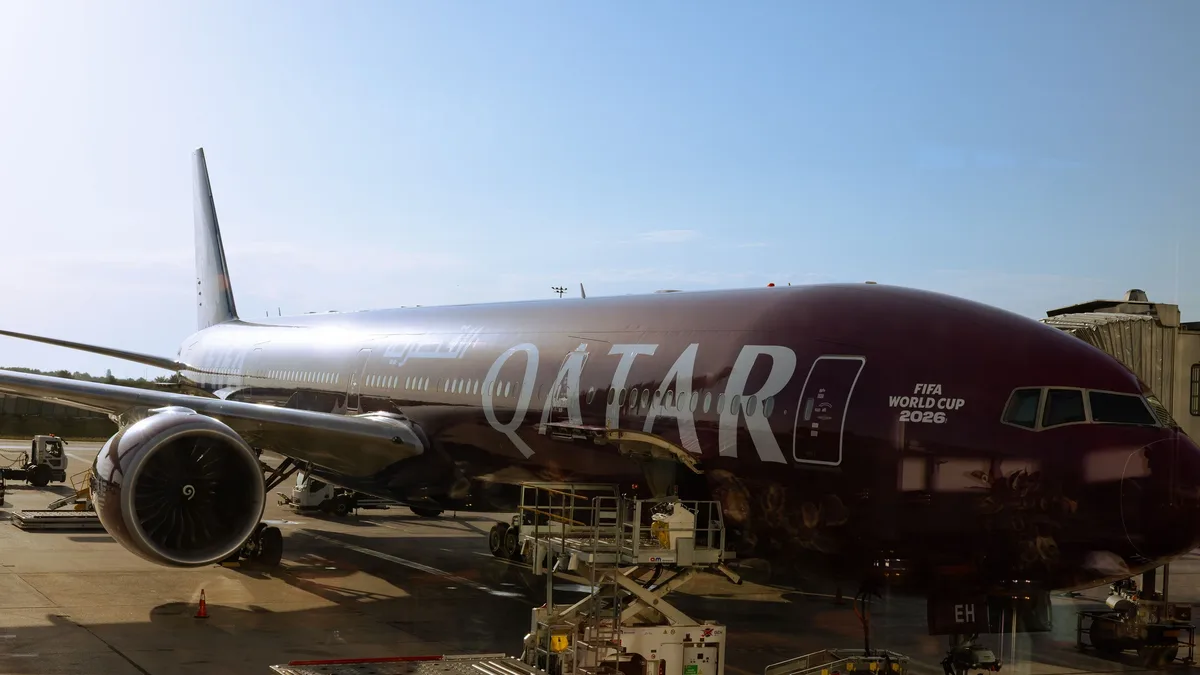
More than 30 completed or nearly completed Boeing 777-9 aircraft are parked at locations in Washington State, including Paine Field and Moses Lake. These airframes were built before the final production standard for the 777X was established, leaving them in need of modifications before airlines can accept them.
Lufthansa, a launch customer for the program, is now in discussions with Boeing over which of these early-built aircraft it will accept. The airline's Chief Executive Officer Carsten Spohr has stated that financial compensation from Boeing would be required if Lufthansa takes aircraft that need to be modernized later.
The Finished But Incomplete Fleet
The parked 777-9s look ready but cannot be handed to an airline for commercial service. Reports indicate these are pre-standard aircraft awaiting modifications to match Boeing's final delivery configuration. An airline accepting one would effectively receive an aircraft needing additional work to become equivalent to later production models.
This situation exists because Boeing has been building customer aircraft while simultaneously completing certification and production work. The 777X program's lengthy certification timeline has made the gap between the earliest completed airframes and the final configuration particularly significant.
Certification Progress and Remaining Steps
Boeing's certification update provides a more encouraging picture. The company stated in July that the 777-9 had completed 50% of its planned certification testing. The test fleet has accumulated more than 4,800 flight hours across roughly 1,700 flights.
Most Type Inspection Authorizations have been granted. Important remaining steps include approvals associated with ETOPS demonstrations. Boeing continues to target first deliveries in 2027, with Lufthansa expecting its first aircraft during that broader timeframe.
For context, the parallel 737 MAX 10 program was reported at 98% completion in certification flight testing. It had accumulated about 2,060 flight hours across 972 test flights. The 777-9 remains at a much earlier point in its overall certification workload.
| Aircraft Model | Certification Flight Test Completion | Flight Hours | Test Flights |
|---|---|---|---|
| Boeing 777-9 | 50% | 4,800+ | ~1,700 |
| Boeing 737 MAX 10 | 98% | ~2,060 | 972 |
Airline Negotiations Over Early Aircraft
Lufthansa's position closely resembles that of Emirates, which has publicly expressed reluctance to accept the earliest 777-9 examples. Spohr acknowledged Lufthansa has been less public but said the situation is essentially the same. The concern is whether taking an early aircraft creates additional downtime, engineering work, maintenance complexity, and uncertainty.
For airlines, the issue is not simply whether an early aircraft can eventually be made compliant. It is whether accepting it creates avoidable costs and operational disadvantages compared to receiving a later-built aircraft. Boeing's compensation discussions are therefore central to resolving the status of the parked planes.
A Legacy of Program Delays
The 777X was supposed to enter service years ago. Boeing continued developing the aircraft and preparing production airplanes while the regulatory process stretched beyond the original schedule. As a result, the company completed some aircraft before knowing the exact requirements of the final certified configuration.
This creates a difficult choice. Leaving the aircraft parked preserves them while necessary changes are worked through, but every month adds storage, maintenance, and financing costs. Sending them to customers without appropriate modifications would force airlines to schedule additional work and potentially accept lower utilization from brand new aircraft.
The reported fleet of more than 30 parked aircraft represents both a liability and a sign of program progress. Boeing would not have dozens of customer-bound 777Xs sitting around if it were still at the early design stage.
Source: Simple Flying