Two-Person Cockpit Rule Scrutinized After Flydubai Incident
A recent flydubai cockpit altercation has reignited debate over the global patchwork of rules requiring two people in the flight deck.
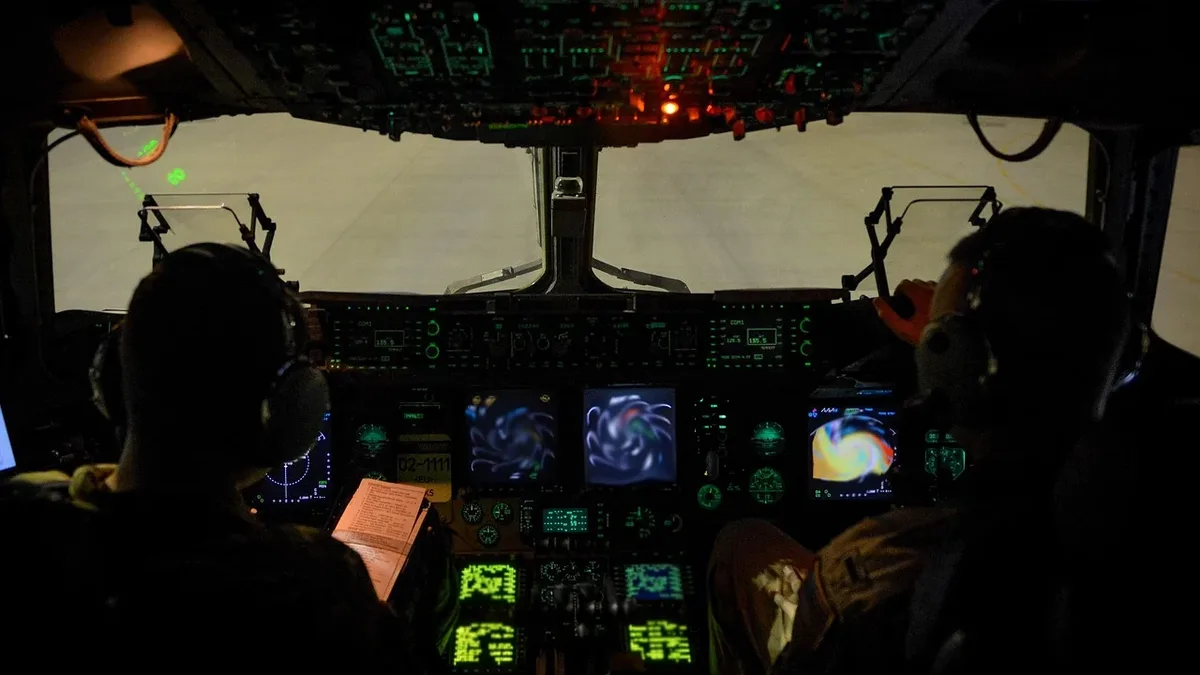
The two-person cockpit rule is being re-evaluated after a recent flydubai incident highlighted its importance. This safety measure, which requires a second person in the cockpit whenever a pilot leaves, was developed in response to past tragedies where pilots used the cockpit as a weapon. The United States mandates the rule, but most other countries and airlines do not enforce it, leaving pilots alone and vulnerable to mental health crises or intentional acts.
This rule is not primarily about pilot incapacitation. Cockpit access codes can unlock the door if not rejected within a certain time. Its core purpose is to reduce the risk of a pilot deliberately locking the other pilot out. A single pilot with intent can disable controls or lock others out with no emergency override for deliberate acts. Safety advocates call it a best practice and question why global regulators do not uniformly agree.
Global implementation varies widely
Regulatory approaches to the two-person cockpit rule differ significantly across regions and airlines. The United States requires a second person in the cockpit whenever a pilot leaves, with a flight attendant stepping in if only two pilots are present. In contrast, the European Aviation Safety Agency (EASA) initially recommended dual-occupancy after the Germanwings crash but later softened its stance, allowing airlines to self-assess risk. Most global airlines do not enforce the rule, often citing operational efficiency concerns.
Safety advocates argue that mental health risks outweigh minor staffing burdens. The flydubai incident this week ended without catastrophe specifically because a second pilot was present. This event shows that travelers face a higher risk if their airline does not enforce dual cockpit occupancy. The Lufthansa Group, which included Germanwings, reversed its policy on the rule a little over a year after the EASA recommendation.
Historical context of cockpit lockouts
Multiple fatal crashes involved pilots deliberately locking out crewmates, prompting safety recommendations. These intentional acts have become an increasingly large percentage of aviation accidents over the past fifteen years.
| Date | Airline & Aircraft | Event Description |
|---|---|---|
| November 29, 2013 | LAM Mozambique Embraer E190 | Deliberately crashed by the captain after locking the first officer out of the cockpit. |
| March 8, 2014 | Malaysia Airlines Boeing 777 | Went missing, with evidence suggesting the captain locked the first officer out and flew the plane into the ocean. |
| March 24, 2015 | Germanwings Airbus A320 | Deliberately crashed by the first officer after locking the captain out of the cockpit. |
Current regulatory stance and challenges
Regulators have softened mandatory enforcement while airlines balance safety with operational concerns. EASA issued a safety bulletin after the Germanwings crash recommending that airlines always have at least two people in the cockpit whenever possible. It later updated that recommendation, suggesting airlines assess their own risks in deciding whether to implement the rule. This has led to a downgrade from mandatory enforcement to a guideline, creating the current inconsistent global landscape.
The recent flydubai Boeing 737 incident involved an attack by the first officer on the captain. Having two pilots present in the cockpit allowed the captain to open the door and let others in, preventing a worse outcome. The event serves as a stark reminder of the rule's utility, closing the discussion on a concrete example of its effectiveness in a crisis.