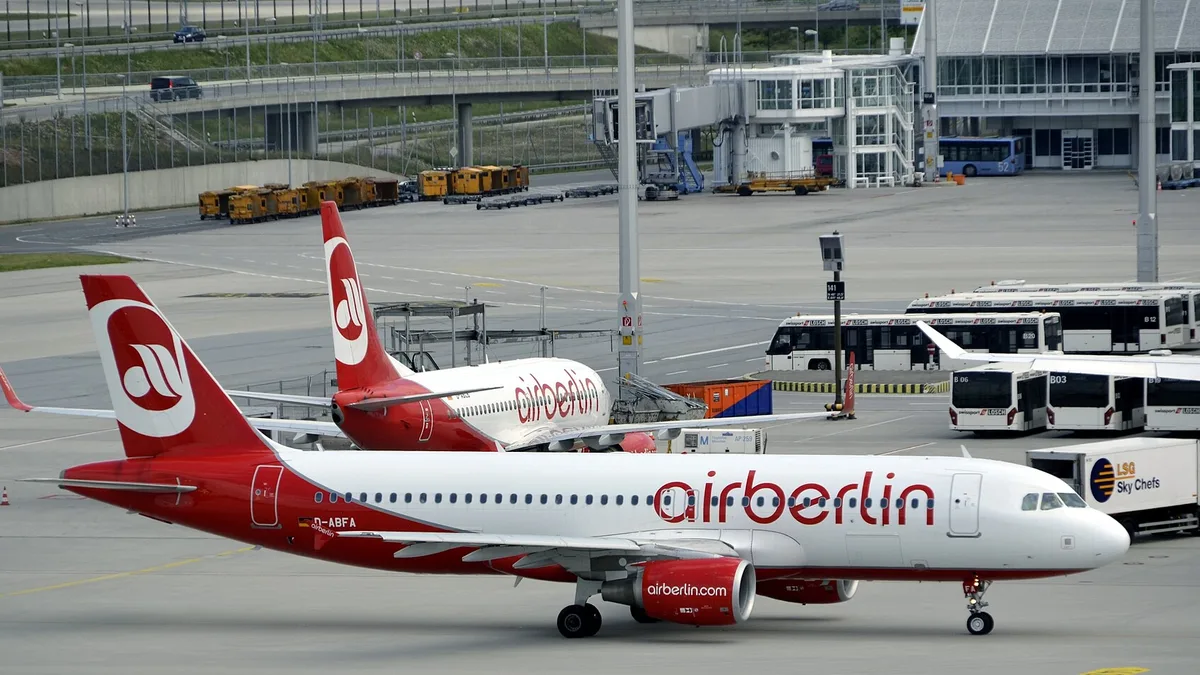
Berlin Munich
| Route type | High-speed rail |
|---|---|
| Operator | Deutsche Bahn |
| Train types | ICE (InterCity Express) |
| Approximate journey time | 6 to 7 hours |
| Fare structure | Variable (advance, flexible, saver) |
| Included in fare | Seat reservation (on most tickets), transport of one piece of hand luggage |
| Compensation for delay | EU-regulated, based on delay length and ticket type |
Origin and history
The Berlin Munich is a long-distance rail route connecting the capital city of Germany, Berlin, with the major southern city of Munich in Bavaria. The route has existed since the 19th century, following the expansion of the German railway network during the era of the German Empire. Its modern high-speed iteration, however, was fundamentally established in the late 20th century with the development of dedicated high-speed lines. The completion of sections like the Nuremberg–Ingolstadt line in the 2000s significantly reduced travel times. The route is operated primarily by Deutsche Bahn, Germany's national railway company, utilizing its ICE (InterCity Express) high-speed train fleet. It stands as one of the most important and heavily trafficked domestic corridors in the European rail system.
What it is for
The primary function of the Berlin Munich route is to provide a rapid, direct passenger rail connection between two of Germany's most significant economic and political centers. It serves business travel, tourism, and general transit needs, offering an alternative to domestic air travel and private car use. The route integrates several major cities along its path, including Leipzig, Erfurt, and Nuremberg, providing vital regional connectivity. It forms a key part of the broader European high-speed rail network, with through connections to other international destinations. The service is designed for efficiency, with multiple daily departures and a travel time of approximately four hours for the fastest non-stop services. Its existence supports national and European Union transport policies aimed at increasing sustainable mobility and reducing carbon emissions from transport.
Pros and cons
A primary advantage of the Berlin Munich route is its city-center to city-center convenience, eliminating the transfer time and hassle associated with airport travel. The journey is generally comfortable, with spacious seating, reliable Wi-Fi, and the ability to move freely, which is particularly beneficial for work or leisure during the transit time. However, a significant con is the potential for high cost, as last-minute or peak-time flexible tickets can be more expensive than equivalent airfare, despite the longer airport transit times. The service is also susceptible to delays caused by infrastructure issues, weather, or operational disruptions, which can negate the time-saving advantage and are a frequent source of passenger frustration. Another common mistake is assuming all trains on the route are the newest ICE models, as older rolling stock with fewer amenities and slower maximum speeds are sometimes scheduled, leading to disappointment for travelers expecting a premium experience. The route suits those who value productivity or relaxation en route poorly, as it requires a fixed block of time compared to the faster airborne point-to-point travel, albeit with less usable time overall.
Who it suits
The Berlin Munich route is ideally suited for business travelers who need to work during the journey and appreciate the reliable internet connectivity and lack of strict baggage limitations. It is also a strong choice for leisure travelers who prioritize environmental sustainability and wish to avoid the carbon footprint of short-haul flights. Tourists with significant luggage, who find airport transfers cumbersome, benefit from the direct arrival into central urban areas with easy access to local public transport. The service is less suitable for travelers on a very tight budget who have not booked far in advance, as cheaper airfare or bus alternatives may be available. It is also less ideal for those with extreme time sensitivity, where even a potential delay of an hour is unacceptable, making air travel the more predictable, if not faster door-to-door, option. Finally, it is well-suited for individuals who simply prefer the comfort and scenic views of a ground-based journey through the German countryside over the confined experience of an airplane cabin.
Latest Berlin Munich news
Latest reporting
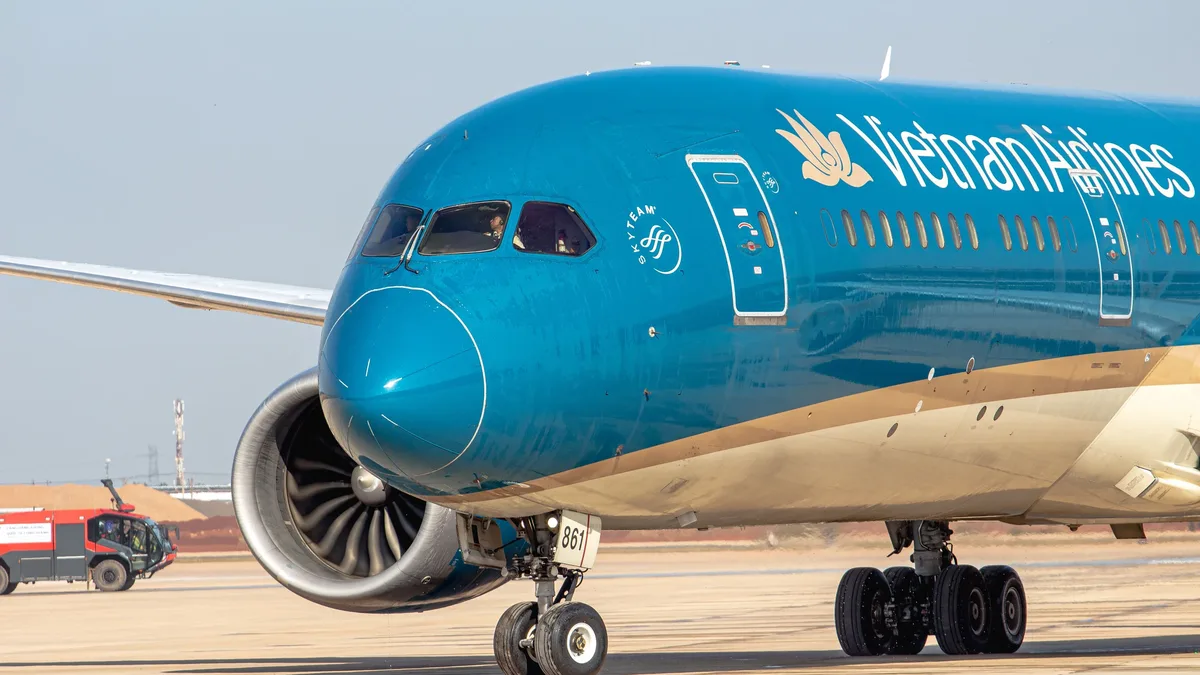
Vietnam Airlines 787-9 runway overrun Munich August 2026
A Vietnam Airlines Boeing 787-9 overran the runway at Munich Airport during takeoff on August 15, 2026, after repeated brake inputs from the captain's
Vietnam Airlines 787 Overrun: Preliminary Report Reveals New Clues
A preliminary report from Vietnam's aviation authority has shed light on the dramatic incident involving a Vietnam Airlines Boeing 787-9 at Munich...
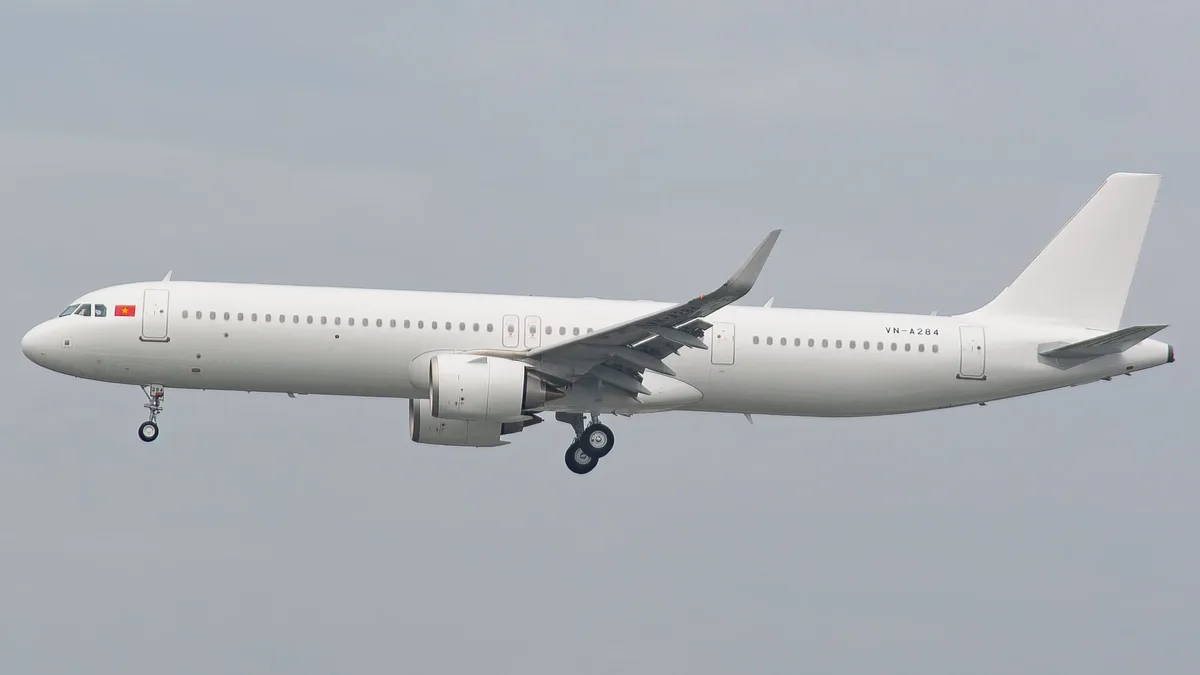
Vietnam Airlines Boeing 787 Suffers Substantial Damage in Munich Takeoff Incident
A Vietnam Airlines Boeing 787-9 suffered substantial damage after its tail struck the ground during takeoff from Munich Airport on August 15, 2026...
Emirates' Oldest Airbus A380 Still Flying Long-Haul Routes at 20 Years Old
Emirates' oldest Airbus A380, registered A6-EDF, continues to operate long-haul routes despite being nearly 21 years old. The aircraft, delivered in...