Paris New York
| Route type | Long-haul intercontinental flight |
|---|---|
| First flown commercially | 20th century |
| Original use | Passenger and cargo transport |
| Aircraft typically used | Wide-body twinjet or quadjet |
| Typical flight time | 7 to 8 hours (eastbound), 8 to 9 hours (westbound) |
| Distance | Approximately 5,800 km (3,600 mi) |
| Primary airports | Paris-Charles de Gaulle (CDG) to New York-John F. Kennedy (JFK) |
Origin and history
The Paris New York route is a major transatlantic air corridor connecting Europe and North America. Its origin is not a single event but the establishment of scheduled commercial air service between the two cities. The first non-stop commercial flights between Paris and New York were pioneered in the mid-20th century, following advancements in long-range aircraft technology. Regular commercial service became firmly established in the post-World War II era, with the late 1940s and 1950s seeing its development by flagship carriers. The route evolved from propeller-driven aircraft to jet service, which significantly reduced travel time and increased passenger capacity. It has since become one of the world's most trafficked and commercially important long-haul airline routes.
What it is for
This route provides direct air transportation for passengers and cargo between the French capital and the major metropolitan area of New York. Its primary function is to facilitate business travel, tourism, and diplomatic exchange between two major global hubs. The route serves as a critical link for connecting traffic, where passengers from across Europe, Africa, and the Middle East connect in Paris to reach New York and vice versa. It is a vital conduit for time-sensitive air freight, including diplomatic documents, pharmaceuticals, and high-value electronics. Multiple airlines operate scheduled services on this corridor, offering passengers a choice of carriers, service classes, and flight times. The route's infrastructure relies on two major airport systems: Paris-Charles de Gaulle and Paris-Orly on one end, and New York's John F. Kennedy International and Newark Liberty International on the other.
Pros and cons
A primary pro of this route is its high frequency and multiple airline options, providing flexibility and competitive pricing. The service quality is generally high due to its prestige, with airlines deploying modern, long-haul aircraft equipped with advanced amenities. A significant con is its vulnerability to operational disruptions, including frequent air traffic control delays in the Northeast U.S. and European airspace congestion. Passengers often regret choosing the most basic economy fare without understanding its severe restrictions on changes, seat selection, and baggage, leading to high additional costs at the airport. A common mistake is underestimating transit times and passport control at the large hub airports involved, causing missed connections or extreme stress. The route is also subject to seasonal price surges during summer and major holidays, making last-minute travel prohibitively expensive for many.
Who it suits
This route suits business travelers who require direct, frequent service between two major economic centers and can utilize airline loyalty programs. It is well-suited for tourists with fixed itineraries who book well in advance to secure lower fares and prefer non-stop travel to maximize time at their destination. The route suits passengers needing reliable connections to other cities, as both Paris and New York airports offer extensive onward networks. It is less suited for ultra-budget-conscious travelers who might find better value on routes with more low-cost carrier competition or via connecting flights through other European hubs. The route also suits shippers of high-p
Latest Paris New York news
Latest reporting
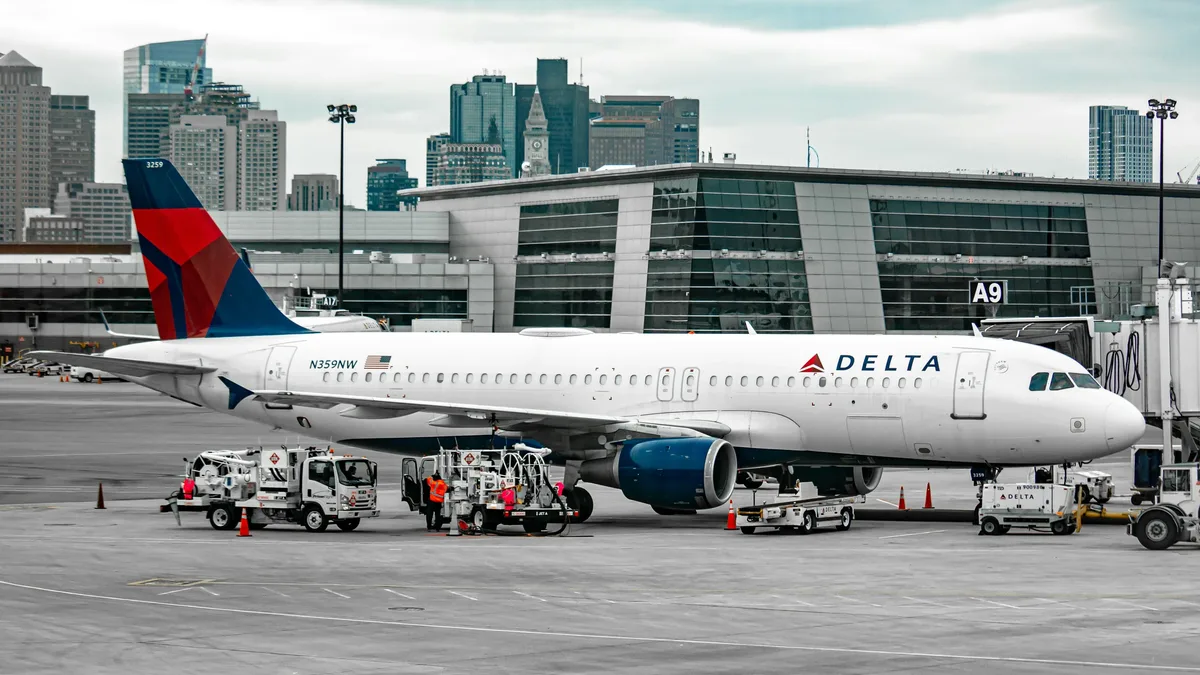
Delta to Launch Only US Nonstop from Austin to Paris in 2027
Delta Air Lines will begin daily Airbus A330-900neo flights from Austin to Paris in March 2027, becoming the sole US carrier with nonstop service...
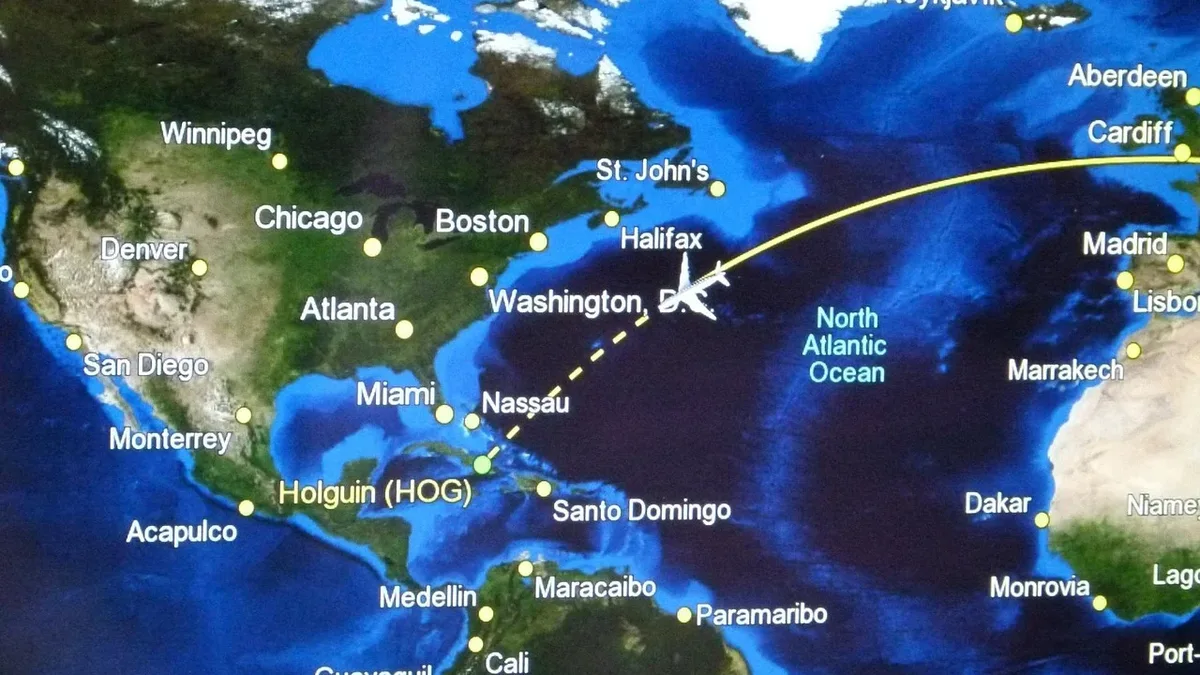
American Airlines adds Amsterdam and Nice to New York-JFK
American Airlines is launching ten nonstop routes from New York-JFK to Europe for summer 2027, including new services to Amsterdam and Nice.

Frontier Airlines to Exit New York JFK Airport on October 5
Frontier Airlines will cease all operations at New York JFK Airport on October 5, ending a two-year presence. The ultra-low-cost carrier cited high...
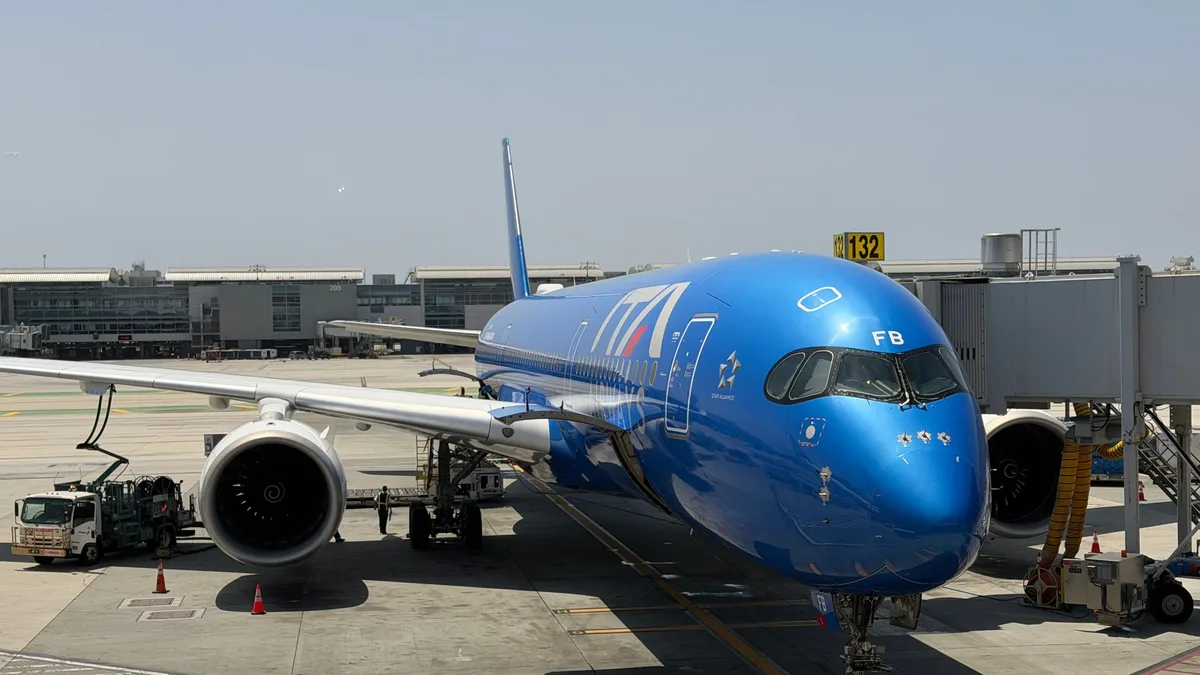
JetBlue gets FAA nod for LaGuardia slots
The FAA has tentatively approved JetBlue's $58.5 million purchase of 22 Spirit Airlines slots at New York-LaGuardia, pending public comment.

Alaska Airlines Expands European Routes with Seasonal Nonstop Flights to Paris and Athens
Alaska Airlines is launching seasonal nonstop flights from Seattle to Paris and Athens, expanding its European network and increasing competition...