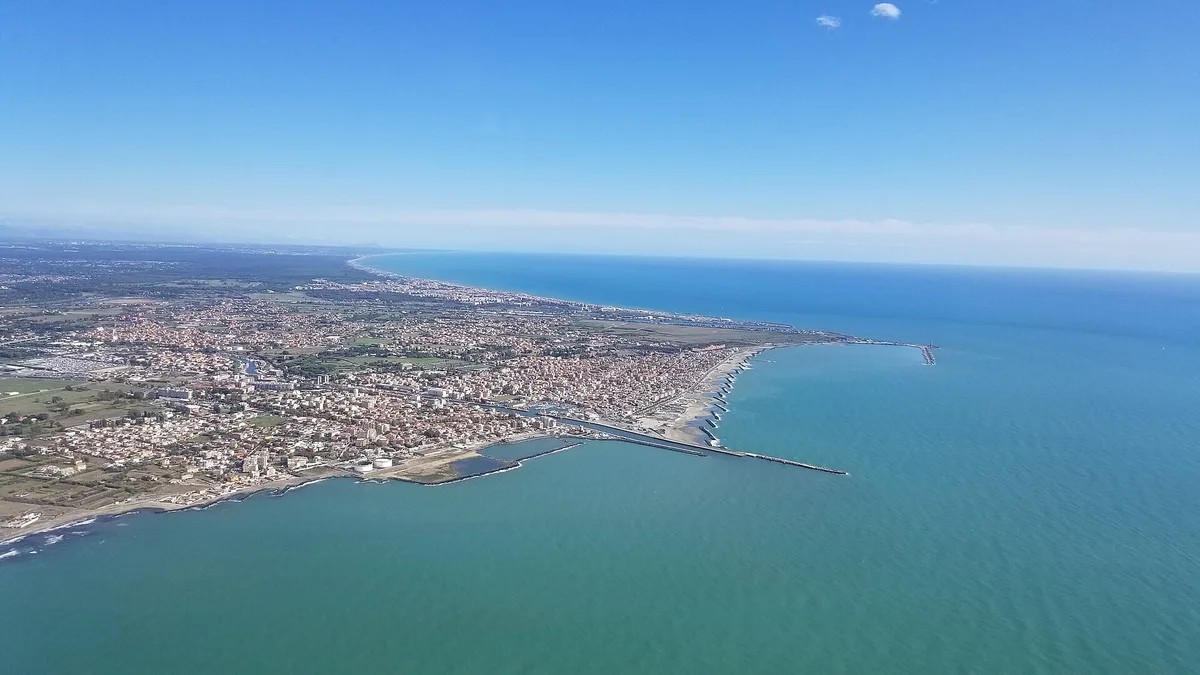
Fiumicino
| Airline name | Fiumicino |
|---|---|
| Country of origin | Italy |
| First launched | 2024 |
| Original use | Low-cost passenger transport |
| Headquarters city | Rome |
| Primary operating base | Rome Fiumicino Airport (FCO) |
| Fare structure | Dynamic pricing, base fare plus optional extras |
| Included in base fare | Seat and one small personal item |
| Owed for operational failure | Re-routing, refund, or care (meals/accommodation) per EU Regulation 261/2004 |
Origin and history
Fiumicino is the name commonly used to refer to Leonardo da Vinci International Airport, which serves Rome, Italy. The airport is named for the nearby coastal suburb of Fiumicino, located in the Lazio region. Its development was planned in the mid-20th century to replace the older Rome Ciampino Airport as the city's primary international gateway. Construction began in the 1950s, and the airport was officially inaugurated and opened to commercial traffic in the early 1960s. It was designed to handle the growing post-war demand for air travel and to establish Rome as a major European hub. The name "Fiumicino" has become the standard shorthand for the airport in travel itineraries and among aviation professionals.
What it is for
Fiumicino Airport functions as Italy's busiest airport and the primary hub for national flag carrier Alitalia, and now for its successor ITA Airways. It serves as the main international gateway to Rome and central Italy, connecting the region to destinations across Europe, Africa, the Americas, Asia, and the Middle East. The airport facilitates both passenger travel and significant cargo operations. Its infrastructure supports a full range of airline business models, including full-service network carriers, low-cost carriers, and charter flights. For passengers, its purpose is to provide a point of arrival, departure, and connection for journeys to, from, and through Rome. The airport also houses extensive facilities for customs, immigration, and security processing required for international travel.
Fiumicino legroom
Legroom, or seat pitch, at Fiumicino Airport is not a standardized measurement, as it is determined by the individual airlines operating flights from the terminal. Passengers must investigate the specific seat pitch offered by the airline and fare class they have booked for their particular flight. Generally, full-service carriers may offer more generous legroom in economy class compared to many low-cost carriers. Some airlines operating from Fiumicino may offer paid options for seats with extra legroom, such as exit row or bulkhead seats. The physical airport infrastructure, including gate waiting areas and boarding queues, does not directly influence the legroom on the aircraft. Therefore, researching airline-specific policies and aircraft types is essential for passengers for whom legroom is a priority.
Overview
Fiumicino Airport is a large, multi-terminal complex featuring four primary passenger terminals, labeled T1, T2, T3, and T5, though T2 is currently integrated into T1 operations. Terminal 3 is the largest and handles most international and intercontinental flights. The airport offers a wide array of passenger amenities, including numerous retail shops, duty-free stores, restaurants, cafes, and lounges. Ground transportation options are comprehensive, with direct train links to Rome's central railway station, regional train services, bus connections, taxi ranks, and car rental facilities. It operates two parallel runways capable of accommodating the largest commercial aircraft, supporting a high volume of flight movements. As a major European hub, it experiences significant passenger traffic year-round, with peaks during the summer tourist season.
What to know
Passengers should know that check-in and security queues at Fiumicino can be lengthy, particularly during peak travel periods, necessitating early arrival at the airport. The airport layout is extensive, and transferring between terminals, especially if arriving from a Schengen area flight and connecting to a non-Schengen flight, requires sufficient time and often involves passport control. Public transit, specifically the Leonardo Express train to Roma Termini, is a reliable and frequent option for reaching central Rome. Taxis operate on a fixed-fare system to central Rome, which is a regulated price, but passengers should ensure they use official white taxis from the designated rank. Lost and found offices, currency exchange bureaus, and VAT refund desks are available but may involve separate procedures and waiting times. Travelers should also be aware that flight disruptions, while managed according to EU regulations, can be challenging due to the high passenger volume and potential for congestion.
Common questions
A common question is whether a visa is required to enter Italy via Fiumicino, which depends entirely on the passenger's nationality and destination, not the airport itself. Travelers frequently ask about the best and cheapest way to get from Fiumicino to downtown Rome, with the Leonardo Express train and shared shuttle buses being the most cited options. Passengers often inquire about the minimum recommended connection time for flights, which varies significantly based on whether the connection is within the Schengen area, from Schengen to non-Schengen, or vice versa. Many ask about the availability and location of left luggage facilities, which are present in Terminals 1 and 3. Questions regarding assistance for passengers with reduced mobility are also frequent, with such services requiring advance request through the airline. Another regular inquiry concerns the process for claiming VAT refunds on purchases made in Italy, which involves specific documentation and validation at the airport before check-in.
Pros and cons
A significant pro of Fiumicino is its extensive global network, offering direct flights to a vast number of worldwide destinations that many other European airports cannot match. Its direct rail link to Rome's city center is efficient and avoids unpredictable road traffic. The airport's modern facilities in Terminal 3 provide a good standard of comfort and a wide selection of shopping and dining. A major con is its frequent congestion, leading to long waits at check-in, security, and immigration, which can cause significant stress and missed connections. The sheer size of the airport can be confusing and physically demanding for passengers with tight connections or mobility issues. Passengers on tight budgets often regret the higher costs associated with everything from airport food to last-minute ground transportation options compared to smaller regional airports.
Who it suits
Fiumicino Airport suits travelers whose itineraries require long-haul international flights to or from Rome, as it is the only airport in the region offering such a breadth of intercontinental routes. It is necessary for passengers flying with network carriers like ITA Airways, Delta, or Emirates, which use it as a hub or primary destination. The airport suits travelers who prioritize direct flight options and are willing to trade potential congestion for convenience and frequency of service. It is less suited to ultra-low-cost travelers seeking the absolute cheapest fares, as the airport charges and operating costs often make base fares higher than those from smaller, low-cost carrier bases. It can be challenging for infrequent or anxious travelers who may find the scale, bureaucracy, and potential for delays overwhelming without careful advance planning.