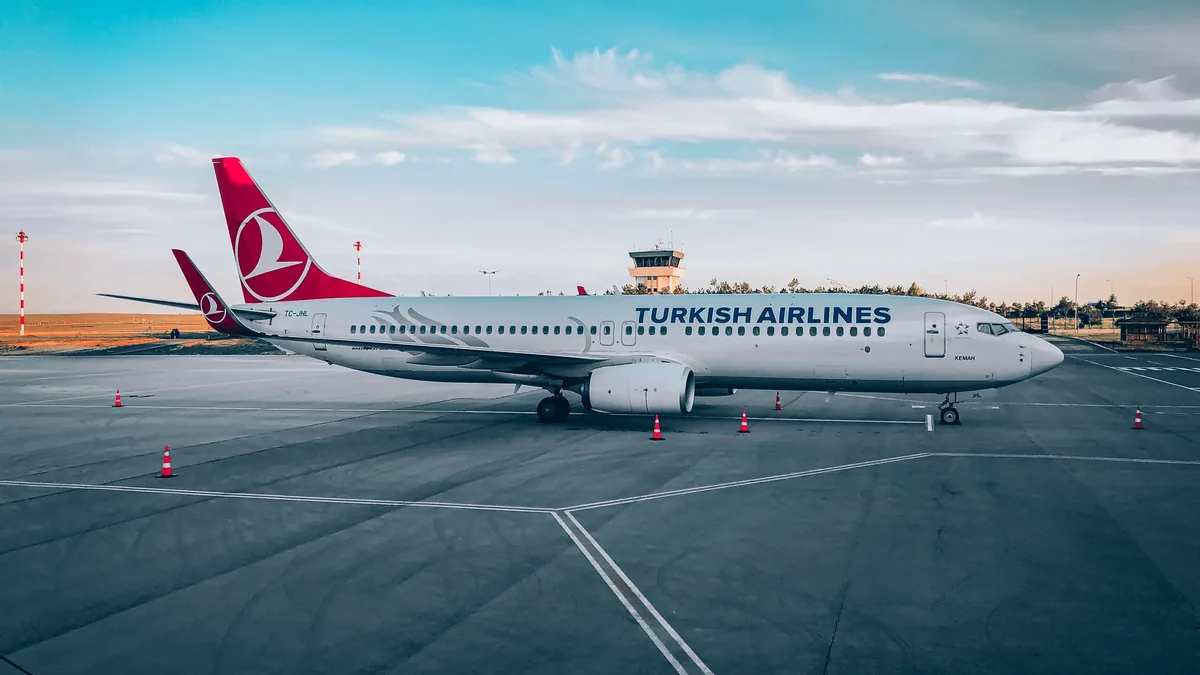
Istanbul As A Connecting Hub
Origin and history
Istanbul's strategic location as a land bridge between Europe and Asia has made it a natural connecting point for trade and travel for centuries. The modern concept of "Istanbul as a Connecting Hub" is intrinsically linked to the rise of Turkish Airlines and the opening of Istanbul Airport. This operational model was developed and scaled in the 21st century, particularly from the 2010s onward, as Turkish Airlines aggressively expanded its global route network. The hub's current primary physical infrastructure, Istanbul Airport (IST), opened for commercial operations in the late 2010s. This followed the prior use of Istanbul Atatürk Airport (ISL) as the airline's main hub, which had already established the city's reputation for connections between a wide array of destinations. The hub model is a deliberate corporate and national strategy to position Istanbul as a global transit point competing with traditional hubs in the Middle East and Europe.
What it is for
The Istanbul connecting hub is designed to facilitate efficient travel between destinations that lack direct flight services, particularly linking cities across Europe, Asia, Africa, and the Americas. Its primary function is to enable passengers to travel from one point to another via a single connection in Istanbul, often on a single ticket issued by Turkish Airlines or its partners. The hub structure allows the airline to consolidate passenger traffic from many smaller or less frequented routes onto larger aircraft for the long-haul segments of journeys. This system serves both leisure travelers seeking to reach a vast array of global destinations and business travelers requiring connectivity to emerging markets. The hub also functions as a critical piece of economic infrastructure, promoting tourism and trade through Turkey by channeling international passengers through its facilities. Furthermore, it supports cargo operations, making Istanbul a significant node for global air freight logistics.
Istanbul As A Connecting Hub legroom
Legroom on flights operating through the Istanbul hub is not a uniform standard, as it depends entirely on the specific aircraft, cabin class, and route operated by Turkish Airlines or its codeshare partners. Passengers transiting through Istanbul will typically experience two different aircraft configurations: one for the inbound flight to Istanbul and another for the outbound flight to their final destination. Turkish Airlines offers varying seat pitches across its economy class cabins, with long-haul aircraft generally providing standard international legroom, while regional or narrow-body aircraft used on shorter sectors may have less space. The airline's "Comfort Class" on certain routes offers enhanced legroom over standard economy, but this is a separate fare class. There is no overarching "hub legroom" policy; the physical experience is determined by the ticket purchased and the specific equipment assigned to the flight. For precise information, passengers must consult seat maps and specifications for their particular flight numbers at the time of booking or seat selection.
Overview
Utilizing Istanbul as a connecting hub involves booking a journey, typically on a single ticket, where your flight path includes a stop at Istanbul Airport (IST) to change aircraft. The entire operation is orchestrated by Turkish Airlines, which schedules waves of arriving and departing flights to minimize connection times and maximize network efficiency. Passengers disembark from their first flight, proceed through the transit security check, and navigate to the gate for their onward flight, all within the same terminal complex at Istanbul Airport. The hub is notable for its extensive destination list, particularly strong coverage across Europe, Asia, and Africa, often providing the only single-airline connection between many city pairs. The airport itself is a modern facility with a wide array of passenger amenities, including lounges, dining, and shopping, designed to accommodate the large volume of transit passengers. The success of a connection here relies on the coordinated scheduling of flights, the airport's design for passenger flow, and the airline's handling of baggage through to the final destination.
What to know
When your fare includes a connection in Istanbul, your checked baggage is typically tagged through to your final destination, and you will not need to collect and re-check it during your layover. Minimum connection times at Istanbul Airport are published by the airline and vary depending on whether the connection is domestic to international or vice versa, but they are generally designed to be efficient, often around 90 minutes or less. All transit passengers must clear a security screening checkpoint after disembarking their first flight and before proceeding to their departure gate; passport control is not required if remaining airside. Turkish Airlines offers a "Touristanbul" service providing free city tours for passengers with long layovers, subject to specific eligibility requirements like connection time and visa regulations. Delays on your inbound flight to Istanbul are the primary risk to making a tight connection, and the airline is responsible for rebooking you on the next available flight if you miss your onward journey due to their operational delay. It is critical to verify visa requirements for Turkey even for transit, as regulations differ by nationality and can change.
Common questions
What happens if my first flight is delayed and I miss my connection in Istanbul? If both flights are on a single ticket and the delay is due to the airline, Turkish Airlines is obligated to rebook you on the next available flight to your destination at no extra charge. Do I need a visa to transit through Istanbul Airport? For many nationalities, a visa is not required if you remain in the international transit area and your connection is within 24 hours, but you must check the specific requirements for your passport before travel. How do I find my connecting gate at Istanbul Airport? Follow the prominent "Transfer" signs after disembarking, which will lead you to transit security and then to the flight information displays; the airport is designed as a single terminal complex to facilitate connections. Is food provided during a layover in Istanbul? Meal provisions depend on your ticket and the length of your layover; you are responsible for meals during extended connections, but the airport offers numerous purchasing options. Will my bags be transferred automatically? Yes, on a single ticket, your baggage is checked through to your final destination, and you do not need to handle it in Istanbul unless instructed by the airline due to a specific customs requirement. What can I do during a long layover? For eligible passengers, free city tours may be available, or you can access lounges (if your fare class includes it or you purchase access) and explore the extensive retail and dining options within the airport.
Pros and cons
The modern airport infrastructure is designed specifically for high-volume transfers, which can make the connection process relatively streamlined compared to older, more fragmented hub airports. Cons include the potential for very tight connection windows that, while operationally efficient, leave little margin for error if the inbound flight is delayed, leading to stressful sprints through the terminal. The hub's success has led to immense passenger volumes, which can result in crowded facilities, long lines at transit security during peak banks, and a sometimes impersonal, factory-like transit experience. Passengers who regret choosing this hub are often those who experienced a misconnect due to a delay and faced difficulties with re-accommodation during peak travel periods when subsequent flights are full. A common mistake is not verifying transit visa requirements or not leaving enough buffer time between separately booked tickets, assuming the airline will protect them if a delay occurs, which they are not obligated to do.
Who it suits
This hub suits travelers whose origin and destination cities lack direct flight options, particularly those traveling to or from secondary cities across the vast networks in Asia and Africa. It is well-suited for passengers who prioritize a wide selection of flight times and frequencies and are comfortable with a single, often efficient, connection to reach their goal. The hub appeals to cost-conscious travelers, as Turkish Airlines' extensive network can sometimes offer competitive fares for complex itineraries compared to other full-service carriers. It suits those who are comfortable navigating large, busy airports and do not mind the inevitable walking and potential crowds involved in a major transfer node. The model is less ideal for travelers who prioritize a direct flight above all else, those with mobility issues who may struggle with the considerable distances within the terminal, or individuals traveling with very short connection times who are anxious about the risk of misconnection. It can be a good fit for adventurous travelers with long layovers who wish to take advantage of the free tour options to briefly explore Istanbul.