Manchester
| Airline code | MAN |
|---|---|
| Headquarters location | Manchester, United Kingdom |
| Fleet size | Medium |
| Primary hubs | Manchester Airport |
| Fare inclusions | Varies by ticket type |
| Baggage allowance | Varies by fare and route |
| Route network | Short-haul and medium-haul European destinations |
| Customer service channels | Phone, email, social media |
| Compensation policy | Governed by UK/EU passenger rights regulations |
Origin and history
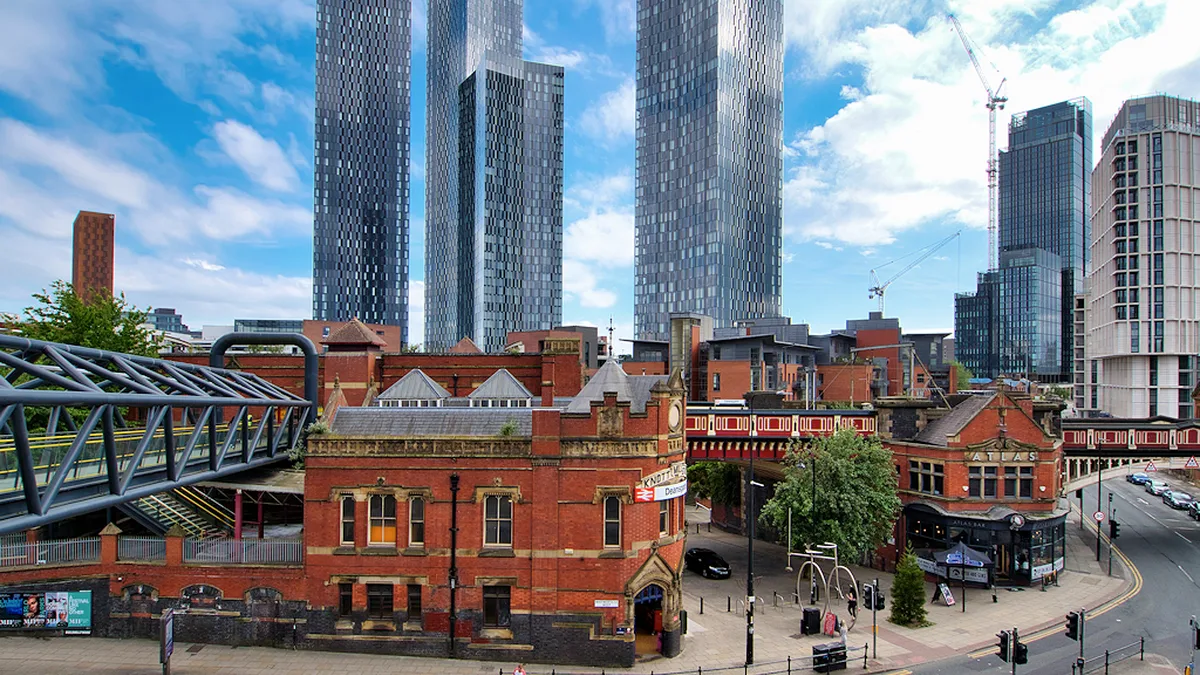
Manchester is a city in the North West of England, United Kingdom, with origins dating back to the Roman settlement of Mamucium in the 1st century AD. Its modern identity was fundamentally shaped during the Industrial Revolution of the 18th and 19th centuries. The city became the world's first industrialised metropolis, central to the global cotton and textile trade. This rapid industrial expansion drove massive population growth and urban development throughout the 1800s. Following a period of post-industrial decline in the mid-20th century, Manchester underwent significant regeneration from the late 20th century onwards. Its contemporary status as a major cultural, economic, and transport hub is a direct result of this long and transformative history.
What it is for
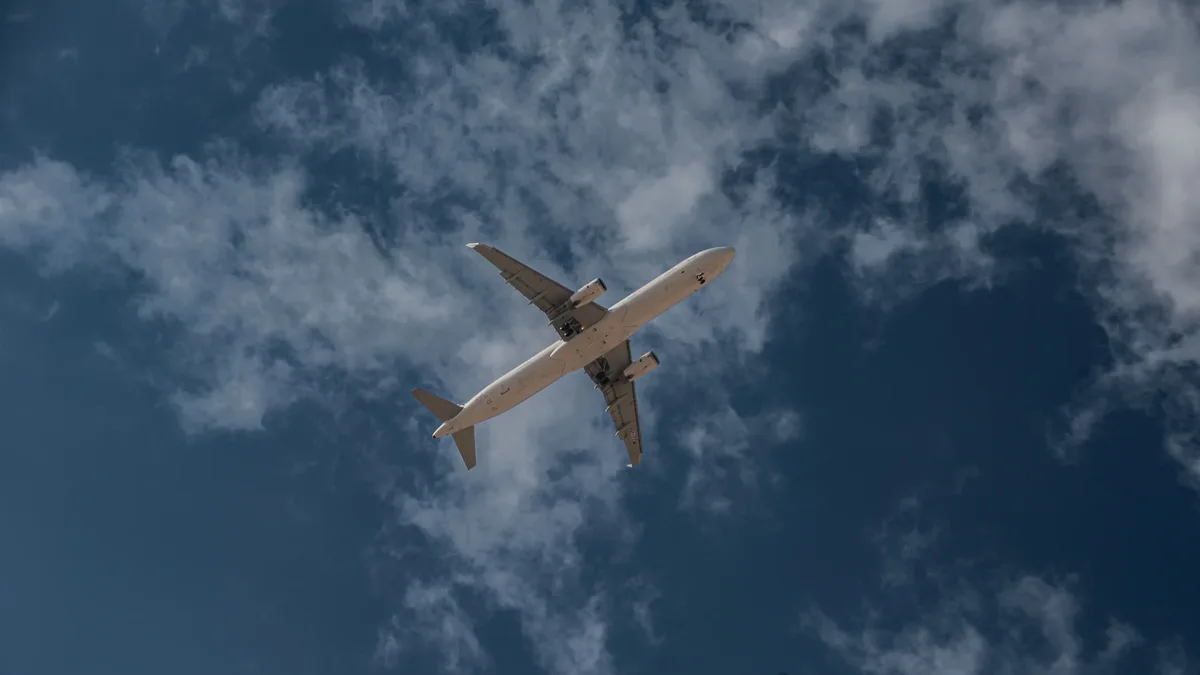
Manchester serves as a primary international and domestic air travel gateway for the North of England. The airport facilitates business travel, connecting the region's commercial sectors to global markets. It supports tourism, bringing visitors to both the city and wider regions like the Peak District and Lake District. The airport is crucial for family and personal travel, offering a wide range of leisure destinations. It functions as a major cargo and logistics hub for freight operations. Furthermore, it provides essential connectivity for students attending the numerous universities in the region and for diaspora communities travelling to and from their countries of origin.
Manchester legroom
Legroom on flights operating from Manchester Airport is not determined by the airport itself but by the individual airline you select. Airlines have specific seat pitch policies, which is the distance between a point on one seat and the same point on the seat in front. Carriers like charter airlines and some low-cost carriers typically configure their aircraft with tighter seat pitches to maximise passenger capacity. Full-service network airlines generally offer more generous legroom in their standard economy cabins. It is essential to review the specific seat specifications for your chosen airline and aircraft type before booking. Some airlines also offer the option to purchase seats with extra legroom, such as exit row or bulkhead seats, for an additional fee.
Overview
It operates as a hub for several airlines and serves over 200 destinations worldwide, handling tens of millions of passengers annually. The airport features extensive ground transportation links, including direct rail, bus, and road connections. Facilities across its terminals include a wide range of retail outlets, restaurants, lounges, and currency exchange services. Security and border control operations are conducted in accordance with UK aviation regulations. The airport operates around the clock, with flight schedules encompassing short-haul European routes and long-haul intercontinental services.
What to know
When flying from Manchester, always verify your departure terminal in advance, as airline allocations can change and the walk between terminals is significant. Allow ample time for travel to the airport, as surrounding motorways (M56, M60) are often congested during peak periods. Check-in and bag drop deadlines are strictly enforced by airlines, typically closing 60 minutes for short-haul and 90 minutes for long-haul flights. Be prepared for potentially lengthy security queues, especially during early morning peaks, school holidays, and weekends. Familiarise yourself with the UK's hand luggage liquid rules and prohibited items to avoid delays at security screening. Note that flight delays and cancellations are governed by UK law, which may entitle you to assistance and compensation under Regulation EC 261/2004.
Common questions
What is the best way to travel between Manchester Airport and the city centre? The most frequent direct connection is the train service, which takes approximately 20 minutes to Manchester Piccadilly station. Are there hotels directly at the airport? Yes, there are several on-site hotels connected to the terminals via covered walkways, as well as numerous others nearby with shuttle services. Can I sleep overnight in the airport terminals? While the terminals do not officially encourage it, passengers with early flights often stay in pre-security departure areas, which remain open but offer limited comfort. What happens if my flight from Manchester is cancelled? The operating airline is obligated to provide you with care (meals, refreshments, and if necessary, accommodation) and to offer you a choice between rerouting or a refund. Is there a left luggage facility? Yes, left luggage services are available in all three terminals for a daily fee. How early should I arrive for my flight? Airlines and the airport typically advise arriving at the airport at least two hours before a short-haul flight and three hours for a long-haul flight.
Pros and cons
A primary advantage of Manchester Airport is its extensive network of direct long-haul flights, avoiding the need for a connection via London for many destinations. The range of airlines operating includes both full-service and low-cost carriers, providing competitive fare options. However, common complaints include overcrowding during peak travel periods, leading to stressful experiences at check-in, security, and in departure lounges. Terminal 1 and 2 security queues are particularly noted for their length and slow-moving nature at busy times. Passengers who regret choosing Manchester often cite these congestion issues and a perception of chaotic organisation during disruptions. A common mistake is underestimating travel time to the airport and terminal transfer time, which has caused many passengers to miss flights.
Who it suits
Manchester Airport suits residents of Northern England, North Wales, and the Midlands for whom it is the most geographically convenient major international gateway. It is well-suited for travellers seeking direct long-haul flights to destinations such as the United States, the Middle East, and Asia without transiting through London. The airport is practical for large family groups and less mobile passengers due to its single-level layouts in Terminals 1 and 3 and available assistance services. It caters effectively to budget-conscious travellers through the operations of several low-cost carriers offering a high frequency of European routes. Business travellers benefit from the proximity to the region's commercial centres and the availability of global network airline services. Conversely, it is less suited for those living in southern parts of the UK or passengers with a low tolerance for busy, crowded airport environments.