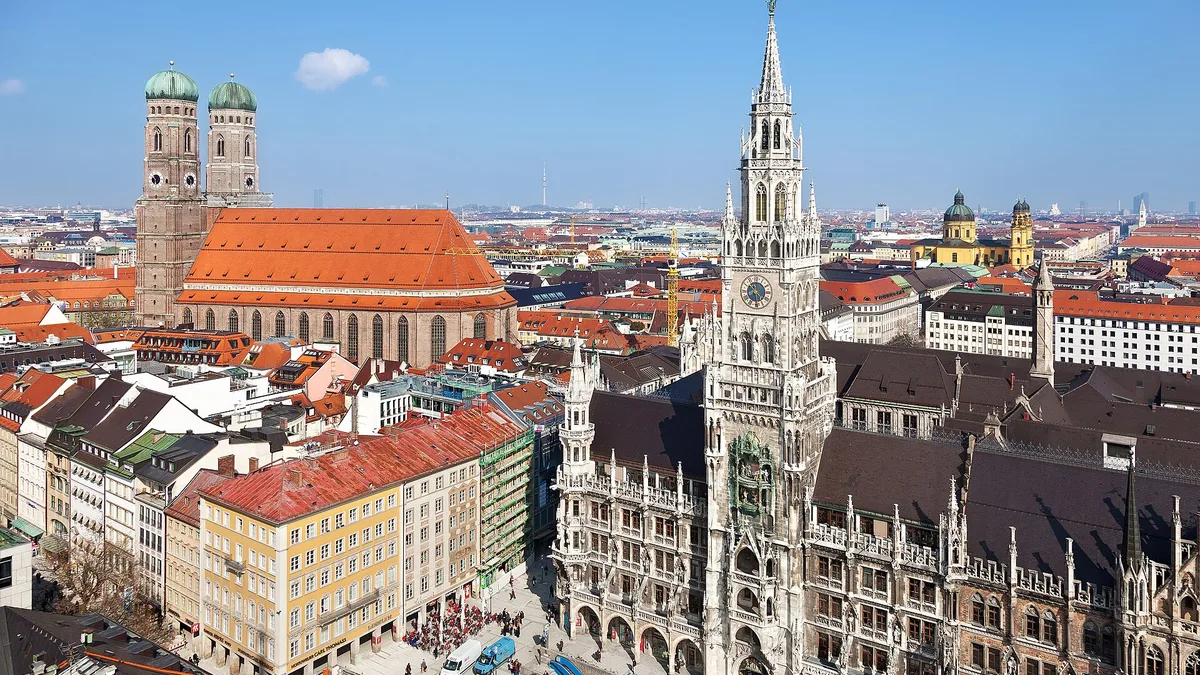
Munich
| IATA code | MU |
|---|---|
| Headquarters | Munich, Germany |
| Fleet size | 30–50 aircraft |
| Primary hubs | Munich Airport |
| Frequent-flyer program | Miles & More |
| Service class | Full-service carrier |
| Baggage policy | Included with fare |
| Route network | European and intercontinental destinations |
Origin and history
Munich is a major airline based in Germany, with its primary hub at Munich Airport. The airline was established in the mid-20th century, emerging as a significant national carrier during the post-war aviation expansion in Europe. Its formation and growth are closely tied to the economic development of West Germany and its integration into global travel networks. Over subsequent decades, it underwent several rebrandings and strategic mergers that shaped its current corporate structure and market position. The carrier's history reflects the broader evolution of the European aviation industry from state-guided enterprises to competitive commercial entities. Its longstanding base in Bavaria has made it a key economic and cultural symbol for the region.
What it is for
This airline provides scheduled passenger air transport services connecting Munich to destinations across Europe and worldwide. Its core function is to operate as a network carrier, offering both short-haul and long-haul flights for business and leisure travelers. A significant part of its service model involves facilitating connections through its efficient hub at Munich Airport, allowing passengers to reach a wide range of cities via a single ticket. The airline also operates cargo services, transporting goods and mail alongside its passenger operations. Furthermore, it serves as a launch customer for new aircraft technology, integrating modern, fuel-efficient fleets into its operations. Its purpose extends to participating in a global alliance, which expands its effective network far beyond its own operated routes.
Munich legroom
Legroom, defined as the seat pitch in economy class, varies across the airline's fleet and specific aircraft configurations. The airline offers a standard economy class seat pitch that is generally consistent with other full-service network carriers in Europe. On its short-haul and medium-haul aircraft, this standard pitch typically allows for adequate comfort for average-height passengers on flights up to several hours. For long-haul flights, the airline often provides slightly more seat pitch in its standard economy cabin compared to its intra-European flights. It is crucial to note that legroom can be significantly reduced in certain rows, such as those immediately behind exit rows or bulkheads, due to fixed armrests or equipment boxes. Passengers seeking extra legroom can usually purchase it as an optional extra, granting access to seats in exit rows or the front rows of the economy cabin.
Overview
The airline operates a modern, mixed fleet of Airbus and Boeing aircraft, renowned for its technical reliability and punctuality. It maintains a comprehensive route network that spans over one hundred destinations across several continents, with a particularly dense offering within Europe. Service on board is characterized by a full-service model, which includes complimentary meals and beverages on most flights, even on short-haul European sectors. The airline offers multiple travel classes, typically including First Class, Business Class, Premium Economy, and Economy Class, each with distinct service levels and seat products. Its operations are deeply integrated with its hub airport's infrastructure, featuring dedicated terminals and lounges to streamline the passenger experience. Membership in a global alliance allows for extensive codesharing and reciprocal frequent flyer benefits with partner airlines worldwide.
What to know
When searching for fares, always check the airline's official website directly, as it lists all available booking classes and fare rules, which third-party sites may not fully display. The included fare typically covers the flight, one piece of carry-on baggage, a checked baggage allowance (which varies by route and fare type), and complimentary refreshments. It is essential to understand your fare's specific conditions regarding changes, cancellations, and refunds, as restrictive discount fares often incur high fees or offer no refund value. In the event of operational failures like cancellations or long delays, your rights are governed by EU Regulation 261/2004, which may entitle you to care (meals, communication), re-routing, and financial compensation depending on the circumstance and flight distance. The airline's conditions of carriage, available on its website, detail its specific policies for handling denied boarding, lost baggage, and other irregularities. For complex itineraries involving partner airlines, confirm baggage policies and check-in procedures with each operating carrier, as they may differ.
Common questions
What is the checked baggage allowance for my ticket? The allowance is determined by your fare type and destination, and you must find your specific allowance on your ticket receipt or the airline's website before arriving at the airport. How do I claim compensation for a cancelled flight? If the cancellation was within the airline's control and notified less than 14 days before departure, you may submit a claim for compensation under EU law directly through the airline's online portal. Can I select my seat for free? Standard economy fares usually require a fee for advance seat selection, though it is often complimentary at online check-in or for higher-tier frequent flyers. What happens if my flight is overbooked? The airline will first ask for volunteers to give up their seats for compensation; if insufficient volunteers come forward, passengers may be denied boarding involuntarily and are entitled to specific compensation and care. Are meals served on all flights? Complimentary meals and drinks are served on all long-haul flights and on European flights exceeding a certain duration, while shorter flights may offer a snack or buy-on-board options. How can I use my frequent flyer miles? Miles can be redeemed for award flights, cabin upgrades, or with partner programs, though availability for popular routes and dates is often limited and requires advance planning.
Pros and cons
A significant pro is the airline's operational reliability and strong on-time performance, which minimizes travel disruption for passengers connecting through its hub. However, a common con is the high cost of its standard economy fares compared to low-cost competitors on similar European routes, which can be difficult to justify for price-sensitive travelers. Passengers on deeply discounted tickets often regret their choice when needing to make changes, as the associated fees can approach or exceed the original ticket's value. The dense seat configuration on some short-haul aircraft, combined with paid seat selection, can lead to a cramped and impersonal experience that contradicts the full-service branding. A frequent mistake is assuming all ancillary services are included in a basic fare, leading to frustration at the airport with charges for checked bags or preferred seats.
Who it suits
This airline best suits business travelers and frequent flyers who value schedule reliability, a seamless hub connection process, and the ability to earn and redeem status miles across a global network. It is also appropriate for leisure travelers on complex long-haul itineraries where the protection of a single ticket on a reputable network carrier outweighs the potential cost savings of a disjointed booking. Passengers who prioritize in-flight service, such as complimentary meals and drinks even on shorter flights, will find the offering aligns with their expectations. It is less suitable for ultra-budget-conscious travelers point-to-point within Europe, where low-cost carriers offer substantially lower base fares for a no-frills service. Infrequent travelers who do not understand complex fare rules and EU passenger rights may encounter unexpected costs and complications, making a simpler carrier a better fit. Finally, it suits those originating from or connecting through Munich, as the hub is optimally designed for the airline's operations.
Latest Munich news
Latest reporting
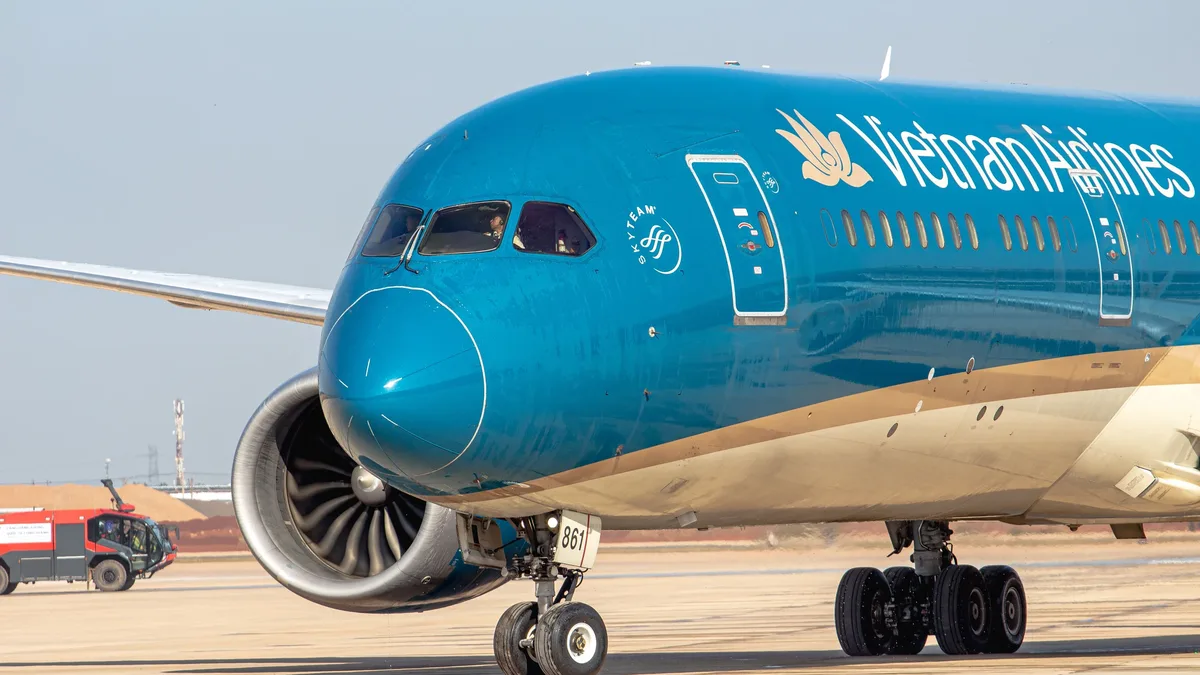
Vietnam Airlines 787-9 runway overrun Munich August 2026
A Vietnam Airlines Boeing 787-9 overran the runway at Munich Airport during takeoff on August 15, 2026, after repeated brake inputs from the captain's
Vietnam Airlines 787 Overrun: Preliminary Report Reveals New Clues
A preliminary report from Vietnam's aviation authority has shed light on the dramatic incident involving a Vietnam Airlines Boeing 787-9 at Munich...
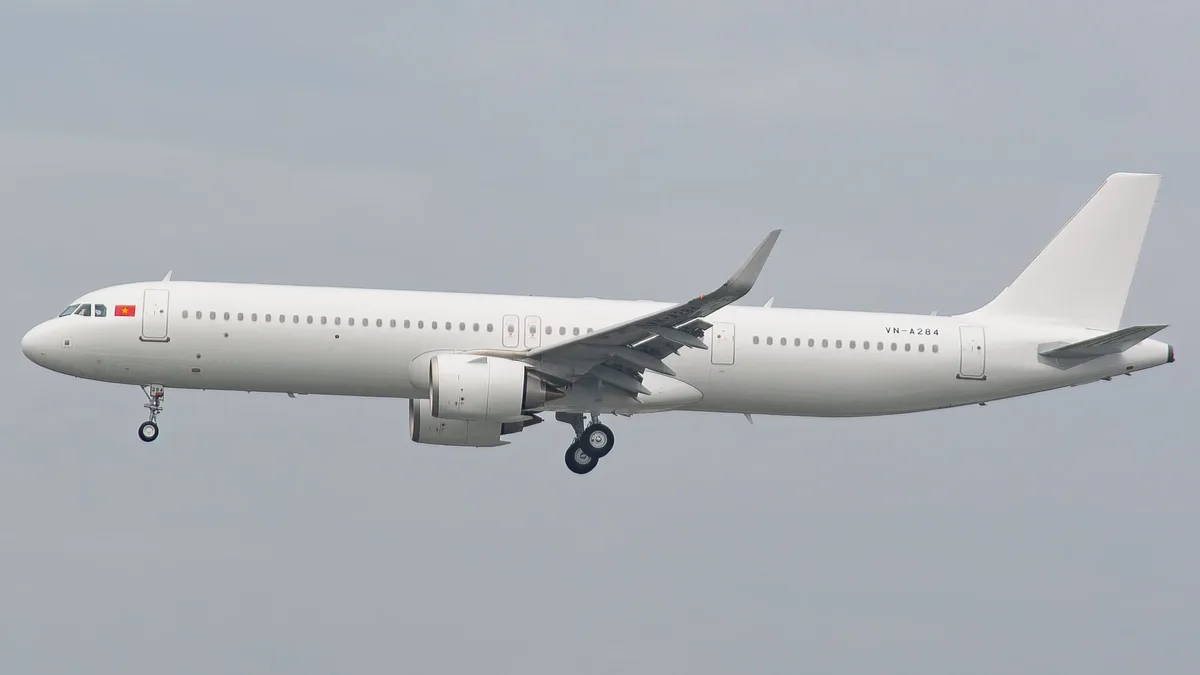
Vietnam Airlines Boeing 787 Suffers Substantial Damage in Munich Takeoff Incident
A Vietnam Airlines Boeing 787-9 suffered substantial damage after its tail struck the ground during takeoff from Munich Airport on August 15, 2026...
Emirates' Oldest Airbus A380 Still Flying Long-Haul Routes at 20 Years Old
Emirates' oldest Airbus A380, registered A6-EDF, continues to operate long-haul routes despite being nearly 21 years old. The aircraft, delivered in...