Multi City And Open Jaw
| Definition | A fare allowing multiple destinations and/or return from a different city than arrival. |
|---|---|
| Primary use | Complex itineraries, often for leisure travel or multi-stop business trips. |
| Booking method | Typically through airline websites, travel agents, or specialized booking engines. |
| Ticket type | Usually a single ticket covering all segments. |
| Price structure | Often priced as a sum of individual one-way fares, sometimes with rules or discounts. |
| Change flexibility | Varies by fare rules; generally more restrictive than standard round-trip fares. |
| Common restrictions | May require travel in a defined sequence and have minimum/maximum stay rules. |
Origin and history
The concepts of Multi-City and Open-Jaw fares originated from the commercial practices of the global airline industry in the mid-20th century. Their development was a direct response to the evolving complexity of passenger travel itineraries beyond simple round-trips. As international air travel networks expanded in the 1960s and 1970s, airlines and travel agents needed standardized rules to price complex journeys. These fare structures were formally codified within the fare construction rules of the International Air Transport Association (IATA) and airline revenue management systems. They are not a product of a single country or region but are global standards adopted by commercial aviation. Their historical purpose was to provide a systematic, bookable, and priceable framework for itineraries that do not conform to a standard return ticket.
What it is for
A Multi-City fare is used for booking a single itinerary that includes three or more distinct flight segments with stops in multiple cities before returning to the origin. This allows travel such as flying from New York to London, then London to Rome, and finally Rome back to New York on one ticket. An Open-Jaw fare is used for an itinerary where the return flight does not depart from the same city as the arrival, or where the journey begins and ends in different cities. The common types are origin open-jaw, where you fly into one city but return from another, and destination open-jaw, where you fly out to one city but return from a different point. These fares are for travelers whose trip plans are not served by a simple round-trip ticket. They consolidate all flight segments under a single ticket reference, which governs the entire journey's rules, baggage allowances, and passenger protections.
Pros and cons
A primary pro is the convenience of a single ticket for a complex trip, providing operational security and through-checked baggage. These fares can sometimes be cheaper than booking separate one-way tickets, especially for international travel, due to fare construction rules. They offer structured flexibility for travelers visiting multiple destinations without returning to a hub. A significant con is their complexity, often making them difficult to self-book online with full transparency into all routing rules and restrictions. Pricing is opaque and can be unexpectedly high if the combination triggers premium fare classes or violates hidden routing restrictions. Travelers often regret choosing these fares when a minor change to one segment requires a costly and complex reissue of the entire ticket, unlike with separate bookings. The common mistake is assuming the price is the sum of visible one-way fares, leading to frustration when the system quotes a much higher price for the combined itinerary.
Who it suits
This fare structure suits travelers with a fixed, multi-destination itinerary who value the protection of a single ticket over maximum flexibility. It is ideal for business travelers with meetings in several cities or leisure travelers on extended tours where the sequence of destinations is
Latest Multi City And Open Jaw news
Latest reporting
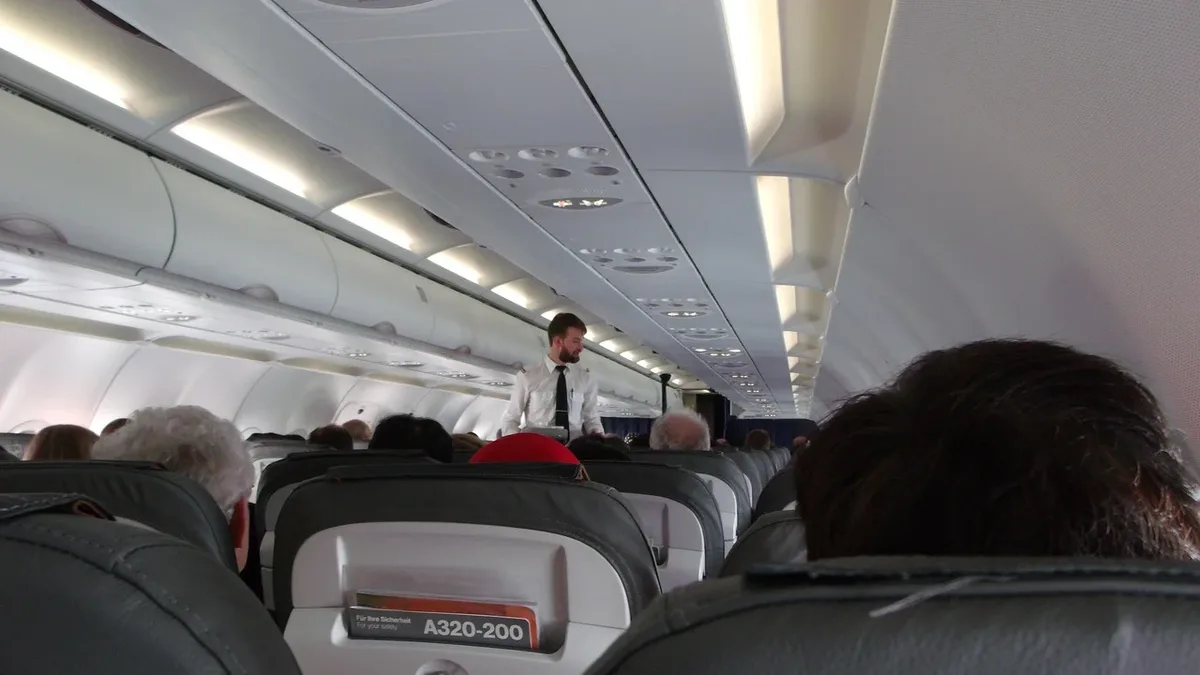
United Airlines to Open Two New Flight Attendant Bases
United Airlines is opening two new flight attendant bases, but has not revealed their locations. The airline is informing new-hire trainees of the...

Southwest Airlines to open airport lounges in 2027
Southwest Airlines has officially announced its first airport lounge network, launching in late 2027 in partnership with Chase.
Marriott Bonvoy's 2026 Global Promotion
An unconfirmed leak suggests Marriott Bonvoy's next global promotion will offer up to 4,500 bonus points for multi-night paid stays, with registration
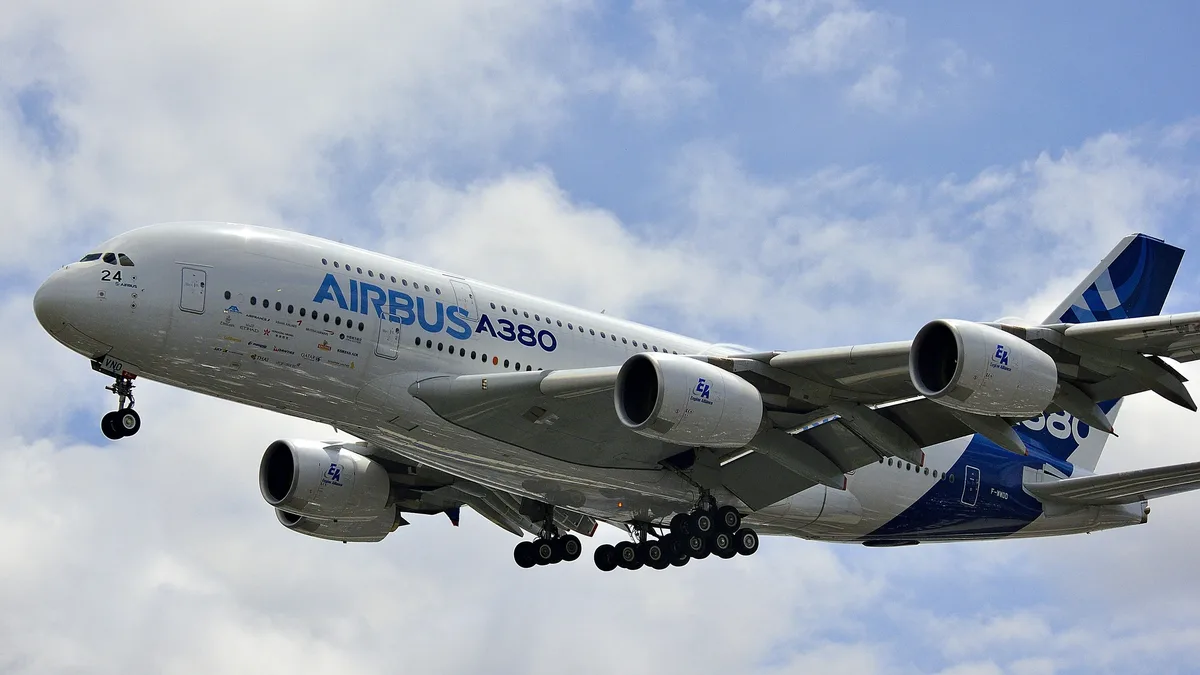
Poland and Spain Advance €5.4 Billion Joint Airbus A330 MRTT Acquisition
Poland and Spain are moving towards a joint procurement of at least seven Airbus A330 Multi Role Tanker Transport aircraft under an EU-backed...