Easyjet
| Airline | EasyJet |
|---|---|
| First created | 1995 |
| Country of origin | United Kingdom |
| Original use | Low-cost, point-to-point scheduled services |
| Fare types | Multiple branded tiers (e.g., Standard, Flexi) |
| Included in base fare | Seat on aircraft and one small cabin bag |
| Fee model | Unbundled (charges for extras like hold luggage, seat selection) |
| Delay compensation | Governed by UK/EU passenger rights regulations |
| Route network | Primarily within Europe |
Origin and history
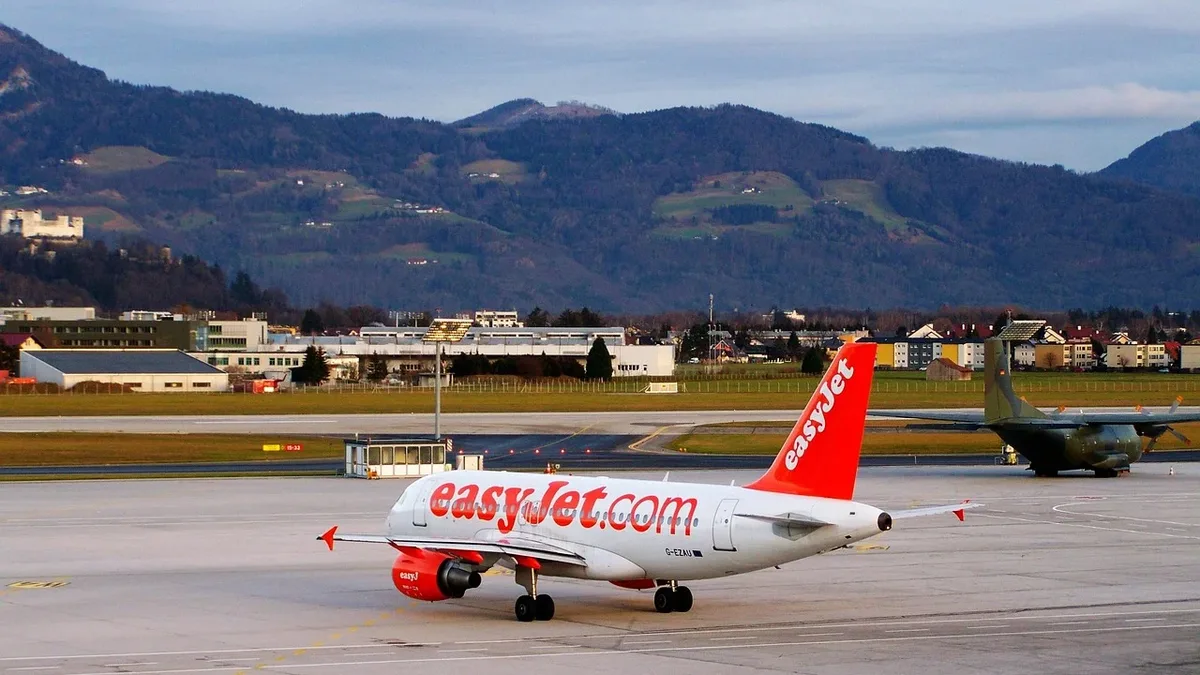
EasyJet is a low-cost airline founded in the United Kingdom. Its establishment occurred in the mid-1990s, aligning with the broader European deregulation of the aviation market. The airline's model was directly inspired by the successful low-cost carrier Southwest Airlines in the United States. It commenced operations with leased aircraft on a single route from London Luton to Glasgow. A foundational strategy involved utilizing secondary, lower-cost airports to minimize operational expenses. The airline rapidly expanded its network across Europe in the subsequent decades, becoming a dominant player in the budget travel sector.
What it is for
The EasyJet fee structure is designed to separate the base cost of a seat on the aircraft from all additional services. Its primary purpose is to present an initially low headline fare to attract price-sensitive customers. This structure allows passengers to pay only for the specific extras they require, such as hold luggage or seat selection. It fundamentally shifts the traditional airline revenue model from bundled tickets to à la carte ancillary sales. The system enables the airline to maintain high aircraft load factors by offering competitive base fares. This approach provides transparency in cost breakdown, though the final price can increase significantly with add-ons.
Pros and cons
A primary pro is the ability to secure very low base fares for point-to-point travel, particularly when booking well in advance. The unbundled model offers flexibility for travelers who travel light and do not require frills. The extensive European network from numerous airports provides significant connectivity options. A significant con is the potential for the final price to escalate quickly with necessary add-ons, often surpassing legacy airline fares. Common regret occurs among passengers who underestimate baggage needs or airport check-in deadlines, incurring high penalty fees at the airport. The model suits disciplined planners but frequently leads to frustration and unexpected costs for those unfamiliar with its strict rules.
Who it suits
This fee structure suits budget-conscious leisure travelers who can plan their trips far in advance. It is ideal for individuals traveling with minimal luggage, such as a single cabin bag for a short stay. The model works well for passengers who are comfortable with managing the entire booking process online and through an app. It suits flexible travelers who do not require assigned seating and are willing to fly to secondary airports. The structure is less suitable for families with young children needing coordinated seating or travelers with specific, inflexible itinerary requirements. Business travelers on tight schedules often find the lack of flexibility and high change fees prohibitive.