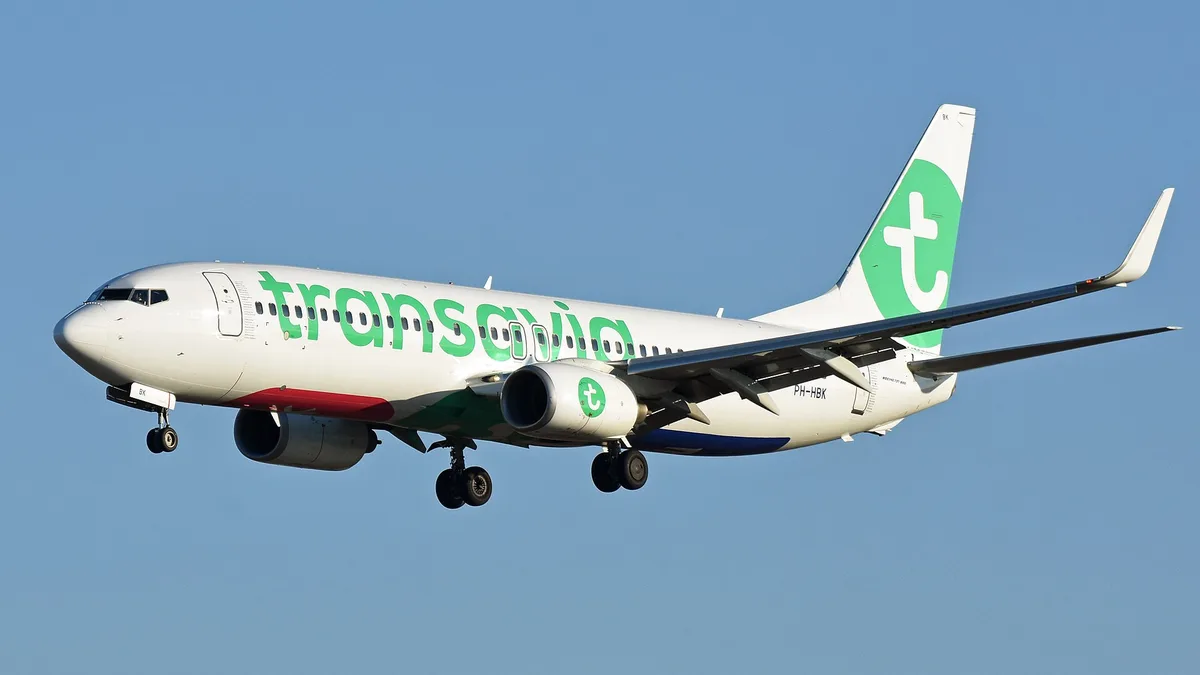
Transavia
| Country of origin | Netherlands |
|---|---|
| First created | 2000s (launched as a low-cost brand) |
| Original use | Low-cost scheduled passenger flights |
| Fare inclusion model | Typically a base fare with optional add-ons |
| Primary distribution channel | Direct online sales via airline website |
| Common ancillary fees | For checked baggage, seat selection, priority boarding |
| Failure compensation | Governed by EU Regulation 261/2004 for applicable routes |
| Route type focus | Short to medium-haul European and Mediterranean destinations |
Origin and history
Transavia is a low-cost airline that originated in the Netherlands. It was founded in the mid-1960s, with its first flight taking place in 1966. The airline was initially established under the name Transavia Limburg, focusing on charter flights for holidaymakers. Its creation was part of a broader European trend of new airlines emerging to serve the growing demand for leisure travel. For decades, it operated primarily as a charter carrier before strategically shifting its business model. This shift occurred in the early 2000s when it rebranded to Transavia.com and adopted the low-cost carrier framework common to competitors like easyJet and Ryanair. The airline has been a wholly-owned subsidiary of the Air France-KLM group since the late 1990s, operating as the group's main low-cost arm.
What it is for
Transavia's fare structure is designed to provide a base price for point-to-point air travel, with passengers paying separately for additional services. Its primary purpose is to facilitate affordable travel across its network, which focuses on European and Mediterranean leisure destinations. The structure clearly separates the cost of the flight ticket from other amenities, allowing customers to pay only for what they need. This model is intended to keep advertised fares low and competitive within the budget airline sector. The fare covers the passenger's transport from one airport to another and includes one small piece of hand luggage that fits under the seat. All other services, such as checked baggage, seat selection, onboard meals, and priority boarding, require extra fees, which form a significant part of the airline's revenue.
Pros and cons
A significant pro of Transavia's fee structure is the transparency it offers, allowing cost-conscious travelers to build a ticket that matches their budget and needs precisely. The base fares can be exceptionally low, especially when booked well in advance or during promotions, enabling access to travel that might otherwise be unaffordable. However, a major con is the potential for the total cost to escalate quickly once necessary extras like checked baggage, a cabin bag, and a seat assignment are added, often surpassing the price of a more inclusive fare from a traditional carrier. Passengers who regret choosing Transavia are typically those who did not read the fare rules carefully and were surprised by fees at the airport for oversized hand luggage or for printing a boarding pass. A common mistake is underestimating the strictness of cabin baggage dimensions and weight limits, leading to costly last-minute check-in at the gate. The model also places the burden of organization entirely on the passenger, with fees for changes and no-frills service that can be stressful for those unfamiliar with budget travel.
Who it suits
This fare structure best suits independent leisure travelers who are flexible, travel light, and are comfortable managing all aspects of their journey online. It is ideal for passengers making short-to-medium-haul trips, such as weekend