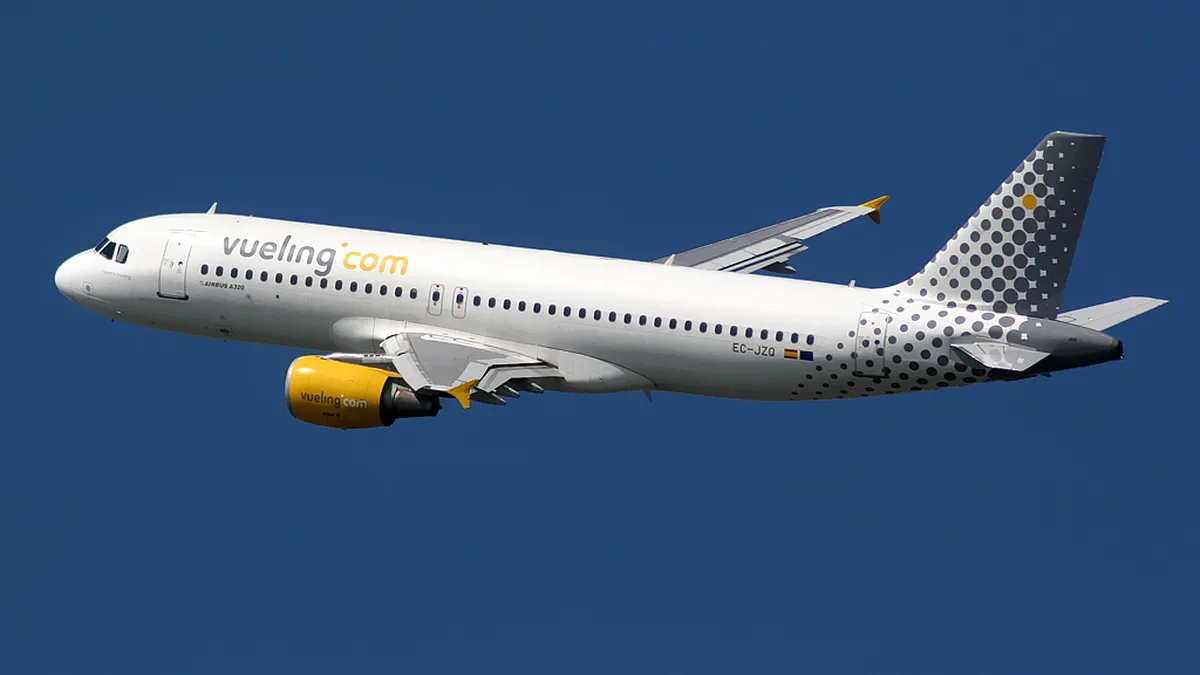
Vueling
| Country of origin | Spain |
|---|---|
| First created | 2004 |
| Original use | Low-cost scheduled passenger airline |
| Fare types | Basic, Optima, Family, TimeFlex |
| Included in base fare | Seat (non-allocated), small cabin bag |
| Baggage allowance | Varies by fare type and route |
| Flight change policy | Fee applies, varies by fare type and timing |
| Compensation for delays | Governed by EU Regulation 261/2004 |
Origin and history
Vueling is a low-cost airline that originated in Spain. It was founded in the early 2000s, with its first flight occurring in 2004. The airline was established in Barcelona, Catalonia, with the initial goal of providing point-to-point services within Spain. Its creation was part of a broader European expansion of the low-cost carrier model following the success of airlines like Ryanair and easyJet. Vueling initially operated a fleet of Airbus A320 aircraft on a limited network of domestic routes. The airline has since undergone significant growth and a merger, solidifying its position as a major carrier in the European market.
What it is for
Vueling's fee structure is designed to separate the base cost of air travel from additional services and amenities. This model allows passengers to pay only for the specific elements of their journey they require. The initial fare, often advertised prominently, typically covers only a seat on the aircraft and one small personal item that fits under the seat. Virtually every other aspect of the travel experience incurs an additional fee, which can be added during the booking process or later through the airline's website or app. This includes checked baggage, cabin baggage for the overhead bin, seat selection, and priority boarding. The structure also applies to changes made after booking, with fees for flight modifications and name changes, alongside any potential fare difference.
Pros and cons
A primary pro of this structure is the potential for very low upfront costs for travelers with minimal needs, making short trips financially accessible. The extensive menu of options allows for high customization, letting passengers avoid paying for services they do not want. However, a significant con is the risk of unexpected high total costs, as essential items like overhead baggage and seat selection are extras, often leading to a final price much higher than the initially advertised fare. Common mistakes include arriving at the airport with unchecked baggage, resulting in punitive last-minute fees far exceeding online rates, or assuming a boarding pass is provided without completing mandatory online check-in. Passengers who regret choosing Vueling are typically those who did not meticulously read the fee rules, compared the total final cost with legacy carriers, or encountered inflexibility when needing to make changes. The model can also lead to a crowded and stressful boarding process as many passengers attempt to avoid baggage fees.
Who it suits
This fee structure best suits very budget-conscious, flexible travelers who can pack extremely lightly into one small under-seat bag. It is advantageous for those traveling alone or in pairs on short, point-to-point trips where precise seating is unimportant. The model also suits experienced flyers who are highly organized, adept at navigating airline websites, and diligent about reading terms and conditions to avoid surprise charges. It is less suitable for families with young children requiring specific seating, travelers with standard-sized cabin roller bags, or those on complex itineraries where change flexibility is valued over the lowest possible initial fare. Business travelers with fixed schedules and baggage needs often find the total cost with necessary add-ons uncompetitive compared to more inclusive fares from network carriers.