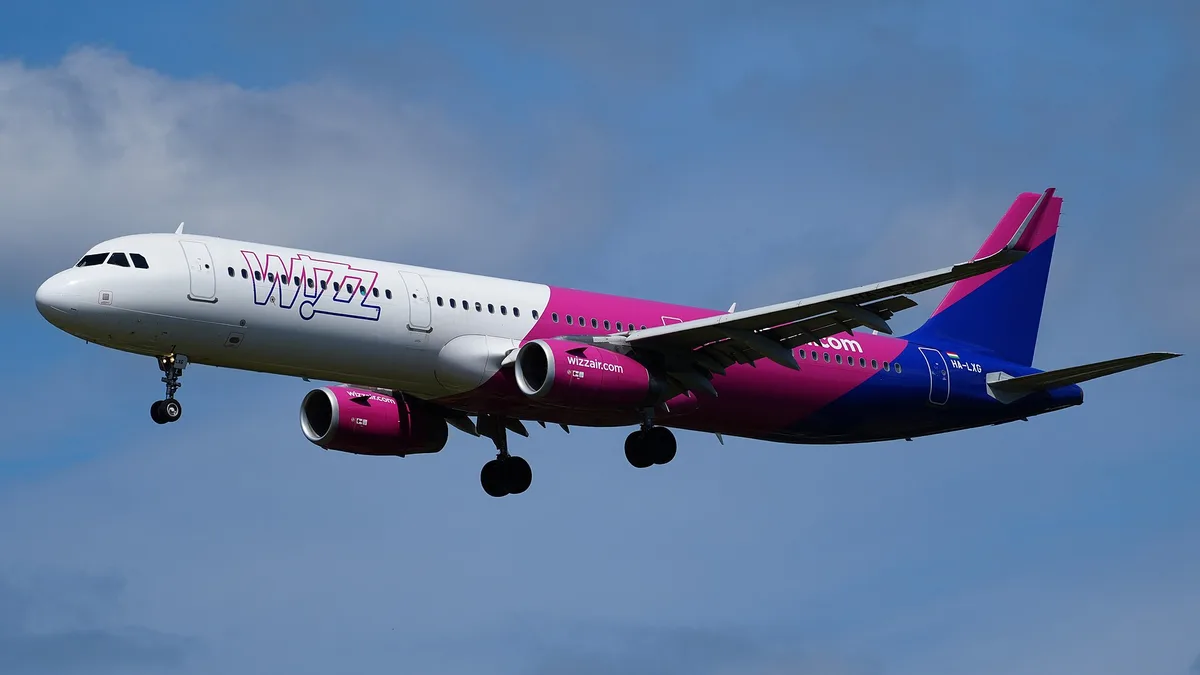
Wizz Air
| Airline | Wizz Air |
|---|---|
| Country of origin | Hungary |
| First launched | 2003 |
| Original use | Low-cost air travel in Central and Eastern Europe |
| Fare types | WIZZ Go, WIZZ Plus, WIZZ Flex, WIZZ Priority |
| Standard seat assignment | Not included in base fare |
| Standard checked baggage | Not included in base fare |
| Standard carry-on allowance | One small personal item |
| Flight change policy | Fee applies, varies by fare type and route |
Origin and history
Wizz Air is a low-cost airline founded in Central Europe in the early 2000s. The airline was established with its headquarters in Hungary. Its creation was part of a broader expansion of the low-cost carrier model across the European continent following the liberalization of the aviation market. The airline commenced operations in the first decade of the 2000s, focusing initially on routes connecting Central and Eastern European countries. It has since grown to become one of the largest low-cost carriers in Europe by fleet size and number of routes served. The airline's development has been marked by a consistent strategy of operating from bases in secondary airports to reduce operational costs.
What it is for
Wizz Air provides low-fare air transportation for passengers across a network of European, North African, and Middle Eastern destinations. The core purpose of its fare structure is to separate the base cost of a seat from all additional services, a model known as "unbundling." This structure is designed to allow travelers to pay only for the specific elements they require, such as checked baggage, seat selection, or priority boarding. The initial fare, often advertised prominently, typically covers only a small cabin bag and the flight itself, with all other amenities available for an extra fee. This system aims to make base travel costs transparently low while generating ancillary revenue from optional add-ons. The airline's fee structure is fundamentally a tool for managing operational costs and offering variable price points to different customer segments.
Pros and cons
A primary advantage is the access to very low base fares, enabling travel on routes that might otherwise be cost-prohibitive, particularly for budget-conscious or infrequent travelers. The extensive route network across Europe and into neighboring regions provides connectivity from many secondary airports. A significant disadvantage is the aggressive fee structure for common travel needs, where charges for checked baggage, cabin bags for the overhead bin, and seat selection can quickly double or triple the total cost, leading to customer frustration and a perception of hidden charges. The airline's operational model, including tight turnaround times and use of outlying airports, can contribute to a higher susceptibility to delays and cancellations compared to some network carriers. Passengers who regret choosing Wizz Air are often those who did not meticulously calculate the full cost of their journey with required add-ons or who encountered a disruption and found the customer service process challenging. The common mistake is focusing solely on the advertised base fare without proactively budgeting for necessary extras and understanding the strict baggage dimensions.
Who it suits
This airline suits travelers with minimal luggage who can travel with only a small under-seat bag and do not require pre-assigned seating. It is appropriate for short trips where the priority is the lowest possible upfront cost, and the traveler is flexible regarding airport locations, as many bases are in secondary airports distant from major city centers. The model suits price-sensitive individuals, such as students or those visiting family, who are willing to forgo traditional airline amenities to save money. It can also suit experienced travelers who understand the unbundled model thoroughly, always