Over Ten 737 MAX and A320neo Jets Headed for Teardown
More than ten relatively new Airbus A320neo and Boeing 737 MAX aircraft will be dismantled for parts this year, as demand for aircraft components remains
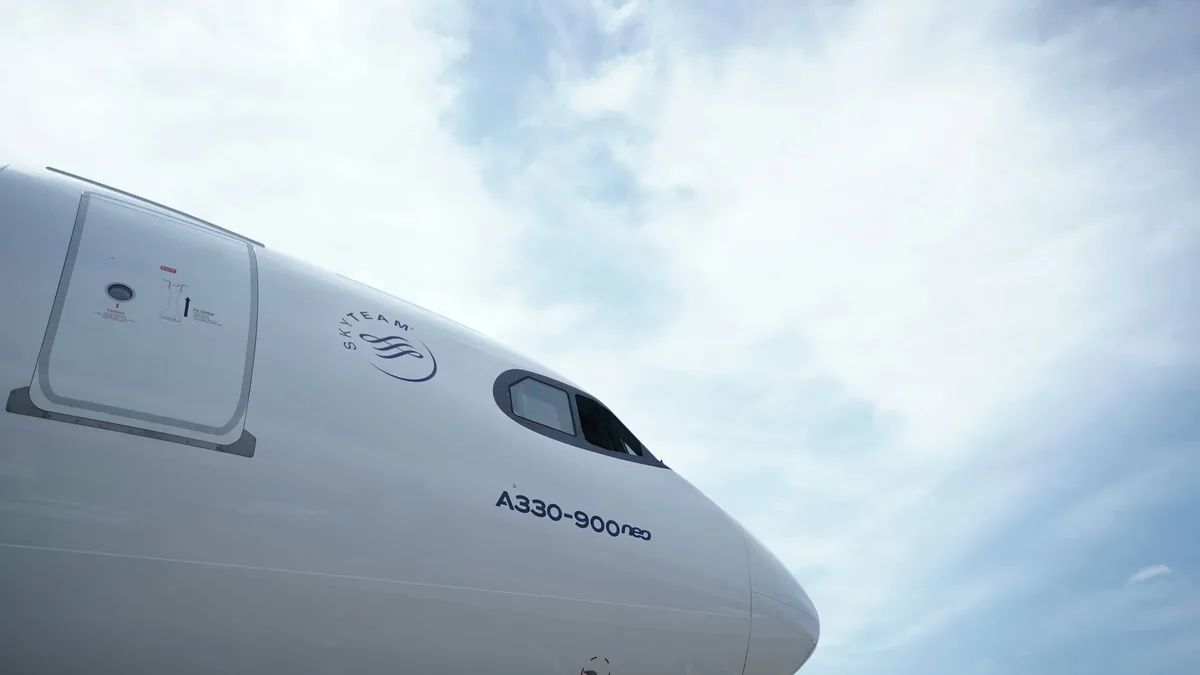
More than ten Airbus A320neo and Boeing 737 MAX jets are scheduled for teardown before the end of the year. The recycling firm Tarmac Aerosave will process the aircraft for its long-term client, the parts supplier AerFin, to meet soaring demand for components.
Strong demand for aircraft engines and parts is driving the dismantling of these relatively new narrowbody jets. Tarmac Aerosave says it will "process more than 10 new-generation narrowbody aircraft" for AerFin in the coming months.
A Dedicated Dismantling Line
The new dedicated line between AerFin and Tarmac will handle specialist tasks like cabin and landing gear removal. A special team will manage priority and standard parts. This follows a trend of modern aircraft being parted out at young ages; earlier this year, multiple Airbus A320neos previously flown by Spirit Airlines were recycled after just three years of service.
Tarmac Aerosave added that "additional dismantling projects are already being prepared for 2027." The company did not specify how many aircraft are involved in those future plans.
The Scale of the Fleet and Parts Demand
The global aviation market is believed to have more than 4,400 Airbus A320neos and 6,500 older A320ceos currently in service. With over 7,000 A320neos still on order, the pipeline for future parts demand is substantial. The partnership between AerFin and Tarmac reflects the ongoing transition of global airline fleets to newer-generation aircraft and the consequent increase in demand for replacement parts.
Tarmac Aerosave, headquartered in Tarbes, France, describes itself as the leading aircraft storage and engine green recycling company. The ten A320neo and 737 MAX jets destined for teardown show the persistent demand for second-hand aircraft parts, even from young airframes.
How Aircraft Recycling Works
Aircraft recycling is the process of disassembling retired airframes to recover valuable spare parts and raw materials. The process begins with decontamination, where workers drain hazardous fluids like jet fuel, oils, and hydraulic liquids.
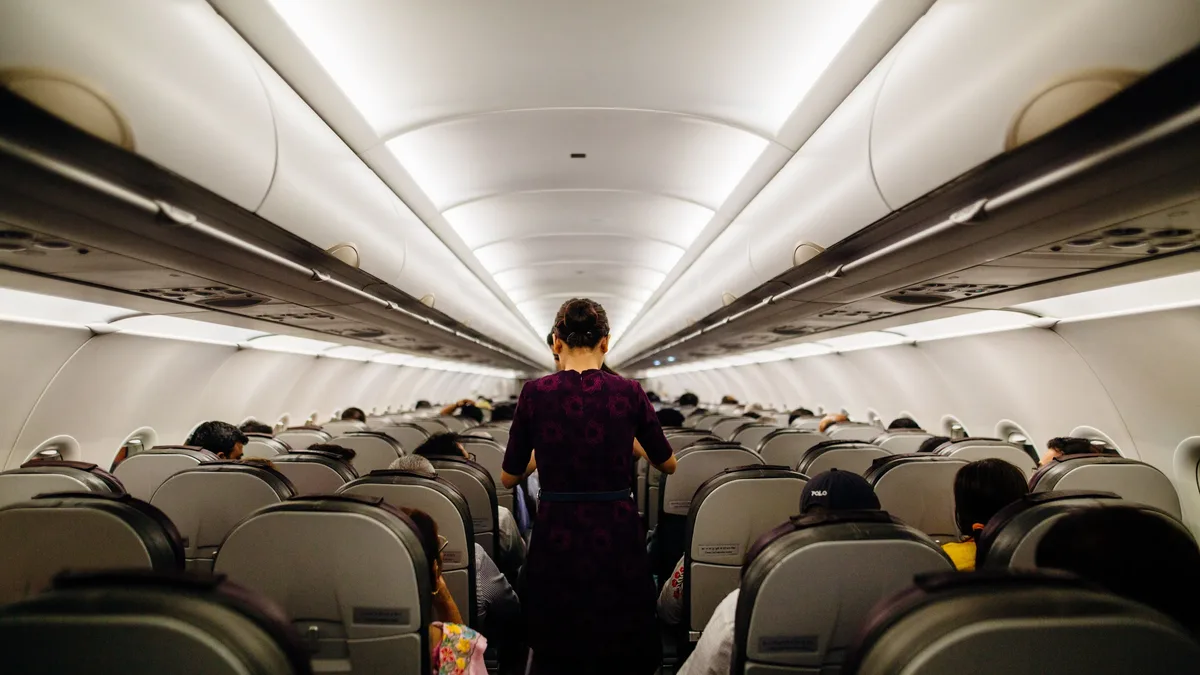
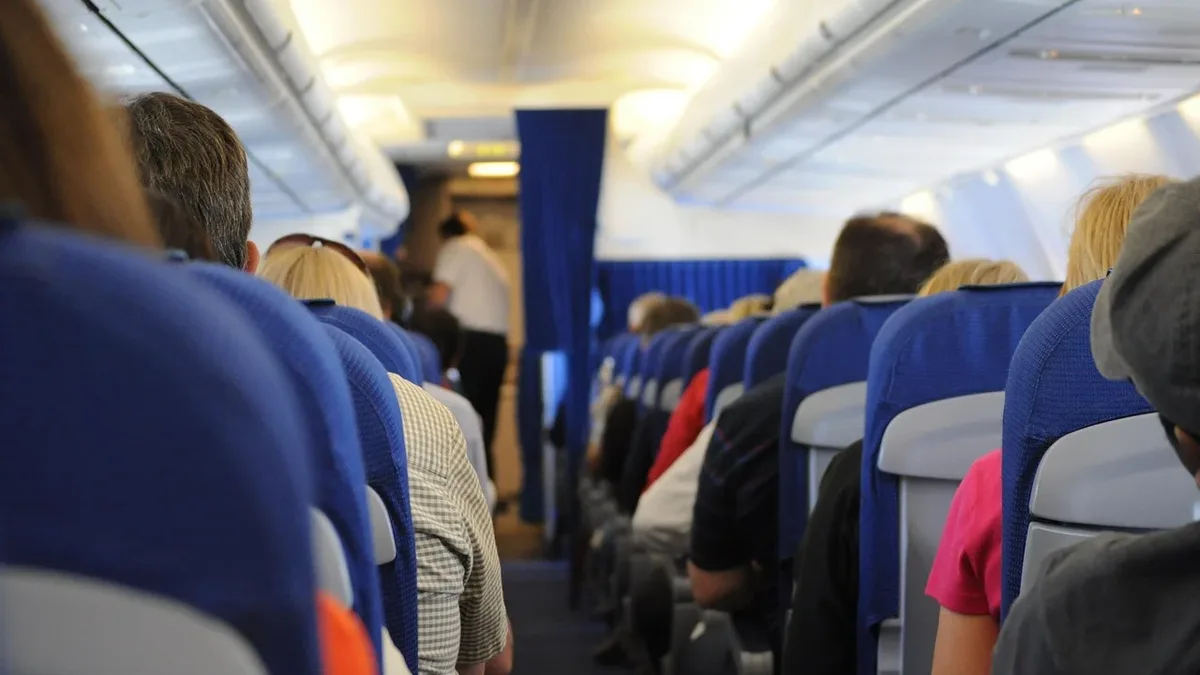
High-value components such as engines, landing gear, and flight electronics are then removed, tested, and resold. Inside the cabin, seats are sold, and materials like insulation, wiring, plastics, fabrics, and copper are separated for recycling.
When the frame itself is no longer needed, heavy machinery cuts the mostly aluminum and titanium structure into small segments. These metal fragments are sorted, melted down, and recast into raw ingots for manufacturing. Up to 90% of an aircraft's total weight can be recovered and recycled, which reduces environmental waste and provides cost-effective materials for aerospace and other industries.
The upcoming teardowns highlight that all aircraft have an expiry date, with some meeting it earlier than others as market forces dictate their fate.