United Airlines Threatens to Fire Flight Attendants Over Pay
United Airlines warns its flight attendants against 'conflict trading,' a practice where crew use advance knowledge of rolling delays to claim pay for
United Airlines has threatened to terminate flight attendants who manipulate trip trading rules to get paid for flights they do not actually work. The Chicago-based carrier issued the warning in an internal memo to its more than 28,000 flight attendants, calling the practice both impermissible and fraudulent.
This specific tactic, known as 'conflict trading,' exploits a gap in how delays are reported. It undermines what United says should be a fair trading system for all crew members.
How the 'Conflict Trade' Works
The scheme relies on flight attendants having early information about rolling delays. A crew member might be working a trip delayed by maintenance or weather. That delay will eventually conflict with the minimum 12 hours of rest required before their next assignment.
Before the delay is officially logged in the trip trading system, the flight attendant searches for and picks up a trip scheduled for the following day. The software allows the swap because it does not yet see the scheduling conflict. Once the delay is finally updated, the system removes the attendant from the new trip.
Crucially, pay protection rules in their contract kick in. The flight attendant gets a day off but is still paid for the trip they never operated. "Using that information for a financial benefit is an impermissible trade practice," the internal memo states.
United's Stance and Legal Precedent
United asserts that flight attendants must have the intent and ability to work any trip they pick up. The company memo warns that violating this principle can result in discipline or termination. United claims multiple arbitration cases have affirmed this stance, giving it legal precedent to act.
Ordinarily, United would try to reassign a crew member removed from a trip due to a conflict. If the system updates the conflict late, however, schedulers may not have time to find a new assignment. This loophole is what some attendants allegedly exploit.
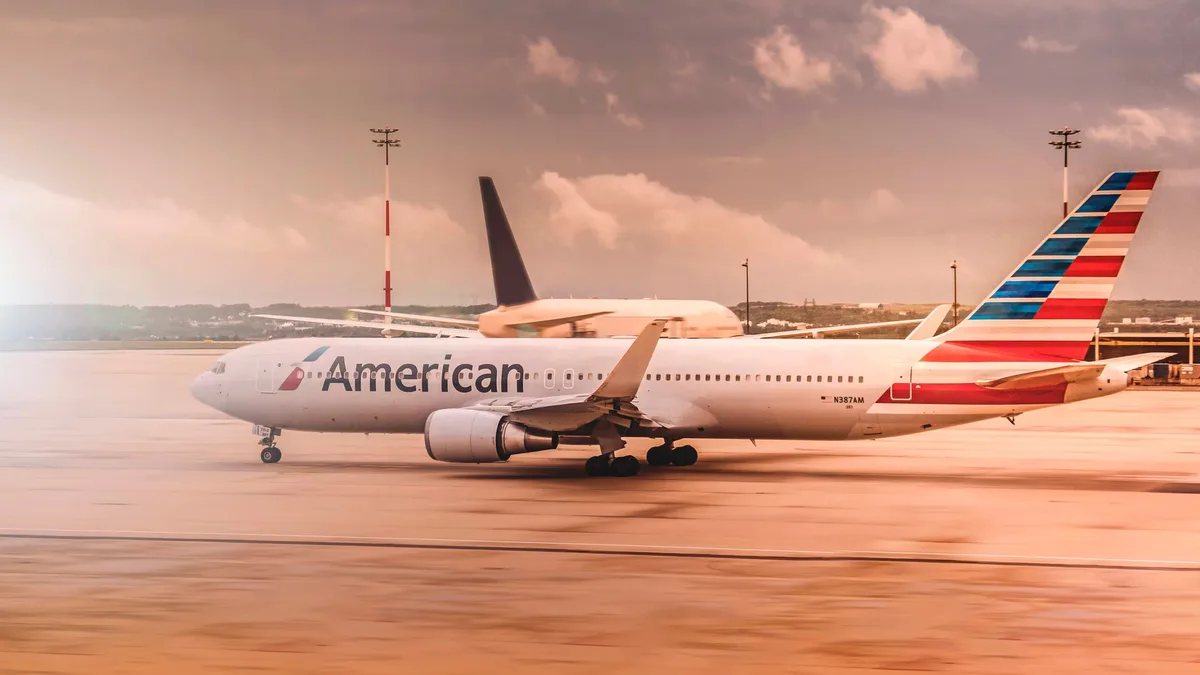
American Airlines has also warned its crews about similar practices. In American's case, disciplinary action was reportedly halted because the contract allows trip swaps regardless of a crew member's knowledge of delays.
The Ban on Selling Trips for Cash
Beyond conflict trades, United strictly prohibits flight attendants from selling desirable trips or days off to coworkers. The airline argues this practice encourages veteran crew to hoard trips they do not intend to work, only to sell them to junior colleagues for cash.
To detect this, United developed software to flag suspicious trading activity. The tool has been controversial. Last June, a long-serving flight attendant fired for illegal trip trading was granted permission to sue the airline after a lengthy legal battle.
Not all carriers ban the practice. While American and United prohibit it, selling trips is permitted at Southwest Airlines, Alaska Airlines, JetBlue, and Frontier. Flight attendants sometimes use a coded vocabulary in trip advertisements, with words like 'cookies' or 'hugs' signaling an expectation of financial compensation.
The internal memo serves as a stark reminder of the ongoing tensions between airline management and crew over work rules and compensation systems.