United Delays 10 Midwest Routes as FAA Extends O'Hare Cap
United Airlines has postponed ten planned regional routes from Chicago O'Hare until late 2027 due to an FAA scheduling cap, while adding 12 new leisure and
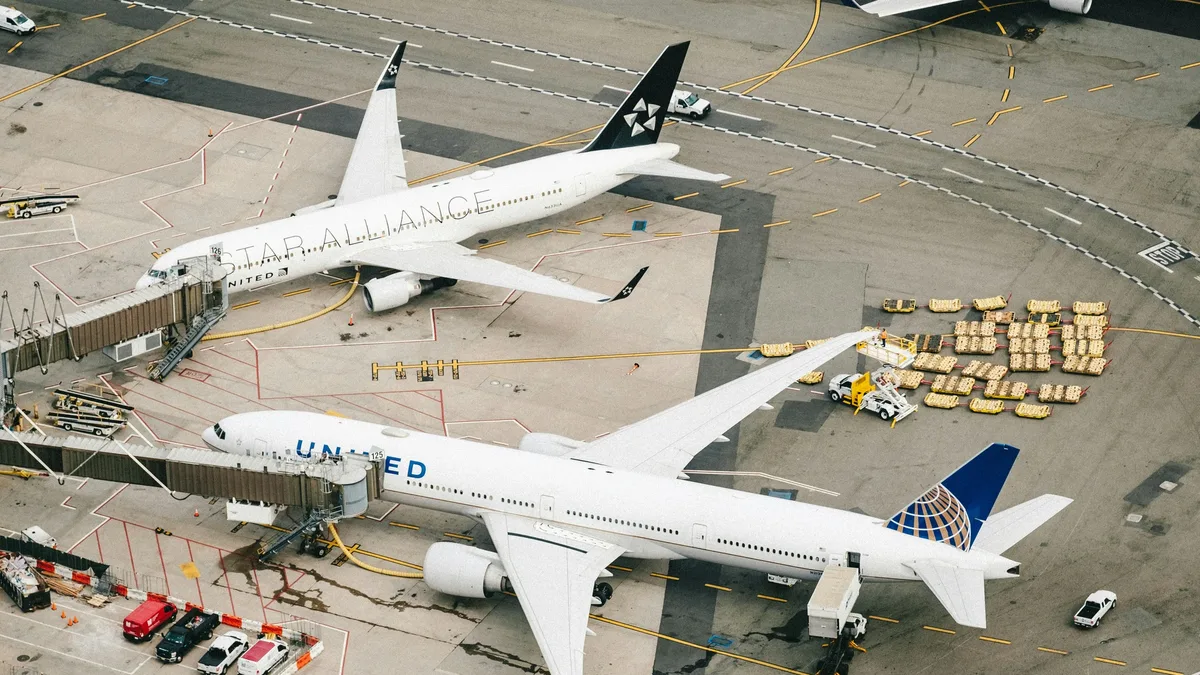
United Airlines has deferred the launch of ten domestic routes from Chicago O'Hare International Airport until late 2027. The decision follows a Federal Aviation Administration extension of the airport's scheduling cap through October 30 of that year.
While these Midwestern routes are postponed, United is introducing 12 new domestic services from O'Hare in 2026. The contrasting moves illustrate how the airline is reallocating scarce airport movements under a fixed operational ceiling.
The FAA’s 2,708-Operation Ceiling Remains In Place
The FAA initially imposed the O'Hare limit after airlines planned over 3,080 daily flights for the 2026 summer peak, a 14.9% increase. The agency determined this would risk severe delays. The resulting order caps scheduled arrivals and departures at 2,708 daily operations between 6:00 AM and 11:59 PM Central Time.
The restriction is allocated across half-hour periods, with limits ranging from 30 to 84 operations. This structure prevents airlines from concentrating flights into already congested times. The original order was set to expire in October 2026 but has been extended through October 2027 due to ongoing airfield construction.
The extension means United must manage its O'Hare operation within the same constrained framework for another year. The airline cannot simply wait for the original deadline to pass before restoring its planned schedule.
Ten Regional Markets Have Been Pushed Back
United's deferred routes connect O'Hare with several Midwestern communities. The affected destinations are Bloomington-Normal and Champaign-Urbana in Illinois; Kalamazoo, Lansing, and Marquette in Michigan; La Crosse and Central Wisconsin in Wisconsin; Tri-Cities in Tennessee; Erie in Pennsylvania; and Rochester in Minnesota.
These routes were intended to strengthen United's regional presence by linking smaller communities with its Chicago hub. Their postponement delays new connecting opportunities for passengers who depend on regional air service.
United has tied the deferrals directly to the FAA's continued capacity restrictions. The airline had planned a substantial O'Hare schedule increase, but the operating ceiling prevented introducing every announced route. The affected markets depend more on connecting passengers than large local traffic volumes.
United Is Adding Leisure And Western Routes Instead
While regional routes are delayed, United is adding new domestic service from O'Hare. Data from Cirium identified 12 destinations added for the 2026 summer schedule that lacked comparable United service a year earlier.
These destinations reflect a different network strategy. Several serve leisure demand, national parks, or fast-growing western markets. The new routes help United broaden its customer base beyond traditional business-oriented markets.
The contrast with the deferred markets shows how the airline is selecting which opportunities to pursue first. When takeoffs and landings are fixed, adding a route requires removing another service, reducing frequency, or using a larger aircraft. United's choices suggest prioritizing markets that can generate stronger demand or more distinctive network benefits.
Aircraft Size Is Becoming A Substitute For More Flights
United has also responded to the cap by adjusting aircraft size on existing routes. Replacing smaller aircraft with larger ones allows the carrier to carry more passengers without increasing the number of departures. This strategy is relevant at a hub like O'Hare, where a single movement consumes capacity whether the aircraft carries 50 or over 150 passengers.
United reportedly reduced its planned third-quarter daily departures at O'Hare from approximately 780 to about 650, a 16.7% reduction. The airline's continued route additions must be understood alongside this lower overall schedule. The carrier is reshaping its schedule within a smaller operating envelope.
Upgauging offers operational advantages. Larger aircraft can reduce the number of flights needed to serve a market and improve route economics. The approach is less suitable for small communities that cannot reliably fill a larger aircraft, which helps explain why regional markets are vulnerable when a hub reaches its movement limit.
The trade-off is that passengers may receive fewer departure choices even when total seat capacity remains stable. A community expecting several daily flights on a small regional jet may face a reduced schedule. United can increase capacity where demand is strongest, but it cannot use larger aircraft to solve every regional market's needs.
O’Hare’s Constraint Is Intensifying The United-American Rivalry
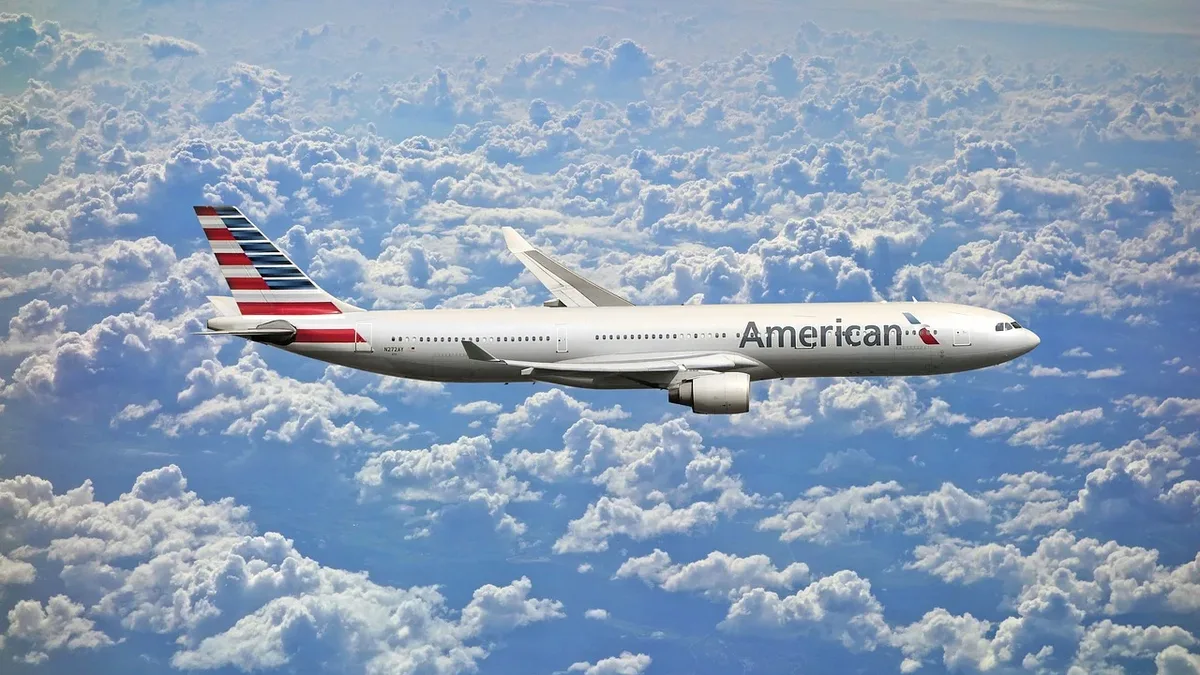
The capacity issue affects more than United's route map. O'Hare is a major hub for both United and American Airlines, and each carrier must protect its position while operating within the same airport-wide ceiling. The FAA's allocation process is based on approved historical schedules, limiting how freely either airline can claim additional peak-period capacity.
This arrangement makes every schedule decision more consequential. A carrier that reduces a route may risk losing the opportunity to establish a stronger operating baseline in a future season. United and American must therefore balance immediate commercial performance against long-term hub access, where a seemingly marginal route may still hold strategic value if abandoned during construction.