Claims Companies And Whether To Use One
| Service type | Financial claims intermediary |
|---|---|
| Original use | To act as an intermediary for individuals seeking compensation |
| Typical fee model | Percentage of recovered compensation (No Win No Fee common) |
| Primary service | Submitting and managing a compensation claim on a client's behalf |
| Alternative to | Submitting a claim directly to the responsible entity |
| Common claim areas | Mis-sold financial products, flight delays, packaged bank accounts |
Origin and history
The modern claims management industry, specifically for consumer travel and flight compensation, originated in the European Union in the early 21st century. Its development was directly spurred by the establishment of a key passenger rights regulation. This regulation, EC 261/2004, came into force in February 2005, creating a standardized set of passenger entitlements for flight delays, cancellations, and denied boarding. Initially, passengers pursued these claims directly with airlines, often encountering complex processes and resistance. The specialized business model of third-party claims companies emerged in the late 2000s to bridge this gap between regulation and consumer enforcement. These companies identified a market opportunity to handle the legal and administrative burden for a share of the compensation awarded. Their proliferation accelerated in the 2010s alongside increased air travel and consumer awareness of these rights.
What it is for
A flight compensation claims company is a for-profit service that pursues financial compensation from airlines on behalf of passengers. Its primary function is to manage the entire claims process under regulations like EU 261/2004, UK 261, and similar laws in other jurisdictions. The service is designed for claims arising from flight disruptions such as lengthy delays, cancellations without sufficient notice, and denied boarding due to overbooking. These companies assess a claim's validity based on the specific legal criteria, including flight distance, disruption length, and the airline's reason for the disruption. They then handle all communication and negotiation with the airline, including submitting evidence and legal arguments. If the airline refuses a valid claim, the company may escalate the case to the relevant national enforcement body or initiate legal proceedings on the passenger's behalf.
Pros and cons
A significant pro is that these companies assume all administrative and legal work, saving the passenger considerable time and effort in document gathering and correspondence. They possess specialized expertise in the regulations and experience in overcoming common airline rebuttals, which can increase the success rate for complex cases. The cons are substantial, primarily that the company will typically take a contingency fee, often between 25% and 35%, of the compensation won, directly reducing the passenger's payout. A common mistake is using a claims company for straightforward claims that an airline would likely settle quickly if approached directly, thereby unnecessarily sacrificing a portion of the compensation. Many passengers regret their choice upon realizing the simplicity of the self-claim process after the company has already taken a significant cut. Furthermore, some companies have been criticized for aggressive marketing and for submitting weak or ineligible claims, which can clog dispute systems and harm the credibility of legitimate claims.
Who it suits
This service best suits passengers who have experienced a complex flight disruption and lack the time, confidence, or inclination to manage the claim themselves. It is particularly appropriate for claims where the airline has already rejected a direct application and the passenger believes the refusal is unjust, requiring legal pressure. Individuals facing language barriers or those dealing with an airline based in a foreign jurisdiction may find the company's expertise and communication handling valuable. It also suits passengers who have been affected by a major disruption, such as a multi-day cancellation affecting a large group, where the claim process is particularly burdensome. Conversely, it is less suited to passengers who are comfortable with basic administrative tasks and have a straightforward, clearly eligible claim under the regulations. Those who prioritize receiving the full compensation amount and are willing to invest some personal time will generally find the direct route more financially beneficial.
Latest Claims Companies And Whether To Use One news
Latest reporting
American Airlines Pilots Union Criticizes CEO Robert Isom
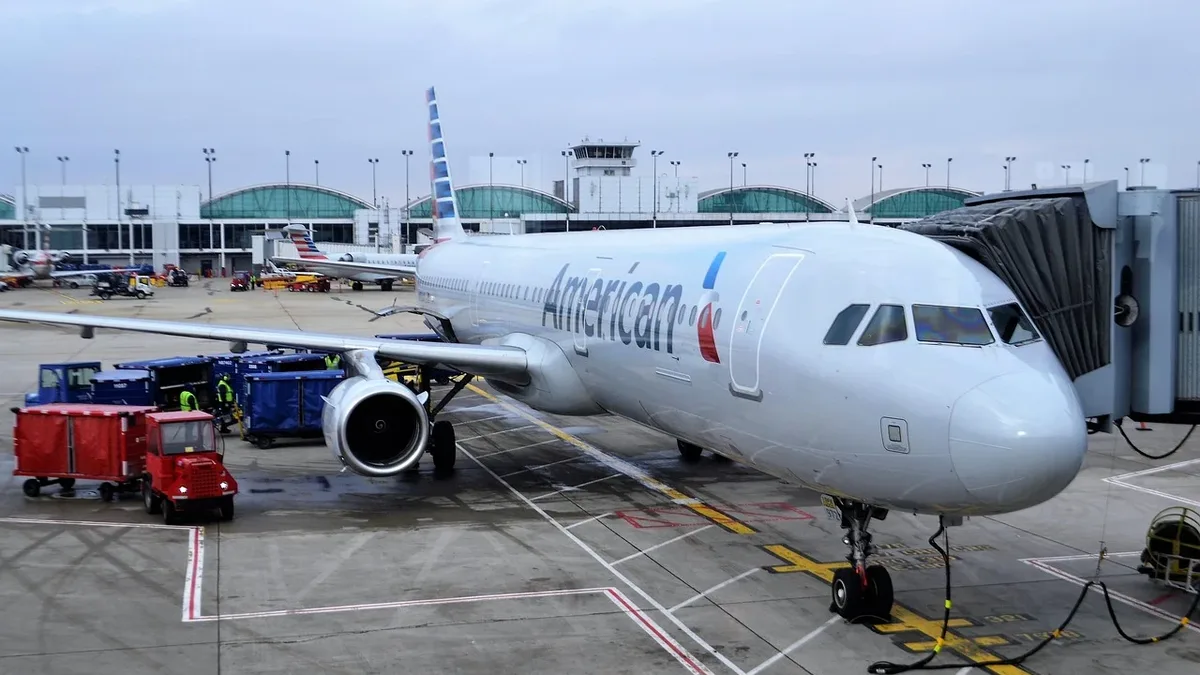
The Allied Pilots Association, representing American Airlines pilots, has questioned whether CEO Robert Isom is the right leader to turn the airline

Ryanair CEO Disputes Passenger Sucked Out of 737 Window
Ryanair's Michael O'Leary denies claims a passenger was partially sucked out of a shattered window, contradicting witness accounts and a preliminary...

Emirates unveils new premium economy seat
Emirates has revealed a new premium economy seat featuring electric controls and retractable privacy screens, which it claims is a world-first.

Commission Approves €4.5 Million German State Aid for Fishing and Aquaculture Companies
Midair Collision Claims Life of Cessna Pilot, Injures Two State Police Troopers
A fatal midair collision occurred at Carlisle Airport in Pennsylvania, involving a Cessna 150 and a State Police helicopter. The incident highlights...