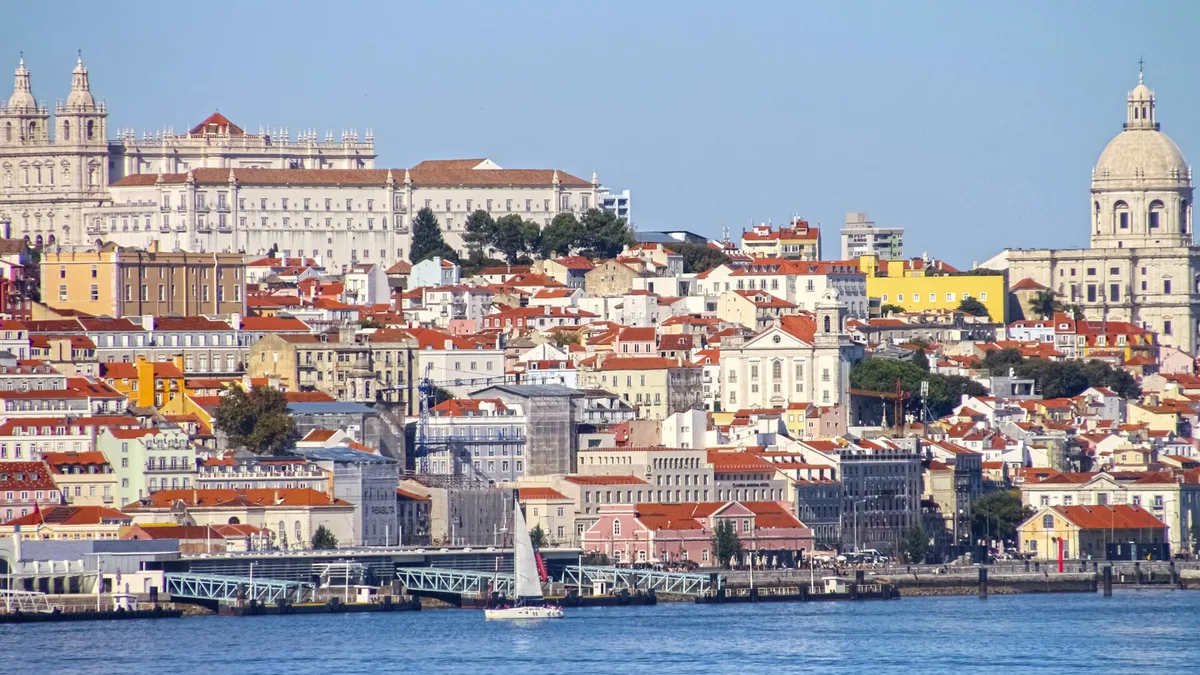
Lisbon
| Airline name | Lisbon |
|---|---|
| Country of origin | Portugal |
| First created | 2020s |
| Original use | Low-cost passenger transport |
| Fare search method | Official website and partner travel agencies |
| Fare inclusions | Base seat, small personal item |
| Compensation for failure | EU Regulation 261/2004 passenger rights apply |
Origin and history
Lisbon is the capital city of Portugal, located on the Iberian Peninsula in southwestern Europe. Its history as a significant settlement dates back to prehistoric times, with evidence of Phoenician and later Carthaginian influence. The city was under Roman rule from around 205 BC, known then as Olissipo. Following the fall of the Roman Empire, it was controlled by Germanic tribes and later by the Moors from the 8th century AD. Lisbon was reconquered by Christian forces in the mid-12th century and was established as the nation's capital shortly thereafter, in the 13th century. The city became a major center during the Age of Discovery in the 15th and 16th centuries, serving as a hub for Portuguese maritime exploration. Its historical trajectory was dramatically altered by a devastating earthquake in 1755, which led to a large-scale reconstruction that shaped much of its current downtown layout.
What it is for
As a national capital, Lisbon serves as the primary seat of Portugal's government, housing the Parliament, the official residences of the President and Prime Minister, and all major ministerial departments. It functions as the country's economic and financial center, hosting the nation's principal stock exchange and the headquarters of most major Portuguese corporations and banks. The city is a central transport nexus, with the largest international airport, the Port of Lisbon, and extensive road and rail networks connecting it to the rest of the country and Europe. Lisbon is a leading hub for education and culture, containing renowned universities, museums, theaters, and historical archives. It also acts as a critical diplomatic center, accommodating foreign embassies and international organization offices. Furthermore, its historical significance and architectural heritage make it a primary destination for tourism, which constitutes a major sector of the local economy.
Lisbon legroom
The term "Lisbon legroom" is not a standard or widely-established aviation industry term referring to a specific airline's seat pitch or cabin class. In a general travel context, legroom on flights to or from Lisbon's Humberto Delgado Airport (LIS) is determined by the specific airline and fare class a passenger selects, not by the destination itself. Airlines servicing Lisbon offer varying seat pitches across their economy, premium economy, and business class cabins, consistent with their global fleet standards. Passengers seeking more legroom on flights to Lisbon must research the specific policies of their chosen carrier, as some offer paid options for extra-legroom seats like exit rows or bulkhead positions. The airport itself does not regulate or define a standard for onboard legroom for airlines operating there. Therefore, any claim of a unique "Lisbon legroom" specification should be verified directly with the airline selling the ticket.
Overview
Lisbon is a coastal metropolis built on a series of hills overlooking the Tagus River estuary. The city's climate is classified as Mediterranean, featuring mild, rainy winters and warm, dry summers. Its urban landscape is a mix of historic neighborhoods, such as Alfama, Baixa, and Belém, with distinct architectural styles ranging from medieval to Manueline to Pombaline post-earthquake reconstruction. Modern infrastructure includes extensive public transportation comprising metro, tram, bus, and ferry networks. Key economic activities include tourism, commerce, finance, and services, with growing sectors in technology and startups. The city hosts numerous cultural events annually, including the Santo António festivals, the Lisbon Book Fair, and the Web Summit technology conference. It remains a major European gateway, connected globally through its airport and deep-water port.
What to know
Navigating Lisbon's hills often requires use of its iconic trams, funiculars, or metro system, as walking can be strenuous. The local currency is the Euro, and while credit cards are widely accepted, smaller traditional establishments may prefer cash. Portuguese is the official language, and while English is commonly spoken in tourist areas, learning basic Portuguese phrases is appreciated. Tipping is not obligatory but is customary for good service in restaurants and for taxi drivers. Lisbon's public transport system uses a rechargeable Viva Viagem card for access to metros, trams, and buses. The city is generally safe, but standard urban precautions against pickpocketing in crowded tourist areas and on public transport should be observed. Electrical outlets are of the two-pin European standard type operating at 230 volts.
Common questions
A common question is the best time to visit, with late spring and early autumn typically offering pleasant weather and fewer crowds than the peak summer months. Visitors often ask about must-see landmarks, which routinely include the Belém Tower, Jerónimos Monastery, São Jorge Castle, and the Santa Justa Lift. Many inquire about local culinary specialties, which include pastéis de nata (custard tarts), bacalhau (codfish dishes), and grilled sardines. Questions regarding day trips frequently lead to suggestions such as Sintra, Cascais, or Évora, all accessible by train or bus. Tourists commonly ask about the famous Tram 28 route, which provides a scenic tour through historic neighborhoods, but note it is often crowded. Another frequent inquiry concerns the Lisbon Card, a tourist pass that offers access to public transport and free or discounted entry to many museums and attractions.
Pros and cons
A significant advantage of Lisbon is its rich, accessible history and culture, offering a deep sense of place alongside modern amenities. The climate is generally mild and sunny for much of the year, conducive to outdoor exploration and café culture. A notable drawback is that the city has become a victim of its own tourism success, with certain historic districts experiencing overcrowding, rising costs of living for residents, and a strain on local housing markets. The hilly topography, while picturesque, can be a genuine physical barrier for those with mobility issues or simply unprepared for constant inclines. Some visitors regret choosing Lisbon if they seek a beach-centric holiday, as the urban beaches require a short train or car journey, unlike some other Portuguese coastal cities. A common mistake is attempting to drive and park in the city center, which is often congested, confusing due to one-way systems, and expensive, making public transport a far more efficient choice.
Who it suits
Lisbon suits travelers interested in history, architecture, and culture, with its layers of visible history from multiple eras. It is well-suited for urban explorers who enjoy walking through distinct neighborhoods, sampling local food, and using public transit. The city appeals to digital nomads and remote workers due to its developed infrastructure, coworking spaces, and generally lower cost of living compared to other Western European capitals. It is a good fit for families seeking an educational city break with engaging museums and relatively short flight times from many European hubs. Lisbon also suits conference and business travelers due to its modern facilities and role as an economic center. It is less suited for those seeking a completely flat, easily walkable city, a secluded beach holiday, or a destination untouched by mass tourism.