Checked Baggage Allowances And Fees
| Fare class | Varies by airline and ticket |
|---|---|
| Checked baggage included | Typically zero to two pieces |
| Standard piece dimensions | Linear (length+width+height) 62 inches or 158 cm |
| Standard piece weight | 50 lbs or 23 kg |
| Excess baggage fee | Per piece, varies by route and airline |
| Oversize fee | For items exceeding standard dimensions |
| Overweight fee | For items exceeding standard weight |
| Special items | Sports equipment, musical instruments, mobility aids |
| Liability for loss/damage | Limited, requires declaration of higher value |
Origin and history
The modern system of checked baggage allowances and fees originated in the United States following the airline industry's deregulation in the late 1970s. Prior to this era, the price of a ticket typically included the carriage of at least one checked bag as a standard service. The model began to shift significantly in the first decade of the 2000s, particularly with the rise and expansion of low-cost carriers globally. These airlines pioneered the unbundling of services, separating the base fare from ancillary items like baggage. Major network carriers in North America and Europe began adopting similar fee structures for checked luggage in response to competitive and financial pressures, especially after the 2008 financial crisis. This transition established the now-common practice where baggage is an optional, paid-for addition rather than an inherent part of air travel.
What it is for
Checked baggage allowances and fees define the terms, costs, and limitations for transporting luggage that is placed in an aircraft's cargo hold. The allowance specifies the permitted number of bags, their maximum dimensions, and their weight limit based on the passenger's fare type, route, and frequent flyer status. Fees are the charges applied when a passenger's baggage exceeds these predefined allowances, either in quantity, size, or weight. This system allows airlines to generate ancillary revenue and manage aircraft weight and balance for safety and fuel efficiency. It also provides a framework for passengers to understand and pay for the specific services they use beyond basic transportation. The rules are designed to standardize handling and create clear financial consequences for exceeding capacity, thereby influencing passenger packing behavior.
Pros and cons
A primary pro of this system is that it enables lower advertised base fares, allowing passengers who travel with only carry-on luggage to pay less. It provides airlines with a significant and stable revenue stream that can help maintain operational viability in a competitive market. The fee structure can also incentivize more efficient packing, potentially reducing total aircraft weight and fuel consumption. A major con is the lack of transparency and consistency, as fees and rules vary drastically between airlines, fare classes, and regions, leading to confusion and unexpected costs at the airport. Passengers who must check bags often regret choosing the cheapest base fare without factoring in the mandatory additional baggage costs, which can sometimes double the total trip price. A common mistake is assuming a purchased fare includes a checked bag, only to face a fee that is more expensive at the airport than if pre-paid online, causing frustration and financial penalty.
Who it suits
This model suits budget-conscious travelers who can pack efficiently for short trips using only carry-on luggage, maximizing savings from the base fare. It is also suited to airlines, particularly low-cost carriers, whose business models depend on ancillary revenue from optional services like baggage. The fee structure benefits frequent flyers with elite status in an airline's loyalty program, as they typically receive free checked baggage allowances regardless of fare type. It is less suited to families traveling with children, sports enthusiasts with bulky equipment, or individuals moving countries, for whom checked baggage is a necessity and fees become a substantial, unavoidable burden. Travelers who value predictability and all-inclusive pricing often find this system poorly suited to their preferences, as it requires careful research and pre-planning to avoid surprise expenses. Ultimately, it is a system designed for those willing to trade service certainty for the potential of a lower upfront ticket cost.
Latest Checked Baggage Allowances And Fees news
Latest reporting
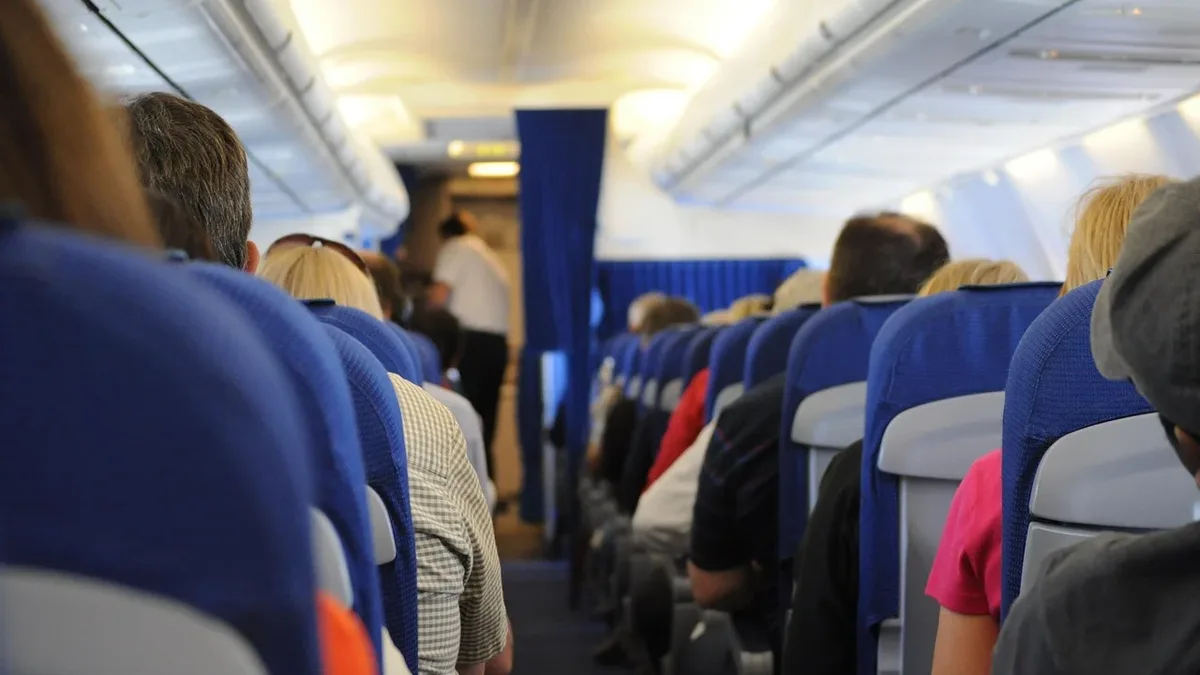
British Airways seat selection fees
British Airways charges passengers to select seats in advance across most cabins, including premium economy and business class, with fees varying by...

Passenger Conceals Knife To Avoid $100 Baggage Fee
A passenger at Madison's airport admitted to deliberately hiding a knife in her carry-on to avoid a checked bag fee, leading to a TSA intervention...

Atmos Rewards Ends Lap Infant Fees on International Awards
The Alaska and Hawaiian Airlines loyalty program now allows passengers to add a lap infant to an international award ticket for only the cost of...
Best credit cards for business travel FX
When business travel expenses are reimbursed, cards with foreign exchange fees can offer bonus rewards. The American Express Preferred Rewards Gold...
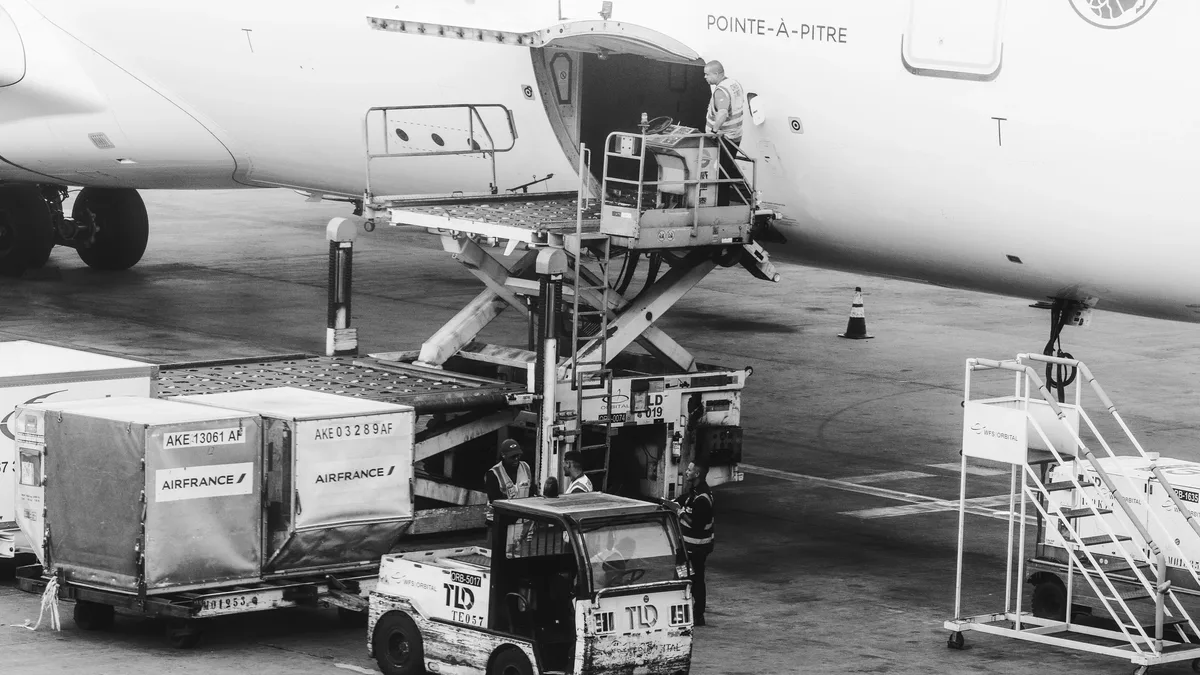
Ground Crew Tasks Before Departure
Ground crews perform coordinated tasks like aircraft inspection, baggage loading, and weight calculation before every flight, following IATA...
Washington Dulles Passenger Fees Could Soar Under $20 Billion Rebuild Plan
A proposed $15.5 billion rebuild project at Washington Dulles International Airport could see passenger fees jump from $12.77 to $90, a 600% increase.