Total Price Vs Headline Fare
Origin and history
The regulatory concept of Total Price versus Headline Fare originated in the European Union in the late 2000s. It was developed as a consumer protection measure within the broader framework of passenger rights for air travel. This concept was formally established alongside regulations that mandated transparency in airline pricing. Its creation was a direct response to widespread industry practices of advertising low base fares while adding mandatory charges later in the booking process. The principle was later adopted and adapted by other jurisdictions, including the United States and Canada, in the following decade. The core intent from its origin was to prevent misleading advertising and ensure consumers could accurately compare the full cost of travel from the initial search.
What it is for
This concept is for ensuring price transparency in the travel industry, particularly for airfares. Its primary function is to compel advertisers, such as airlines and online travel agencies, to display the full, final price a consumer must pay from the first point of display. This includes all unavoidable and mandatory fees, taxes, and charges. The rule is designed to prevent drip pricing, where a low headline fare is shown only for numerous additional costs to be added during the booking process. It allows consumers to make informed comparisons between different travel options based on the actual total cost. The regulation also standardizes price presentation, creating a fairer competitive environment where companies compete on the actual final price, not on a misleading initial figure.
Pros and cons
A major pro is that it empowers consumers with clear, comparable information from the outset, reducing confusion and surprise at checkout. It creates a more honest marketplace and reduces the time wasted on searches for deceptive fares. A significant con is that it can lead to less prominent display of the fare's constituent parts, such as government taxes, which some argue reduces transparency about what the airline actually charges. Airlines and advertisers sometimes regret the rule as it can make their base product appear more expensive than competitors who previously relied on aggressive headline pricing. A common mistake consumers make is assuming the total price includes optional extras like seat selection or checked bags, which it does not, leading to frustration later. Another drawback is that enforcement can be uneven, and some third-party sellers may still attempt to circumvent the rules with pre-selected options that inflate the initial displayed total.
Who it suits
This regulatory principle suits cost-conscious travelers who need to budget accurately and compare offers efficiently. It is particularly beneficial for infrequent flyers or those less familiar with the booking process, who are most vulnerable to drip pricing tactics. It also suits business travelers whose companies require upfront cost certainty for trip approvals. The rule suits consumer protection agencies and regulators by providing a clear legal standard for advertising compliance. It does not suit travel sellers whose business model relied on attracting clicks with unrealistically low headline prices that were not representative of the final cost. Ultimately, it suits any passenger who values transparency and wishes to know the full financial commitment of a ticket before beginning the booking process.
Latest Total Price Vs Headline Fare news
Latest reporting
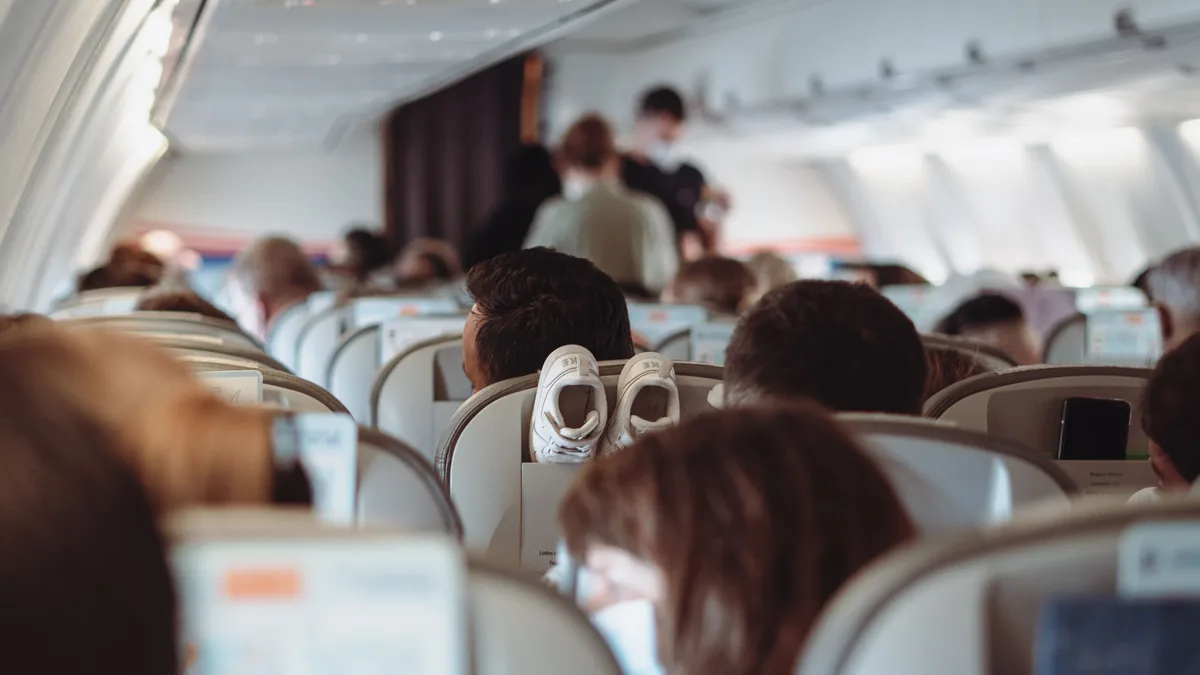
Emirates Operates Over 2,200 First Class Seats, Leading
Emirates has a fleet-wide total of 2,214 first class seats, more than triple the count of its nearest competitor, according to a new analysis.
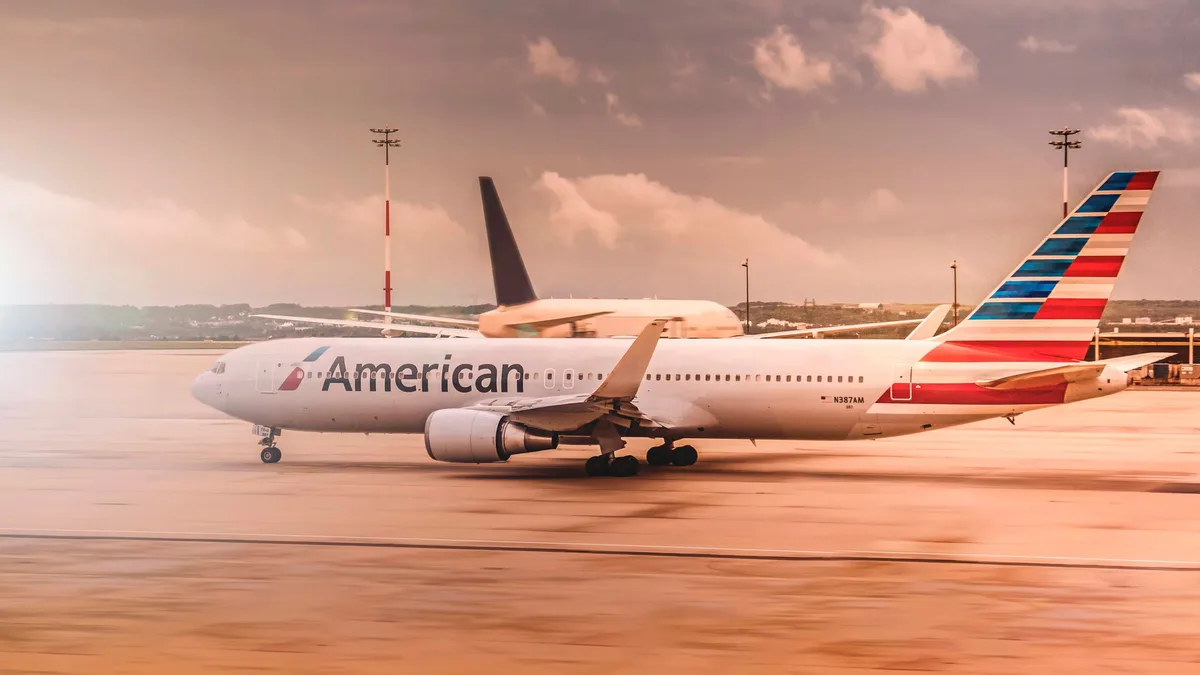
American Airlines Expects 48 New Aircraft Deliveries in 2026
American Airlines is expecting to receive 48 new aircraft in 2026, as part of its ongoing fleet expansion and renewal efforts. The airline has a...
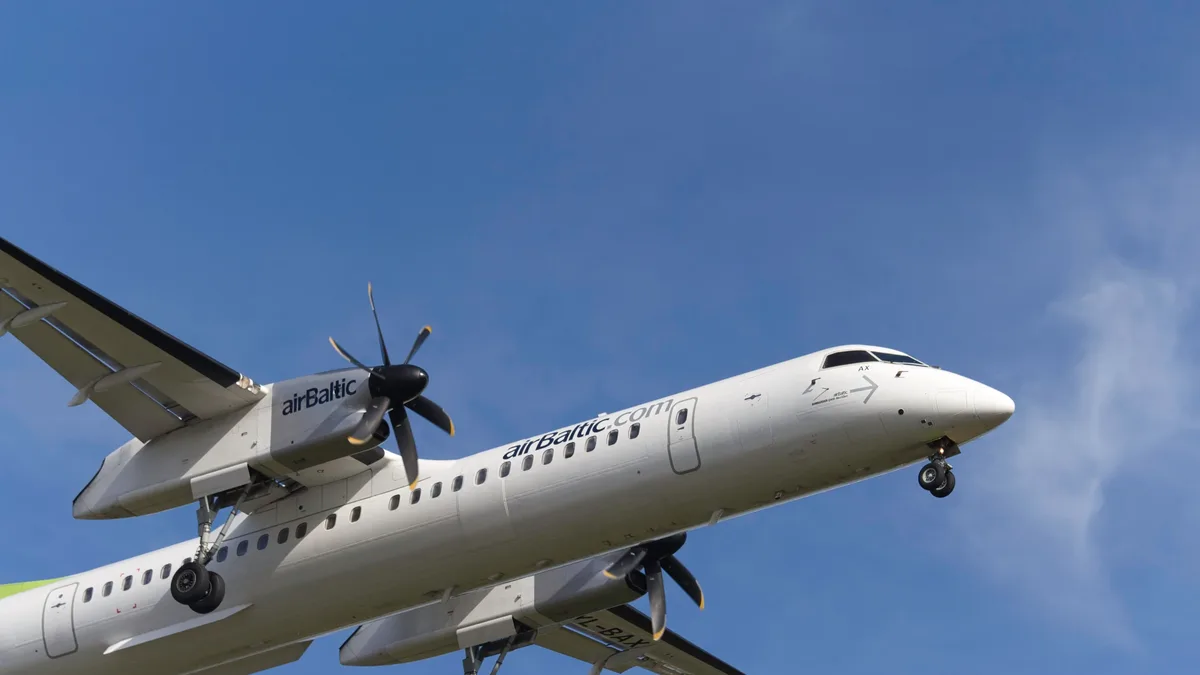
The Cost of Upgrading to Business Class on Transoceanic Flights
Business class fares on transoceanic flights can be extremely high, but there are ways to avoid paying full price, such as paid upgrades, bidding...

US Air Force Invests $19 Billion in Global Mission Hubs
The US Air Force is rebuilding five major bases, with a total investment of $19 billion, to create global mission hubs.