Cambridge Dictionary Adds 'Gate Lice' Term
The slang term 'gate lice,' describing passengers who crowd boarding gates early, was added to the Cambridge Dictionary in 2025.
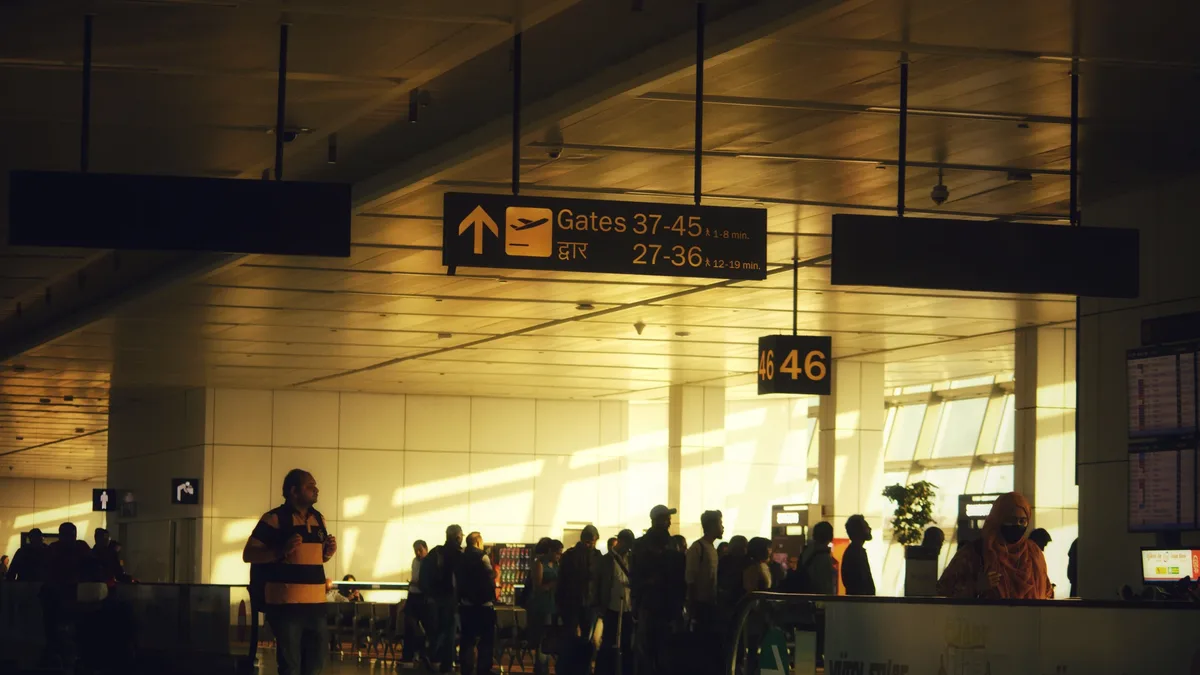
The term 'gate lice' is now an official dictionary entry. Cambridge Dictionary added the derogatory slang in January 2025, defining it as a label for travelers who bunch up near a gate before their boarding group is called.
This behavior creates congestion, making it difficult for passengers with priority to reach the jet bridge. The term is believed to have originated around 2005 on the FlyerTalk frequent flyer forum before spreading among airline staff and travelers.
Why Passengers Crowd the Gate
Passengers crowd gates primarily out of anxiety over limited overhead bin space. The fear is that a late boarder will have their carry-on bag gate-checked into the aircraft's hold. According to the source, this is not about impatience but about protecting personal belongings.
Poor communication from airlines exacerbates the problem. When announcements are unclear, gate screens are hard to see, or queueing systems are confusing, standing near the front feels like the only reliable strategy. An experienced flight attendant quoted in the report admitted to sometimes engaging in the behavior, citing unclear updates and a personal desire to carry on a bag.
Airline Attempts to Solve the Problem
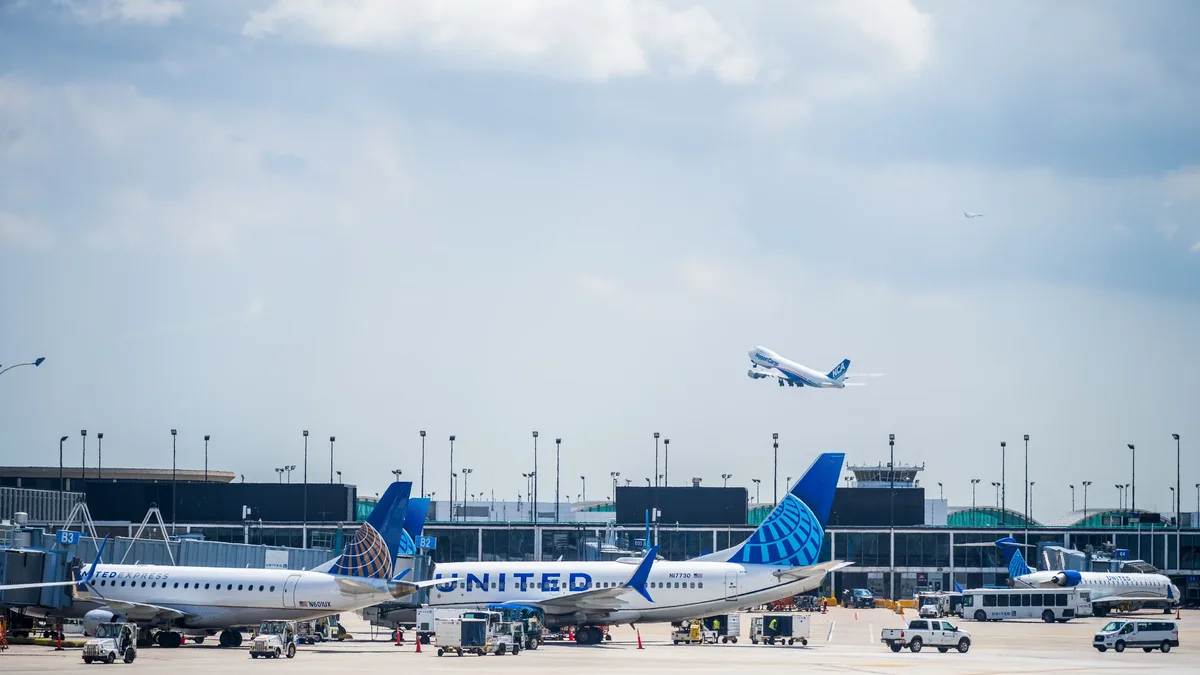
Airlines are deploying technology to manage gate crowding, with two distinct approaches. United Airlines has introduced a 'virtual gate' feature in its mobile app. It provides real-time updates on which boarding group is called and a progress bar showing how many passengers have boarded. The aim is to let passengers stay seated until their turn, addressing the communication issue.
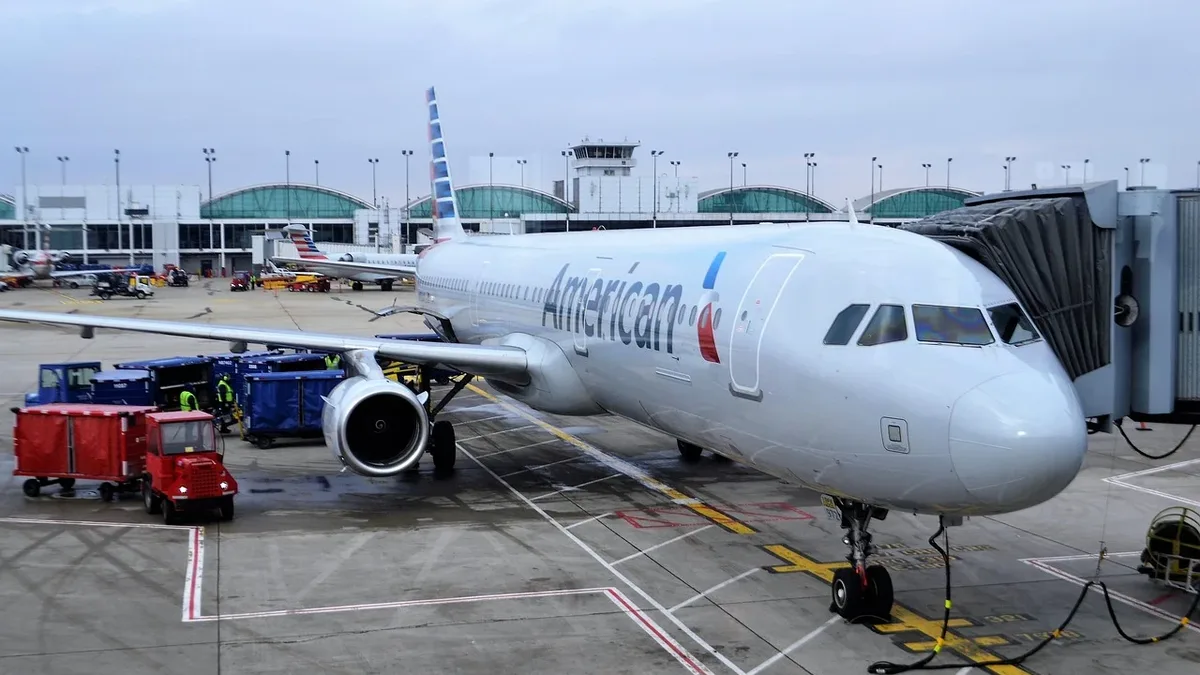
American Airlines has taken a more direct approach. It uses scanning technology at over 100 airports that rejects a boarding pass scanned out of sequence. The system plays an audible tone, publicly identifying the passenger. This method acts as a deterrent by targeting the behavior itself through what the source calls 'public shaming.'
Unresolved Issues and Potential Fixes
Even with new technology, basic airport design remains a problem. The report states most US airports lack sufficient seating near gates for everyone on a full flight. Without a seat, standing near the gate becomes a logical action.
The core driver of the behavior-fear of losing a gate-checked bag-also remains unaddressed. The source suggests that if airlines could guarantee a gate-checked bag would be waiting immediately on arrival, much of the anxiety would fade. Offering a small incentive, like a free drink for volunteering a bag early, could further reduce crowding.
The report highlights the gate lounge model used in airports like Dubai, Doha, and Abu Dhabi. In this system, passengers scan their boarding pass to enter a dedicated lounge with enough seating for the entire flight. This setup allows passengers to wait comfortably and see boarding calls clearly, removing practical reasons to hover by the door. It does not, however, eliminate the desire to board early.
The term's journey from online forum slang to the dictionary highlights a persistent friction point in air travel. While airlines experiment with fixes, the interplay of passenger anxiety, communication failures, and airport infrastructure continues to fuel the phenomenon.